Testimonials
Services
1:1 Call
ASRS Disclosure Mapping Tool


Future Energy Demand Analysis Dashboard 2023-2100
Deep Dive into ESG
Foundations of Climate Risk for Business
Climate Risk & Sustainability: Pathways
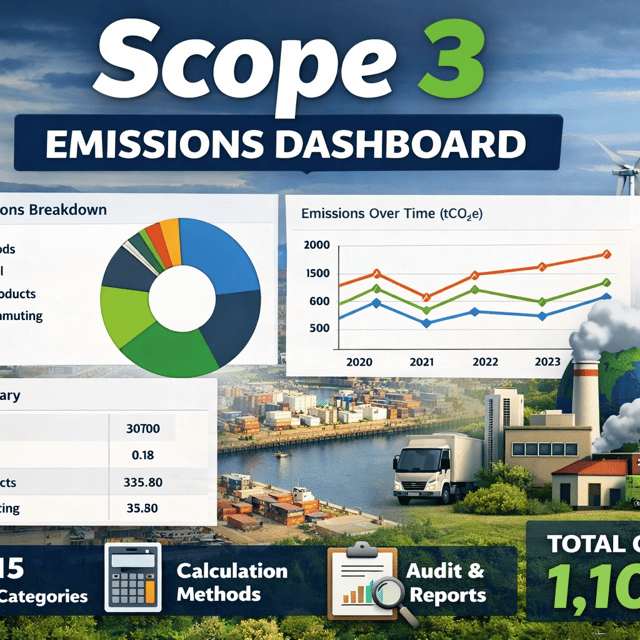
GHG Emission inventory Scope 1-2-3 (In depth)
Climate Career Accelerator Bundle
All-Access Climate Risk Masterclass
Transition Career -Climate,ESG and Sustainability
Understand ESG Fundamentals
Company-Level Climate Scenario Analysis Dashboard
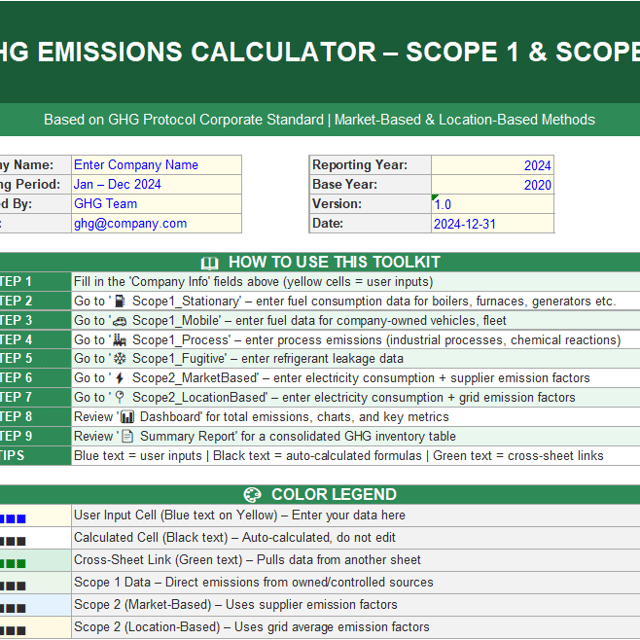
GHG Emission Scope 1&2 Tool Kit
Deep Dive into ESG (IFRS,TCFD,GRI,SASB,SFDR,BRSR)
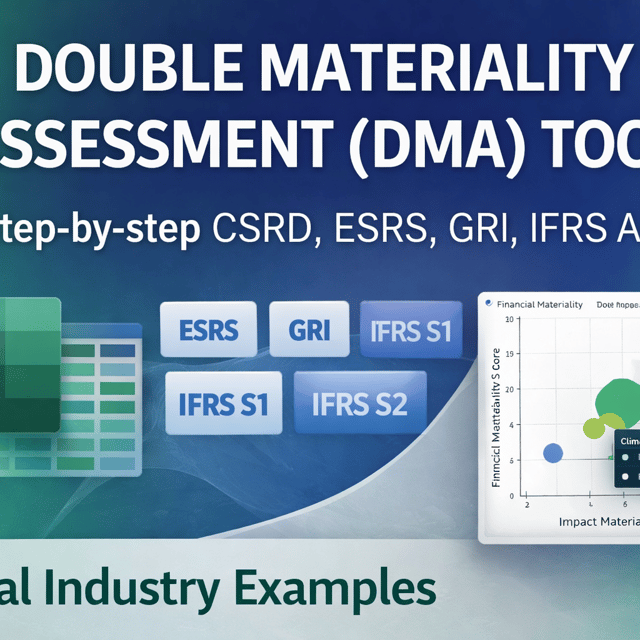
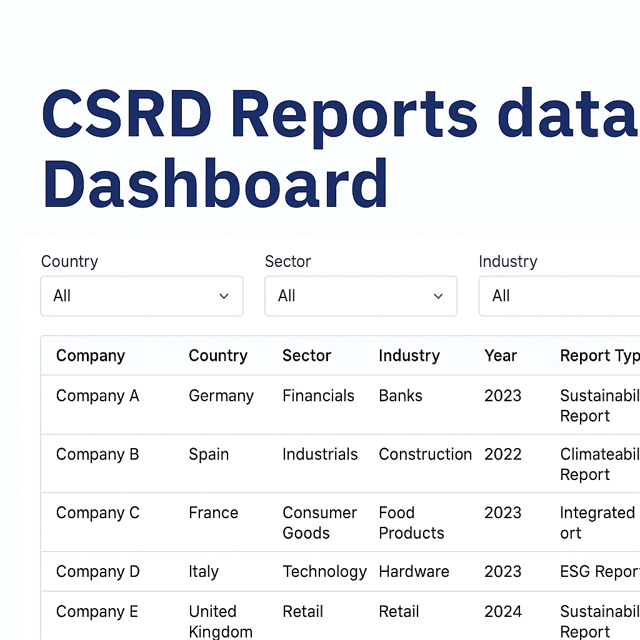
Advanced Climate Reporting: ISSB & TCFD
Foundational Climate Risk Bundle
Climate Risk Assessment & Management Strategies
CV Review
ESG Reporting Framewroks around the World
About me
- Aditi Gupta highly recommends Jay for his exceptional expertise across multiple sectors, noting his vast knowledge and diverse experience make him an invaluable asset to any organization.AI-generated from recommendations on

- Jay Shah is highly regarded for his ESG expertise, insightful guidance, and genuine professionalism. His sessions are interactive and very helpful.
 AI-generated based on testimonials
 - Jay Shah, SCR Certifiedhttps://www.linkedin.com/in/jay-shah-climate/

Frequently asked questions
What is ESG reporting in the UK, and why does it matter?
ESG reporting is the disclosure of a company's environmental, social and governance performance alongside its financial results. In the UK it has moved from voluntary to expected practice: large companies must already report energy and carbon data, listed companies face TCFD-aligned climate disclosure rules, and the UK is moving to standards based on ISSB. Strong ESG reporting helps attract investors, win contracts with larger clients that screen suppliers, and demonstrate regulatory readiness.
What are the ESG reporting requirements in the UK for companies?
It depends on size and listing status. Large companies must report energy use and carbon emissions in their directors' report under Streamlined Energy and Carbon Reporting (SECR) rules, premium-listed companies and large LLPs must disclose climate information consistent with TCFD, and the UK is introducing UK SRS standards based on ISSB. Companies with EU operations may also fall under CSRD. Most SMEs aren't legally required to report yet, but bigger customers increasingly ask for ESG data in procurement.
Which ESG reporting frameworks do UK companies actually use?
The most common are GRI for broad sustainability reporting, SASB and ISSB (IFRS S1/S2) for investor-focused disclosure, TCFD for climate risk, and CDP for supplier and investor questionnaires. UK-listed companies typically follow TCFD-aligned and ISSB-based requirements, while those trading in the EU may need CSRD or SFDR-aligned reporting. Most organisations start with the GHG Protocol for emissions and then map other frameworks on top.
How to make an ESG report for a UK company?
Start by identifying which frameworks apply to you, then run a materiality assessment to find the ESG topics that matter most to your business and stakeholders. Collect data on energy, emissions, workforce, diversity and supply chain, calculate your GHG footprint across Scopes 1, 2 and 3, and structure the report around clear targets and progress metrics. Many first-timers begin by reviewing competitors' reports and using templates or dashboards rather than starting from a blank page.
What is ESG reporting in accounting?
It's the part of ESG disclosure handled by or alongside finance teams — carbon accounting, energy spend and sustainability data that sits close to the financial statements. Because climate disclosures are increasingly connected to audited financial reporting under ISSB-based standards and emerging assurance requirements, accountants are often responsible for data quality, internal controls and reporting lines. That's why ESG skills are now in demand among accountants and auditors, not just sustainability specialists.
How to learn ESG reporting from scratch?
Begin with the fundamentals: the GHG Protocol for emissions accounting, plus an overview of the main frameworks such as GRI, TCFD, ISSB and SASB. Then practise — calculate a carbon footprint for a sample company, download real listed-company reports and study their structure, and take a structured course or masterclass to fill the gaps. Following UK and EU regulatory updates also helps, because requirements change quickly and people who understand the rules are highly valued.
Are ESG reporting courses worth it for changing careers?
They can be, if they teach practical skills rather than just theory. UK employers hiring for sustainability roles typically look for hands-on knowledge of GHG accounting, materiality assessment and reporting frameworks, ideally backed by a recognised credential. A well-chosen course combined with portfolio work — such as a sample ESG report or an emissions inventory — can genuinely help you stand out when you have no direct ESG experience yet.
What qualifications do employers look for in ESG reporting jobs?
There's no single required qualification, but common signals include a relevant degree (environment, finance, engineering, accounting), certifications such as GARP's Sustainability and Climate Risk (SCR), the CFA ESG Certificate or IEMA credentials, and working knowledge of frameworks like GRI, TCFD and ISSB. Data skills matter too, since many roles involve GHG calculations and dashboard-based analysis. Showing real reporting output, even from a course project, usually beats generic claims of passion for sustainability.
What is climate risk management, and what does a climate risk assessment involve?
Climate risk management is the process of identifying, measuring and acting on risks from climate change — physical risks like floods, heatwaves and supply chain disruption, and transition risks like policy changes, carbon pricing and shifting customer expectations. A climate risk assessment is the first step: it maps which assets, operations and markets are exposed, often using scenario analysis, and ranks risks by likelihood and impact. Businesses then build mitigation and adaptation plans and disclose results in a TCFD or ISSB-style structure.
What is climate risk in banking?
It's the financial risk banks face from climate change, split into physical risk (loans secured against properties or businesses exposed to floods and extreme weather) and transition risk (borrowers in carbon-intensive sectors losing value as the economy decarbonises). Banks now run climate stress tests and scenario analysis, measure financed emissions, and disclose climate risk under TCFD/ISSB-style expectations, with regulators such as the Bank of England making this a supervisory priority. This is why climate risk roles in banking are growing fast.
How do I become a climate risk analyst in the UK?
Most people enter from an adjacent field — finance, risk, engineering, environmental science or data analysis — and build climate-specific knowledge on top. Useful steps include learning climate scenario analysis and TCFD/ISSB disclosure, earning a recognised credential such as the GARP SCR, and practising with real data like emissions inventories and physical risk screening. Some analysts later move into advisory work as a climate risk consultant, so the same skill set opens doors on the consulting side too.
How to calculate GHG emissions for a company?
Follow the GHG Protocol approach: define organisational boundaries, then calculate Scope 1 (direct fuel use), Scope 2 (purchased electricity) and Scope 3 (value chain) emissions. The core method is activity data multiplied by emission factors — litres of fuel used, kWh consumed or miles travelled, converted using GHG emissions factors such as the UK Government's annual conversion factors. Scope 3 usually requires supplier data and spend-based estimates, so most companies start with Scopes 1 and 2 and build up from there.
Do I need a GHG emissions calculator for my business?
Not strictly — a spreadsheet with published emission factors works for a simple footprint — but a dedicated GHG emissions calculator saves significant time and reduces errors, especially once Scope 3 is included. Calculators pre-load the right emission factors, handle unit conversions and produce the breakdowns needed for SECR or TCFD-style reporting. If you report annually or operate across multiple sites, a calculator is usually worth it.
What are Scope 3 GHG emissions, and why are they so hard to measure?
Scope 3 covers all indirect emissions across your value chain — purchased goods, business travel, employee commuting, use of sold products and more — and is usually the largest share of a company's footprint. They're difficult to measure because the data sits with suppliers and customers, so companies rely on estimates, industry averages and spend-based methods. With UK expectations increasingly requiring Scope 3 disclosure, building a supplier data collection process early pays off.
How to reduce GHG emissions in a small business?
Start by measuring your footprint so you know where emissions actually come from — for most small businesses, energy use, heating, transport and purchased goods dominate. Then work through the practical levers: switch to renewable electricity, improve energy efficiency, electrify vehicles, cut unnecessary travel and choose lower-carbon suppliers. Setting a credible reduction target and tracking progress annually turns one-off actions into genuine decarbonisation — and gives you usable data when clients ask for your footprint.