Testimonials
Services
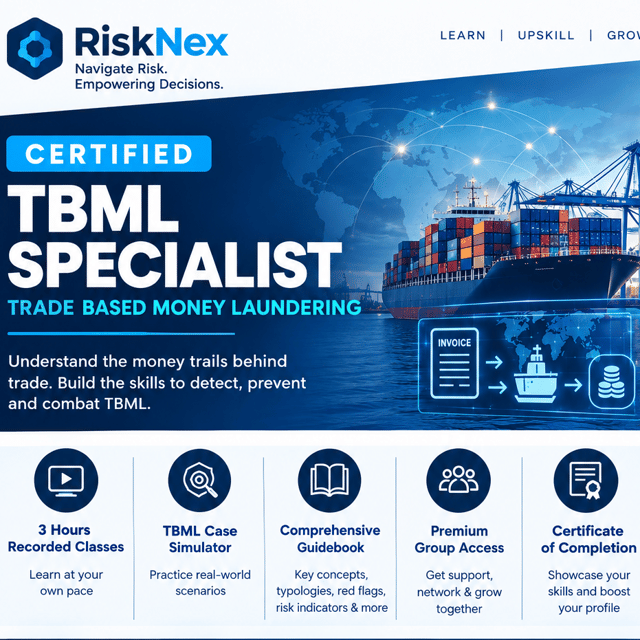
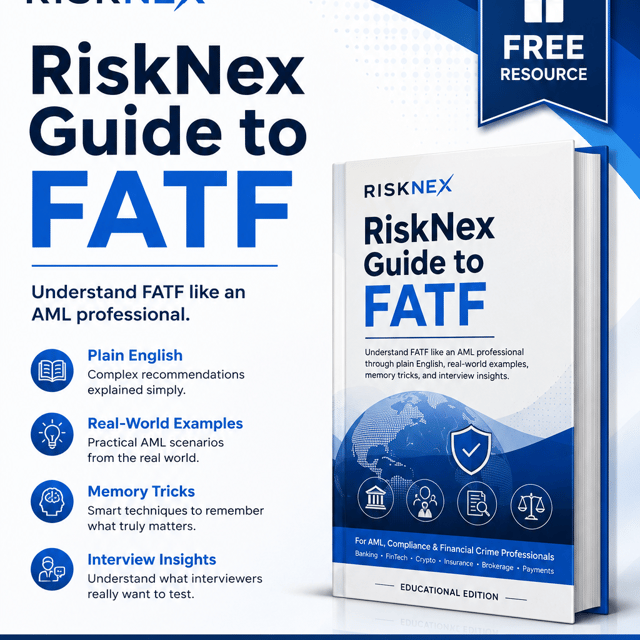
Ultimate Interview Guide - Transaction Monitoring
Uncovering BO/UBO in Private Limited Entities
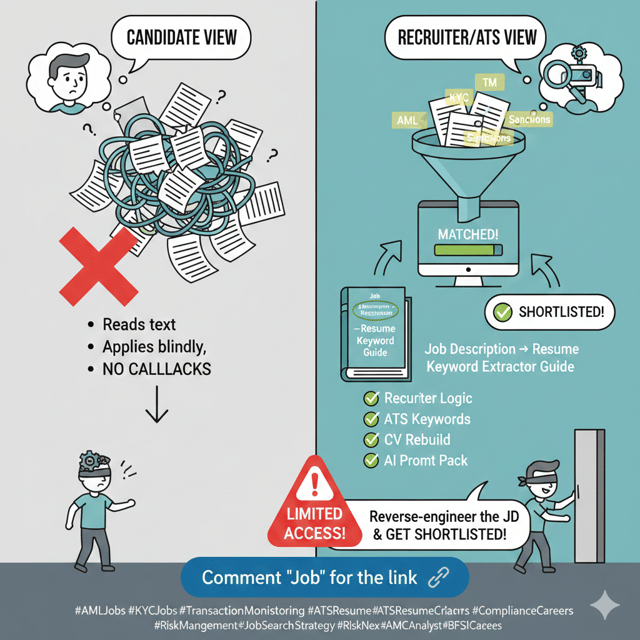
Mastering KYC + ATS compliant CV & Keywords
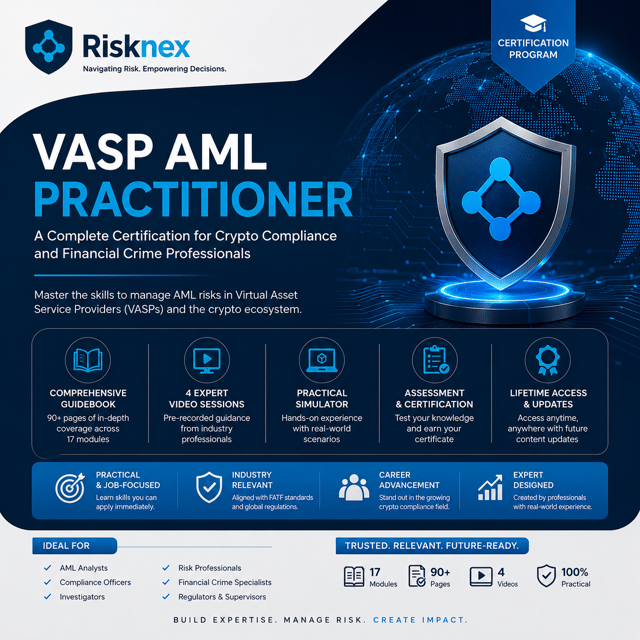

Certified Financial Crime Transactions Specialist
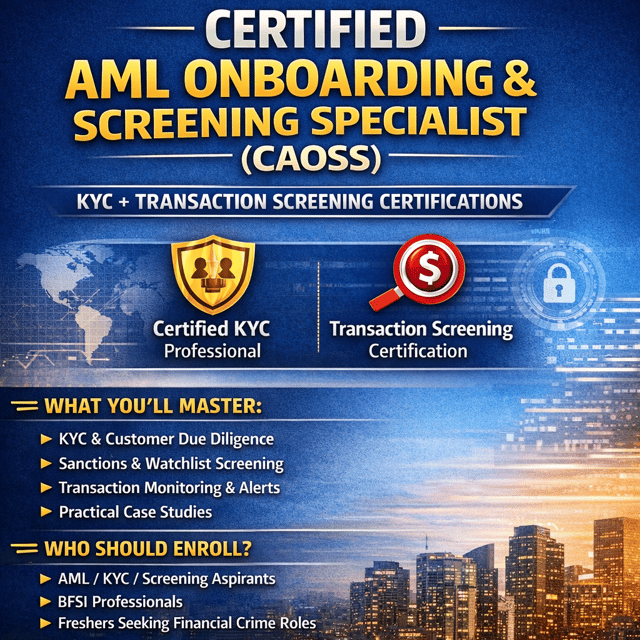
Certified AML Onboarding & Screening Specialist
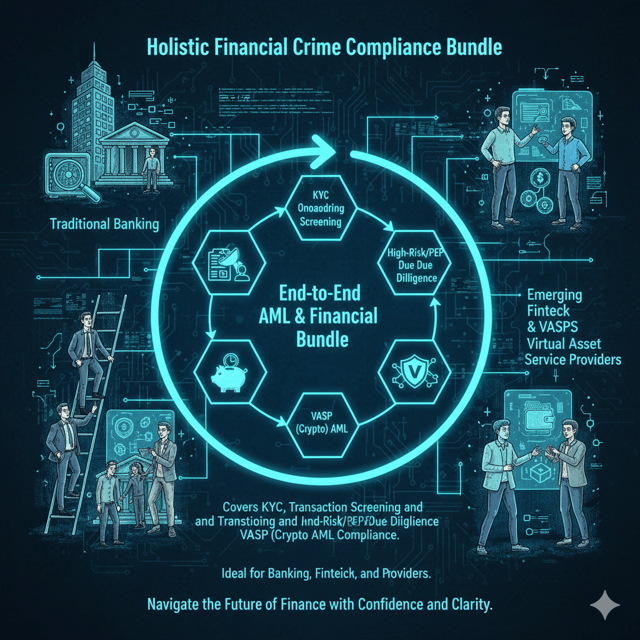
AML Bundle(KYC + AML)
TM+TS+SAR
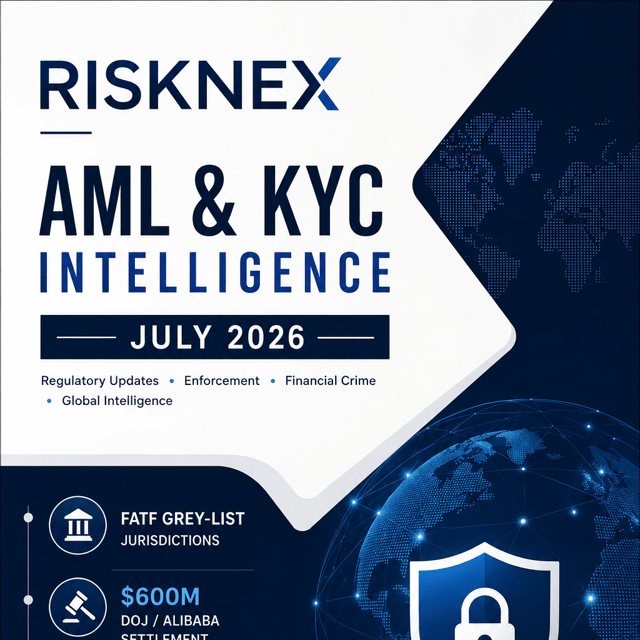
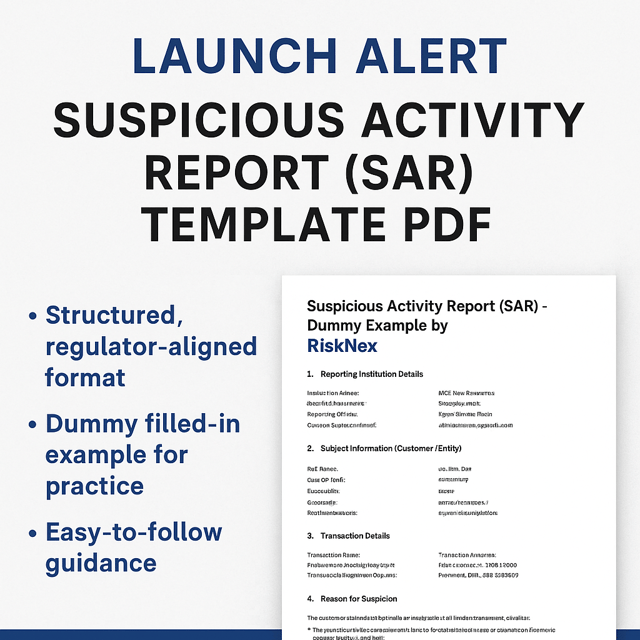

Demystifying Cross-Border Payments (SWIFT Payment)
BO/UBO in Private Limited Entities + ATS CV
Guidance in KYC/AML
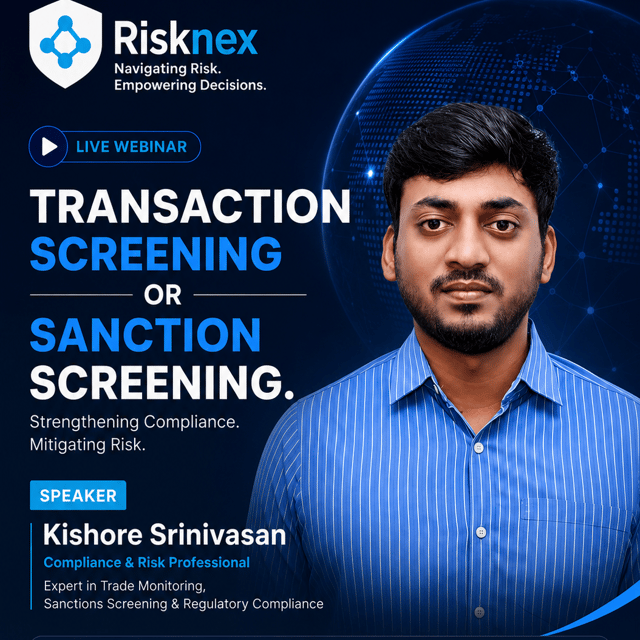
RiskNex Sanction Screening Webinar Recording

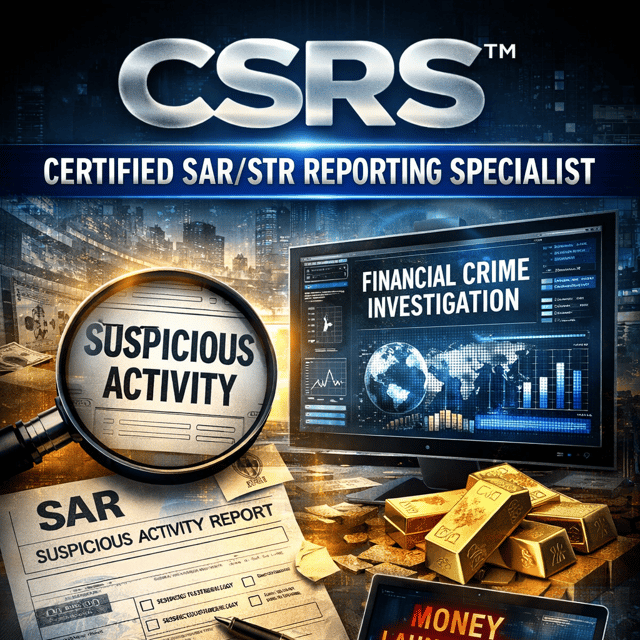
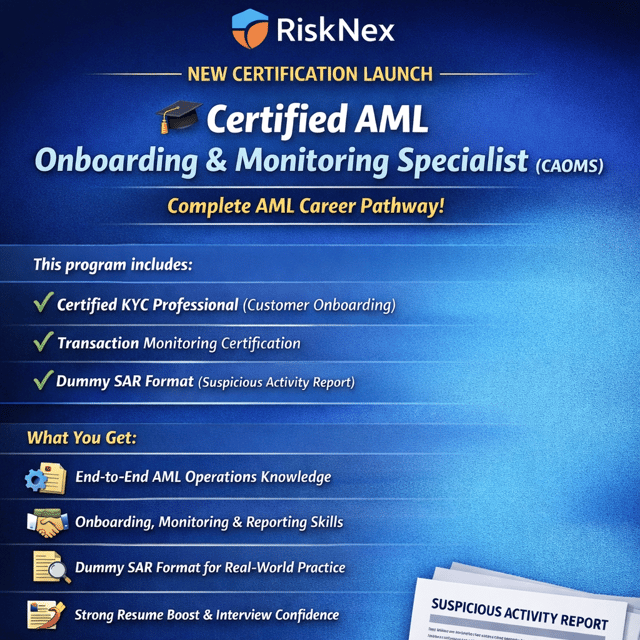
Certified AML Onboarding & Monitoring Specialist
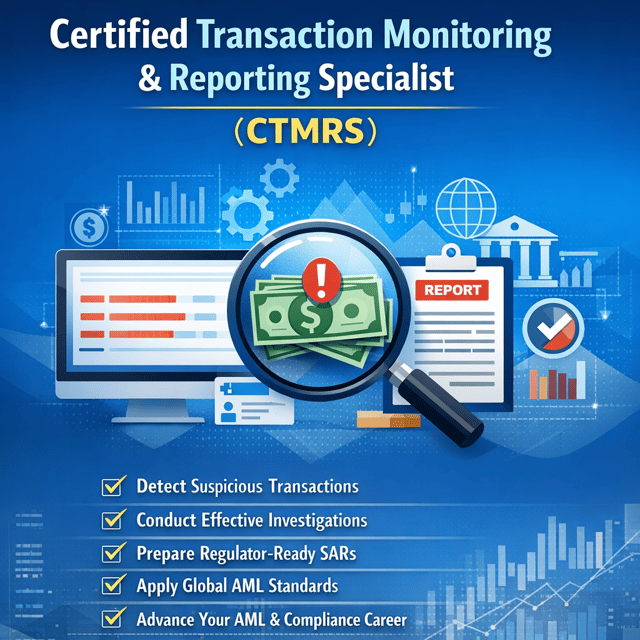
Certified TM & Reporting Specialist (CTMRS)
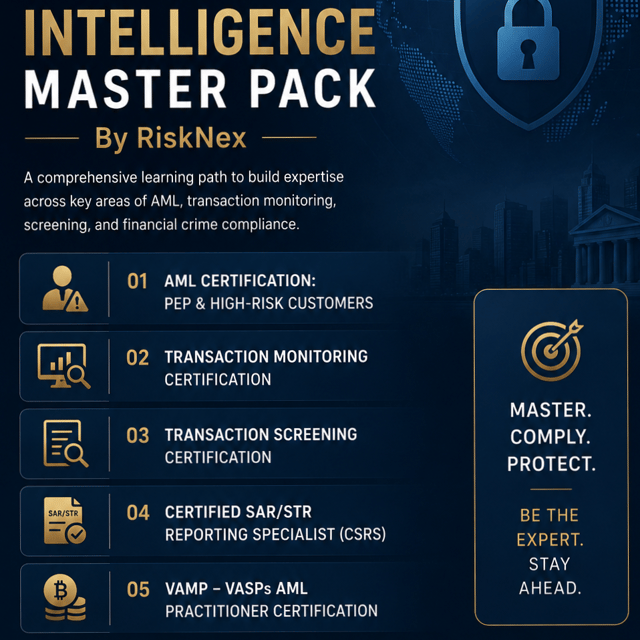
AML Intelligence Master Pack
About me
- RiskNex proved to be a great resource for AML/KYC professionals, helping simplify complex UBO concepts and strengthen understanding of ownership transparency.Recommended by Archita Srivastava on

- Risk nex is praised for comprehensive, insightful resources that boost confidence and enhance KYC/AML skills, making a significant impact on users' careers.
 AI-generated based on testimonials
Frequently asked questions
What is anti money laundering in simple words?
In simple words, anti money laundering (AML) means the set of laws, rules, and processes used to stop criminals from making illegally earned money look legitimate. It covers verifying customers, monitoring their transactions, screening them against sanctions and watchlists, and reporting suspicious activity to regulators. Banks, fintechs, and other regulated businesses must follow AML norms, which is why AML skills are in demand across India's banking and fintech sector.
What is the difference between anti money laundering and know your customer?
Anti money laundering (AML) is the overall framework of laws and controls designed to detect and prevent money laundering and terrorist financing. Know your customer (KYC) is a part of that framework — it is the process of verifying a customer's identity, understanding their risk level, and carrying out due diligence (CDD/EDD) before and during the relationship. In short, KYC is the first line of defence, while AML extends further into transaction monitoring, sanctions screening, and suspicious activity reporting.
What is the anti money laundering act?
The anti money laundering act generally refers to legislation that criminalizes money laundering and places compliance obligations on financial institutions. In India, the principal law is the Prevention of Money Laundering Act, 2002 (PMLA), under which regulated entities must maintain records, report transactions to FIU-IND, and follow KYC requirements, with the Enforcement Directorate handling investigations. Globally, FATF recommendations shape how individual countries frame their own AML laws.
How to get an anti money laundering certificate in India?
Start by building the fundamentals — stages of money laundering, KYC/CDD, sanctions, PEPs, and common red flags. Then choose an anti money laundering certification that matches your goal: globally recognized programs like CAMS or ICA qualifications, or focused, job-oriented certifications in areas such as transaction monitoring, sanctions screening, or PEP and high-risk customers, which freshers and working professionals can complete online. Support it with case-study practice and an ATS-friendly resume so the certification actually converts into interviews.
How can freshers get anti money laundering jobs in India?
Freshers usually enter through roles like KYC analyst, AML analyst, transaction monitoring analyst, or sanctions screening analyst in banks, fintechs, Big 4 firms, and global capability centres. The winning combination is conceptual clarity on AML fundamentals, KYC, and red flags, plus a recognized certification and an ATS-ready resume with the right compliance keywords, since most applications are filtered by software before a recruiter sees them. Operations and onboarding roles are also a common entry point into the domain.
What is the anti money laundering salary in India?
The anti money laundering salary in India depends on your role, employer, and city. Entry-level KYC/AML analysts typically earn around ₹3–5 LPA, professionals with 3–6 years of experience in transaction monitoring or onboarding draw roughly ₹6–12 LPA, and senior or managerial roles in large banks, GCCs, or Big 4 firms can cross ₹15–25 LPA. Specialized skills like sanctions screening, VASP/crypto compliance, and tools such as Power BI can push offers higher.
What are the most common KYC interview questions and answers?
The most frequently asked questions include: What is KYC and why is it needed? What documents are accepted? What is the difference between CDD and EDD? Who is a PEP? What are common KYC red flags? What is the difference between source of funds and source of wealth? Strong answers go beyond definitions — they explain the "why" behind each check and use short real-world scenarios to show how you would act, which is exactly what interviewers assess.
Which topics do KYC interview questions for freshers usually cover?
Since freshers have no work experience to lean on, KYC interview questions for freshers stay focused on concepts: the purpose of KYC, the KYC process steps, documents required, customer types and risk levels, who qualifies as a PEP, and the difference between KYC and AML. Interviewers also check awareness of current red flags and basic regulatory expectations. Preparing crisp, structured answers to these basics usually matters more than knowing advanced topics.
Is a KYC interview questions and answers PDF enough for interview preparation?
A KYC interview questions and answers PDF is enough only if it goes beyond a plain question list. Look for one that includes scenario-based questions, model answers, red-flag examples, and simple frameworks you can reuse, because interviewers increasingly ask "what would you do if..." rather than direct definitions. A well-structured Q&A pack — such as the KYC Interview Q&A offered by RiskNex — combined with a few mock practice sessions builds both clarity and confidence.
What is transaction monitoring in AML?
Transaction monitoring in AML is the ongoing review of customer transactions to identify activity that looks suspicious or inconsistent with a customer's known profile. Typical red flags include structuring (splitting amounts to stay under reporting thresholds), rapid in-and-out transfers, sudden activity in a dormant account, or payments linked to high-risk jurisdictions. When a transaction raises a flag, it becomes an alert that analysts investigate and, if required, escalate as a suspicious transaction report (STR/SAR).
How to do transaction monitoring step by step?
First, understand the customer's risk profile and expected activity. Monitoring rules and thresholds then automatically generate alerts for unusual patterns. Next, review each alert against the customer's profile, past behaviour, and counterparties, investigating further where needed. Close false positives with clear documented reasoning and escalate true positives for STR/SAR filing. Finally, feed outcomes back into rule tuning so the system catches real typologies with fewer false positives over time.
What does a transaction monitoring analyst do?
A transaction monitoring analyst works through daily alerts generated by monitoring systems, investigates flagged transactions, checks them against the customer profile and known money laundering typologies, and documents findings in clear investigation notes. They decide whether an alert is a false positive or needs escalation, support suspicious activity reporting, and often coordinate with screening and onboarding teams. Strong Excel/SQL skills, typology knowledge, and attention to detail are core to the role.
Is a transaction monitoring certification worth it?
Yes — especially for freshers and professionals switching into compliance, because a transaction monitoring certification shows employers you already understand alert handling, typologies, escalation, and reporting before anyone has to train you. It adds concrete keywords that help your resume clear ATS filters and gives interviewers confidence in your practical readiness. The value is highest when the certification includes real case studies and is paired with targeted interview preparation.
What are the most common transaction monitoring interview questions and answers?
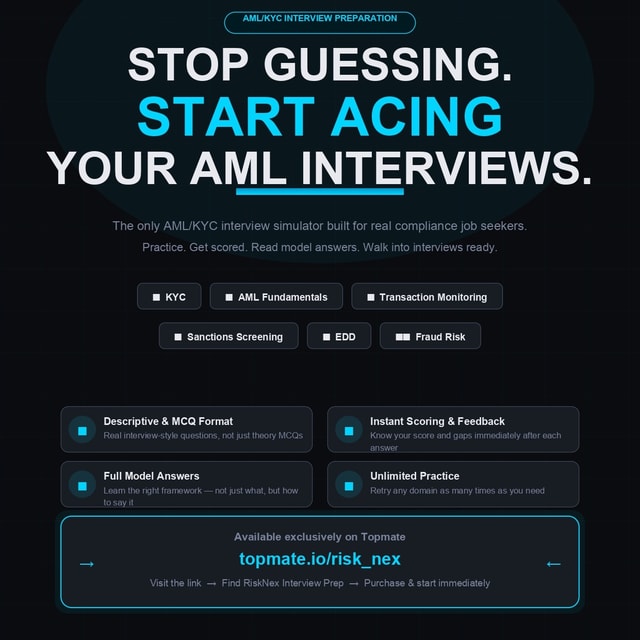
Expect questions on what transaction monitoring is, why false positives occur, how rules and thresholds are set, common typologies like smurfing and layering, when to file an STR/SAR, and scenario-based prompts such as spotting layering in a customer's account. Good answers follow a simple structure — identify the red flag, explain the risk, and describe the action and escalation — instead of reciting textbook definitions. Practising from a dedicated transaction monitoring interview guide makes these patterns second nature.
What skills do I need for transaction monitoring jobs in India?
Employers hiring for transaction monitoring jobs in India look for strong Excel and basic SQL, knowledge of money laundering typologies, alert investigation ability, clear written communication for investigation notes and STR narratives, and awareness of regulatory expectations. Most roles are concentrated in Mumbai, Pune, Bengaluru, Hyderabad, and Gurugram across banks, fintechs, and global capability centres. A relevant certification combined with interview preparation significantly improves shortlisting chances for candidates without prior experience.