Testimonials
Services
Case Interview Guide for MBA and Professionals
Simple yet Effective CV Template
Free Google Course for Beginners
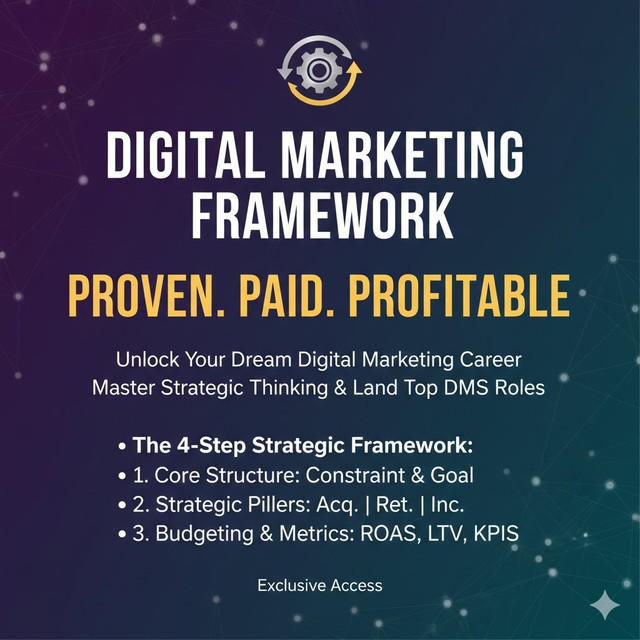
The P.A.I.D. Framework for Digital Strategy
Power Verbs for Resume
Mentoring Session for career guidance
Non-Tech Interview Guidance
Google 2026 Cheat Sheet for Non-Tech Interviews

The Modern AI Marketing Playbook
Ask me anything
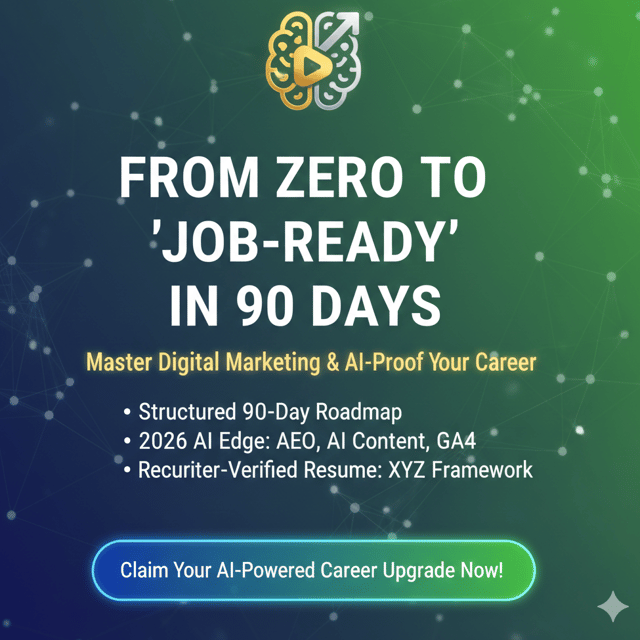
90 Days Digital Marketing Launchpad
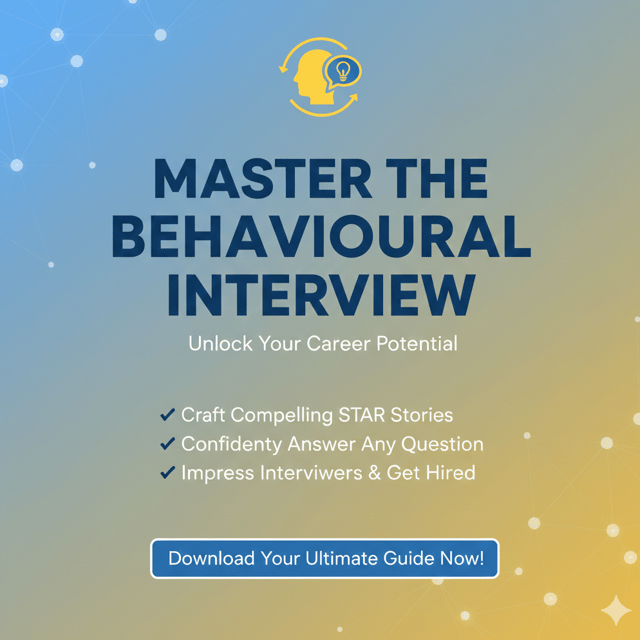
Behavioral Interview Preparation Guide
2026 AI-Survival Skill Checklist
CV Review and Mock Interview
Session on CV Review
About me
- Neha Sharma – Mediumhttps://medium.com/@nehaanoop

Frequently asked questions
What is digital marketing in simple words?
Digital marketing is simply promoting a brand, product, or service through digital channels like Google search, social media, email, and websites instead of traditional media like print or TV. It covers areas such as SEO, paid ads, content, social media, and analytics. Since almost every brand in India now spends heavily online, demand for people who understand these skills keeps growing.
What is a digital marketing course, and does it really help you get a job?
A digital marketing course teaches the core skills employers look for — SEO, Google Ads, social media marketing, content strategy, email marketing, and analytics. A certificate alone won't get you hired, but when a course is paired with hands-on projects, real campaign practice, or a portfolio, it makes your profile far more credible, especially for fresher and career-switch roles.
How to do a digital marketing course from scratch with no marketing background?
Start with a beginner-friendly course that covers the fundamentals — SEO, paid ads, social media, and analytics — before moving into a specialisation. Alongside the course, build small proof of work: a blog, a sample ad campaign, or a social page you grow yourself. Studying 45–60 minutes daily with consistent practice makes most career switchers job-ready in around three months.
How to do a digital marketing course for free?
There are credible free options to build your foundation. Google offers free beginner courses covering digital marketing, analytics, and ads basics, and platforms like Google Analytics certification, HubSpot Academy, and Meta Blueprint are also free. Use these to learn the fundamentals, and invest in paid mentorship or a structured programme only when you need personalised feedback and career direction.
How do I get digital marketing jobs with no experience?
Focus on three things: demonstrable skills, proof of work, and positioning. Build a small portfolio — a blog, a social page you grew, or sample campaigns — back it with free certifications from Google or HubSpot, and tailor your CV to each job description with the right keywords. Applying to internships and agency or e-commerce executive roles, along with LinkedIn outreach and referrals, significantly improves callback rates in India's job market.
What should interview preparation for freshers include?
Freshers should prepare across four areas: company and role research, core subject knowledge, structured storytelling using the STAR method, and mock practice. For marketing roles specifically, be ready to discuss a campaign you admire, basic metrics like CTR, ROAS, and conversions, and why you want that specific role. Doing at least two or three mock interviews before the real one makes a noticeable difference.
How to answer interview questions without sounding rehearsed?
Use a structure, not a script. Prepare a few flexible stories covering the situation, your actions, and the measurable result, then adapt them naturally to whatever is asked. Speak conversationally, pause to think before answering, and honestly acknowledge what you would do differently. Interviewers spot memorised answers quickly — clear structure plus genuine reflection is what actually impresses them.
Where can I find interview questions and answers for digital marketing roles?
Search for interview questions and answers by the exact role — SEO executive, performance marketer, social media manager — instead of relying on generic lists, and check company-specific question banks on platforms like Glassdoor and AmbitionBox. For marketing interviews, expect scenario and metric-based questions around funnels, ROAS, and campaign optimisation. Practise answering aloud rather than only reading, so the structure sticks.
Which interview tips matter the most for marketing interviews?
The highest-impact interview tips for marketing roles: research the company's recent campaigns and bring specific observations, back every answer with numbers such as growth percentage or engagement, keep work samples ready to share, and ask smart questions about their audience and funnel. For virtual interviews, test your camera, audio, and background in advance, since first impressions in most hiring processes now happen on a video call.
Is an interview preparation course worth it, or can I prepare on my own?
If you are disciplined, self-preparation with question banks, free resources, and peer mocks can be enough. A structured course or mentor helps when you keep getting rejected at the same stage, don't know what's going wrong in your answers, or are targeting competitive companies. The real value of paid preparation is personalised feedback — an expert can spot weak storytelling, gaps in marketing fundamentals, and confidence issues that self-practice misses.
Is an AI tool for interview preparation better than a mock interview with a real person?
They solve different problems. An AI tool for interview preparation is excellent for repetition — practising common questions, tightening your structure, and getting instant feedback anytime. But a human mock interviewer catches what AI often misses: your tone, nervousness, whether your examples actually land, and role-specific depth, which matters a lot in marketing interviews. The strongest approach is AI for daily practice plus one or two mock interviews with an experienced mentor before the actual round.
How to review a CV yourself before applying for jobs?
Check four things in order: relevance, evidence, formatting, and keywords. Every line should connect to the job you want, duties should be rewritten as achievements with numbers, and the format should be a clean single-column layout that passes ATS scanners. Mirror keywords from the job description, keep it to one or two pages, then ask a friend to read it for five minutes — if they can't tell what you're great at, rewrite it.
How to review a CV with AI without losing the human touch?
Use AI as an editor, not a writer. Paste the job description along with your CV and ask it to flag missing metrics, weak verbs, formatting issues, and keyword mismatches — then rewrite the lines yourself in your own voice. Recruiters can often spot fully AI-generated CVs, and generic phrasing weakens your profile. A good workflow is AI feedback for structure, followed by a human review from a mentor or industry friend for final impact.
Is a free CV review actually useful, or just generic advice?
It depends on who or what is reviewing. Automated tools and free CV review options will catch formatting problems, missing sections, and keyword gaps — useful for a first cleanup — but they can't judge whether your achievements are framed convincingly for your target role. A smart approach is to start with a free review to fix the basics, then get one detailed expert review before applying to important roles.
When should you use a CV review service instead of free tools?
Use a professional CV review service when the stakes are high — switching careers, applying to a competitive company, or reapplying after multiple rejections despite solid experience. Free tools fix formatting; an expert fixes positioning, narrative, and relevance to the role you're targeting. A good reviewer also explains why each change matters, so you can maintain and update the CV yourself afterwards.