Testimonials
Services
You got a question for me?
Questions??
Priority DM
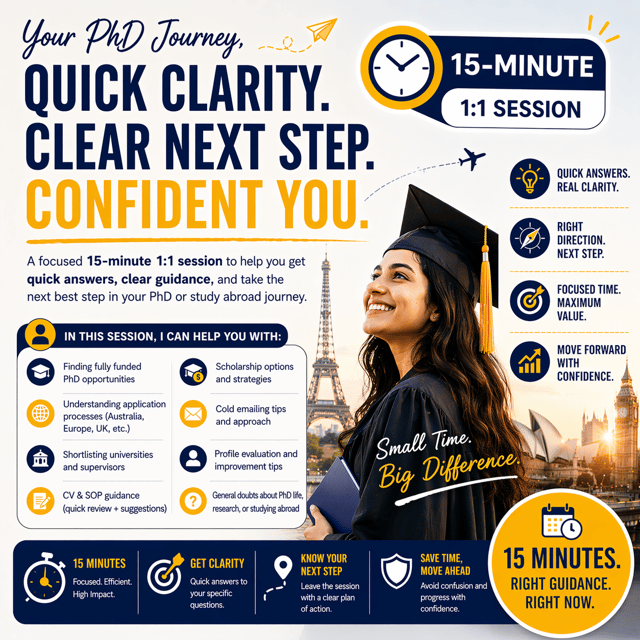


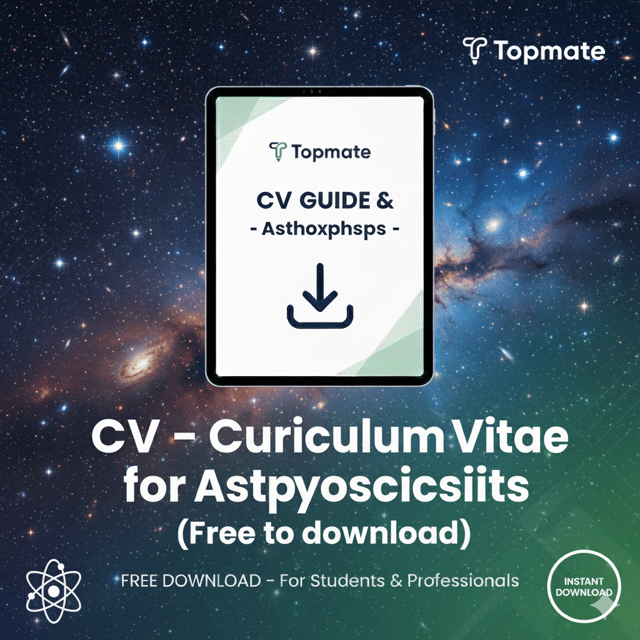

Webinar - Want do a PhD, don't know where to start
Cover letter(Monash) _ Afnas***
Got a question for me?


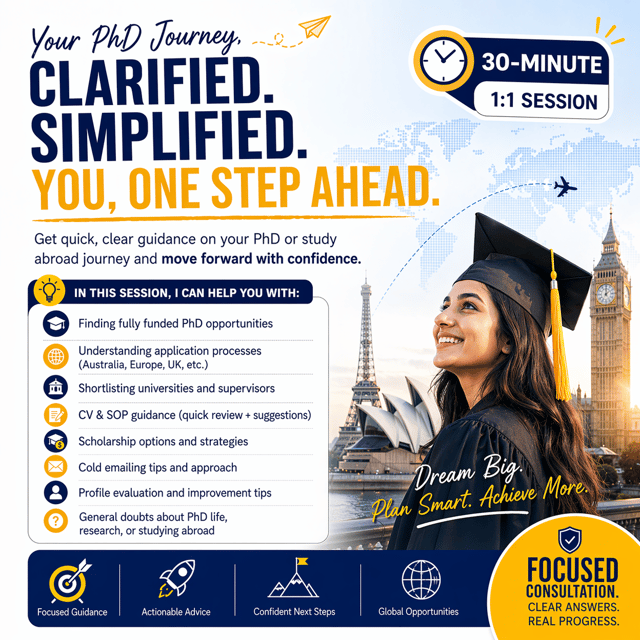
About me
Frequently asked questions
How to get a PhD scholarship in Australia?
Start by shortlisting universities and supervisors whose research matches your interests, because in Australia a supervisor's support usually comes before a formal application. Most PhD scholarships in Australia fall into three categories: government-funded Research Training Program (RTP) scholarships, university-funded scholarships, and project-based positions funded by research grants. Prepare a strong research proposal, academic CV, and statement of purpose, and apply 8–12 months before your intended start date.
Are there PhD scholarships in Australia for international students?
Yes. International students can apply for RTP scholarships at most Australian universities, along with university-funded awards and government schemes such as Australia Awards. Competition is strong, so a high-grade academic record, research experience or publications, and a well-written proposal make a significant difference.
Are there PhD scholarships in Australia for domestic students?
Yes. Domestic students are eligible for RTP scholarships, which typically cover tuition and include a tax-free living stipend, plus faculty-level and industry-funded scholarships. Domestic applicants also often have access to extra pathways, such as PhD projects funded through industry partnerships or research grants.
How do I find PhD scholarships in Melbourne?
Check the scholarship pages of Melbourne universities such as the University of Melbourne, Monash University, RMIT, La Trobe, and Swinburne, as each lists its own funding rounds and deadlines. Also email potential supervisors directly, because many PhD scholarships in Melbourne are attached to funded projects and are never widely advertised.
Is it hard to get a PhD scholarship?
It is competitive, but far from impossible. Selection usually depends on your academic record (often first-class honours or a master's with a research component), research experience, publications if any, and the quality of your proposal and statement of purpose. Applying to multiple universities and securing a supervisor's support first significantly improves your chances.
How much is a PhD scholarship?
In Australia, the standard full-time PhD stipend is roughly $30,000–$33,000 a year, paid tax-free, on top of tuition fee coverage. Exact amounts vary between universities, and some faculties or funded projects offer top-ups above the base rate.
What is a PhD fellowship?
A PhD fellowship is a funding award that supports a doctoral researcher, usually tied to a specific project, research group, or topic. In Australia the term "scholarship" is far more common for PhD funding, while "fellowship" is used more in the US and Europe and for postdoctoral research, though funded fellowship-style positions do exist on grant-funded projects.
What does a fully funded PhD mean?
A fully funded PhD means your tuition fees are paid and you receive a living stipend, so you can complete your degree without paying out of pocket. A fully funded PhD in Australia usually comes through an RTP or university scholarship, which combines a tuition fee offset or exemption with a tax-free stipend of roughly $30,000–$33,000 a year.
Is there a fully funded PhD in Australia for international students?
Yes. Many Australian universities offer fully funded positions to international students through international RTP awards, fee-offset-plus-stipend scholarships, and funded project positions advertised by supervisors. These are highly competitive, so apply early, contact supervisors in advance, and tailor every application to the specific university and project.
How to find fully funded PhD programs?
Search university scholarship pages and dedicated PhD listing websites, follow research groups in your field, and look for advertised project positions where funding is already secured. Emailing potential supervisors is one of the most effective routes, because many funded positions are filled before they are broadly advertised.
What is a statement of purpose for a PhD?
It is a document that explains your motivation for doctoral study, your academic and research background, the research area you want to pursue, and why you are a strong fit for the program and supervisor. Unlike a coursework application, a PhD statement of purpose is expected to demonstrate research potential and a clear research direction.
How to write a statement of purpose?
Structure it around four elements: your motivation for the field, your academic background and key achievements, relevant research or work experience, and why this specific program fits your goals. Keep it to one or two pages, use specific examples instead of vague claims, and tailor every version to the university and supervisor you are applying to.
What is the ideal statement of purpose format?
Most universities expect one to two pages, roughly 500–1,000 words, written in clear paragraphs: an opening stating your motivation, a section on your academic and research background, a section on why this program and supervisor, and a short conclusion on your goals. Always check the university's guidelines first, because some specify word limits or questions they want addressed.
Where can I find statement of purpose examples?
Look at university writing centre pages, graduate school applicant guides, and sample statements published by departments, which show how successful applicants structure motivation, background, and fit. Use examples to learn structure and tone only — never copy content, since admissions committees easily recognise generic or borrowed statements.
Should I use a statement of purpose template?
A template is useful for structure because it shows you which sections to include and in what order, but the content must be entirely your own. Treat the template as a skeleton, fill it with your specific experiences and goals, and adapt it for each application rather than submitting the same text everywhere.