Testimonials
Services
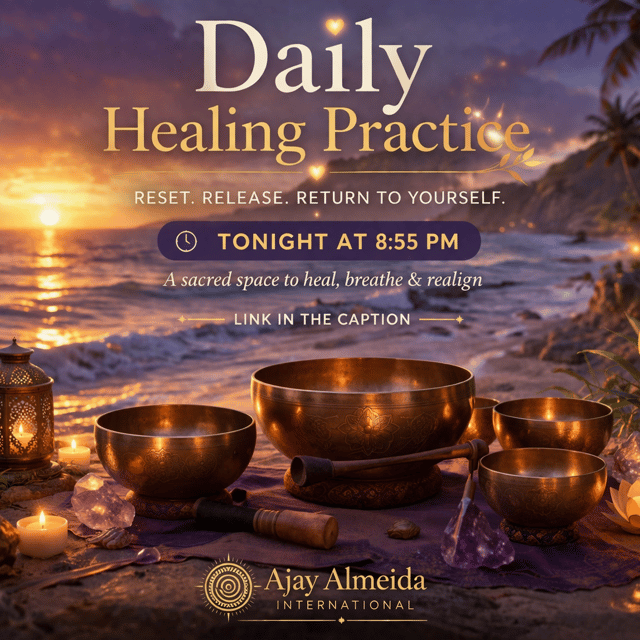

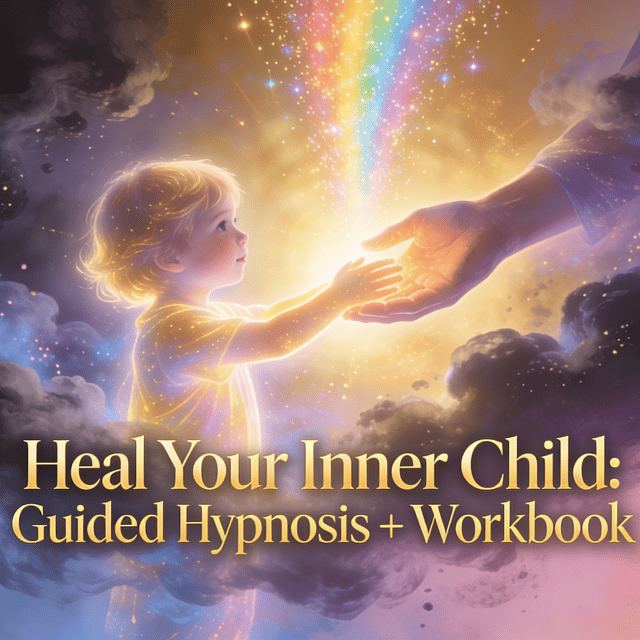
Daily 20 Minute Inner Child Healing and Cleansing
The Deep Boundary Assessment
The Boundary Masterclass
Healing Intergenerational Trauma
Transformation Call
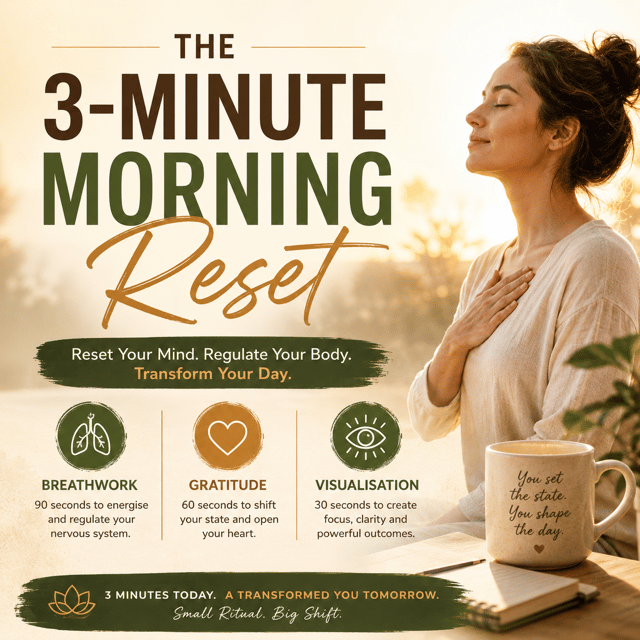
The 3 Minute Morning Priming Practice
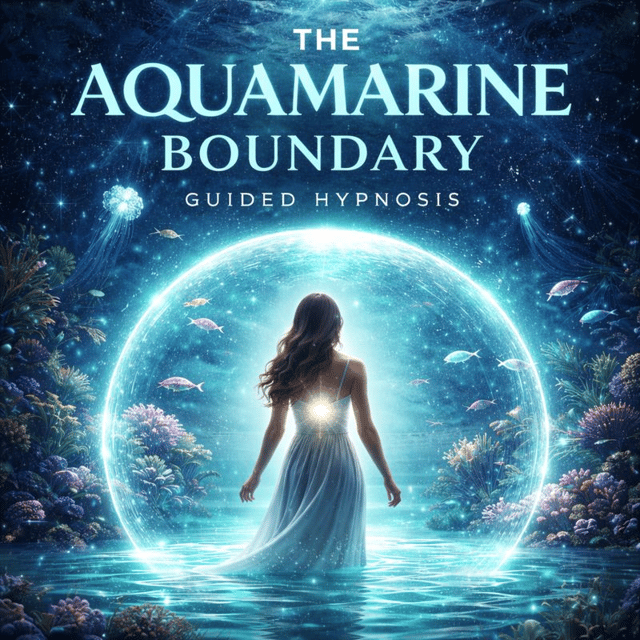
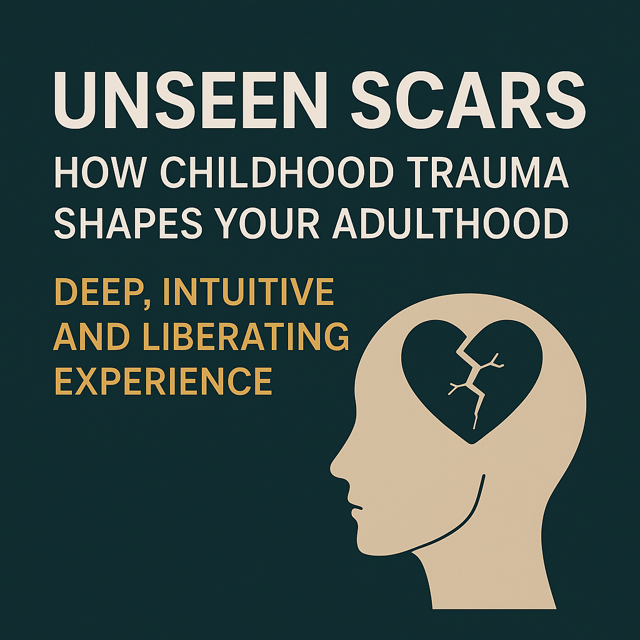
The Ultimate Childhood Trauma Masterclass
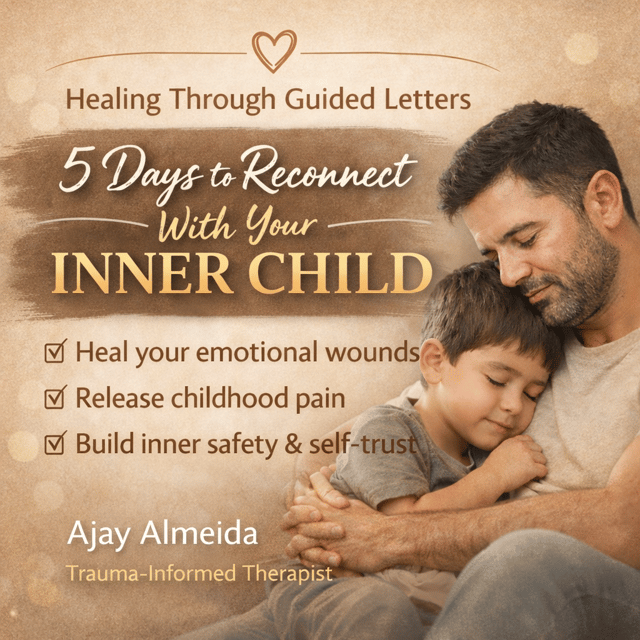
The Inner Child Connect Challenge [ 5 days ]
About me
- Read Psychologically Rich and Transformative Article herehttps://ajayalmeida.medium.com/

Frequently asked questions
What is nervous system regulation?
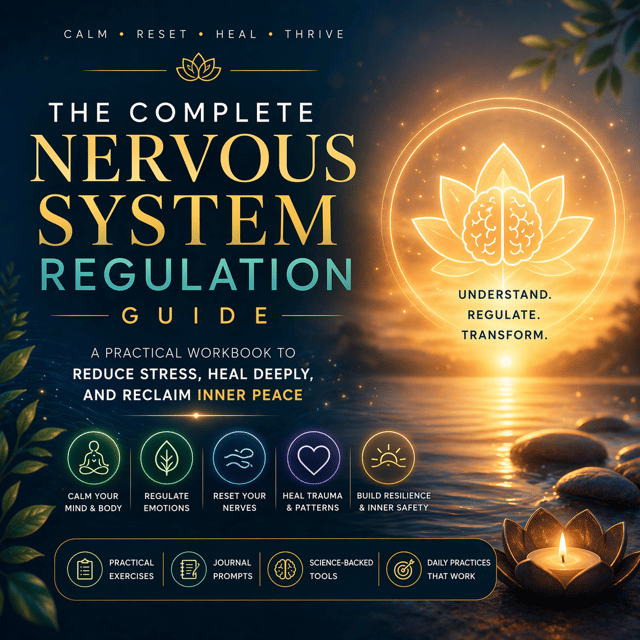
Nervous system regulation is your body's ability to move out of survival states — fight, flight, freeze or fawn — and return to a calm, settled state where you can think clearly and respond instead of react. When your nervous system is dysregulated, you may feel constantly on edge, overthink everything, struggle to sleep, people-please, or feel exhausted no matter how much you rest. Regulation is not about forcing positivity; it is about teaching your body, through repeated signals of safety, that it no longer needs to live in survival mode.
What are the most effective nervous system regulation techniques?
The most reliable nervous system regulation techniques work through the body rather than the mind: lengthening your exhale (inhale for 4 counts, exhale for 8), the physiological sigh (two short inhales through the nose followed by one long exhale), grounding through your five senses, gently shaking out the body, splashing cold water on your face, and humming to stimulate the vagus nerve. These nervous system regulation exercises take only a few minutes and work best when practised daily — not only during stressful moments — because consistency is what shifts your baseline out of survival mode.
How can I improve nervous system regulation in the long term?
If you are wondering how to improve nervous system regulation for the long term, think in terms of daily rhythm rather than emergency fixes: consistent sleep and wake times, a short morning priming practice, regular movement, deliberate pauses between work blocks, and boundaries that stop chronic over-commitment. Because long-term dysregulation is often rooted in unprocessed stress or childhood patterns, lasting change usually requires structured support — guided regulation practices, trauma-informed psychotherapy, or a combination of both — rather than an occasional breathing exercise.
What is nervous system regulation therapy and who is it for?
Nervous system regulation therapy is an approach that works directly with the body's stress response instead of only addressing problems at the mindset level. Using somatic and trauma-informed methods, a therapist helps you notice where you hold survival stress — shallow breathing, tension, numbness, restlessness — and gradually teaches your system to release it. It is especially helpful for people dealing with chronic anxiety, burnout, people-pleasing, perfectionism or unresolved trauma, particularly those who have tried logic and productivity tools but still feel unsafe in their own body.
What does a nervous system regulation coach do, and how is coaching different from therapy?
A nervous system regulation coach helps you understand your personal stress responses and build a practical daily routine — breathing tools, grounding practices, boundary habits and recovery rituals — so your body stops defaulting to fight-or-flight. Coaching focuses on psychoeducation, structure and accountability, while psychotherapy goes deeper into healing root causes such as trauma, grief or childhood wounds. Many people benefit from both: coaching for day-to-day regulation skills and therapy for the deeper emotional patterns underneath.
Is a nervous system regulation course worth it, or is reading about it enough?
Reading creates awareness, but a structured nervous system regulation course gives you a sequence — what to do, in what order, and how to progress — which is what actually retrains your body's default state. Look for a course that explains the stages of the nervous system, includes short daily guided practices, and helps you recognise your own early warning signs of dysregulation. If your symptoms are connected to significant trauma, choose a course created by a trained psychotherapist, or combine it with 1:1 sessions for safety and depth.
How do I start inner child healing if I don't know where to begin?
If you are unsure how to do inner child healing, start by noticing your strongest emotional reactions — sudden anger, fear of rejection, people-pleasing — and asking which younger version of you first learned them. Simple inner child healing techniques include writing a letter to your younger self, looking at childhood photos with compassion, naming the feeling you needed back then, and offering yourself that safety now through a short daily ritual. Begin gently and consistently; the goal is to build trust with that part of you, not to force a dramatic breakthrough in one sitting.
What is inner child healing therapy?
Inner child healing therapy is a therapeutic approach that connects your present-day struggles — overthinking, low self-worth, fear of abandonment, perfectionism — to unmet emotional needs from childhood. Rather than only managing symptoms, you learn to identify the beliefs you formed as a child, grieve what you did not receive, and give yourself the validation and safety that were missing. It is commonly sought by successful adults whose anxiety, self-doubt or relationship patterns feel far bigger than their current circumstances can explain.
Is an inner child healing course enough, or do I need a therapist?
A guided inner child healing course or challenge can be a strong starting point when your wounds are mild to moderate, because it gives you daily practices, scripts and a safe structure for self-exploration. However, if the work brings up intense grief, panic, memories of abuse or neglect, or leaves you feeling flooded rather than soothed, that is a clear sign to involve a trained psychotherapist alongside the course. Many people begin with a self-paced course and later add 1:1 sessions to work through the deeper layers.
How to set boundaries in a relationship without hurting the other person?
Learning how to set boundaries in a relationship starts with a mindset shift: a boundary is not a rejection of the other person, it is clarity about what you need in order to stay in the relationship. State the limit calmly and specifically — for example, "I need us to stop discussing this when we are both angry" — pair it with what you can offer instead, and follow through consistently when the line is crossed. Some discomfort or pushback in the beginning is normal; a healthy relationship adjusts to a respectful boundary, while one that survived only on your self-abandonment will resist it.
How to set boundaries with a narcissist?
Setting limits with a narcissistic person requires a different strategy from a normal relationship, because your explanations and emotions are often used against you. Keep communication brief and neutral, avoid justifying, arguing, defending or over-explaining your decisions, state the consequence of crossing the line calmly, and enforce it every single time instead of giving repeated chances. Scripting your replies in advance and reducing unnecessary contact helps; because these dynamics are emotionally draining, many people also work with a trauma-informed therapist while practising ready-made boundary scripts.
How to set boundaries at work when you are a high performer?
For ambitious professionals, the hardest boundary at work is usually not with the boss but with your own fear of disappointing people. Communicate your capacity honestly — "I can take this on if we move X to next week" — define your availability, such as no replies after a fixed hour, replace an instant yes with "let me check and revert by tomorrow", and stop volunteering by default. Protecting recovery time is not laziness; it is what keeps your performance sustainable instead of quietly pushing you toward burnout.
What is the meaning of setting boundaries?
The real meaning of setting boundaries is deciding what behaviour you will accept from others and what you will do to protect your own wellbeing when those limits are crossed. A boundary is not about controlling other people — it is about your own actions: what you allow, what you walk away from, and what you no longer over-explain. People-pleasers often fear that boundaries are rude or unkind, but in reality boundaries are what make relationships, careers and families sustainable without building resentment.
How do you set a boundary that actually sticks?
Setting boundaries that stick comes down to three elements: a clear statement, a stated consequence, and consistent follow-through. Say the limit once, simply and without a long apology — "I am not available for calls after 8 pm" — mention what will happen if it continues, and then calmly do exactly what you said: end the call, decline the request, or step away. The first few times feel uncomfortable, but every time you hold the line, both your body and the people around you learn that your boundaries are real, which is what finally stops them from being tested.