Testimonials
Services
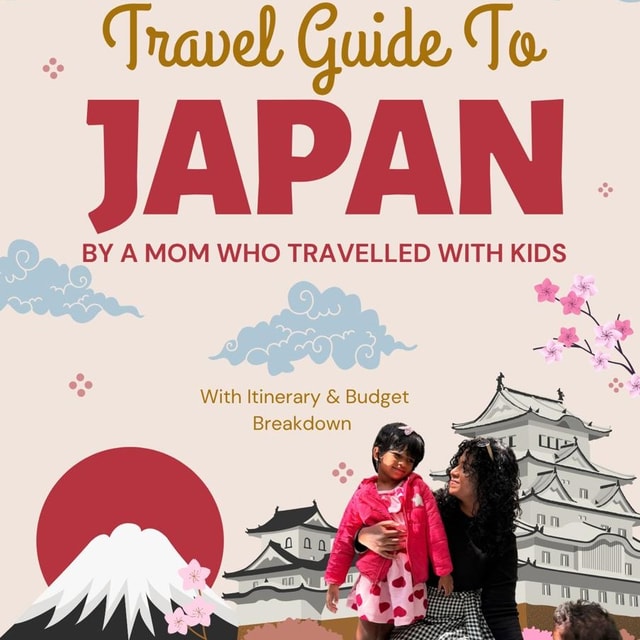
Japan Travel Guide with kids
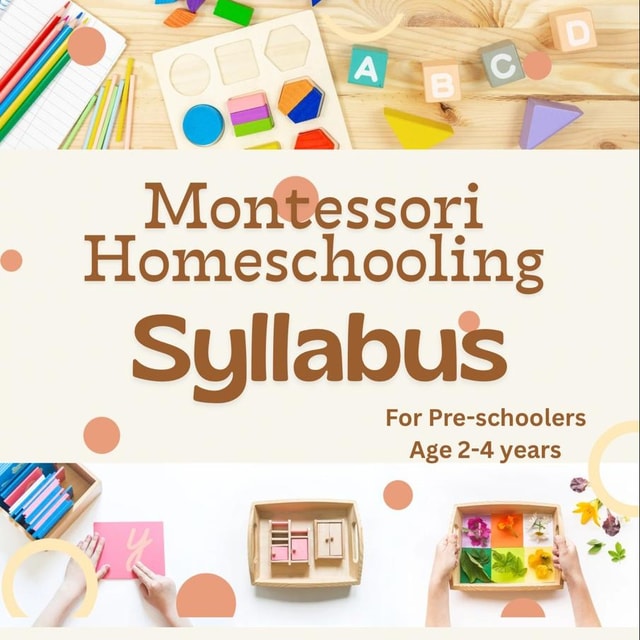
Nursery Montessori Homeschooling Syllabus
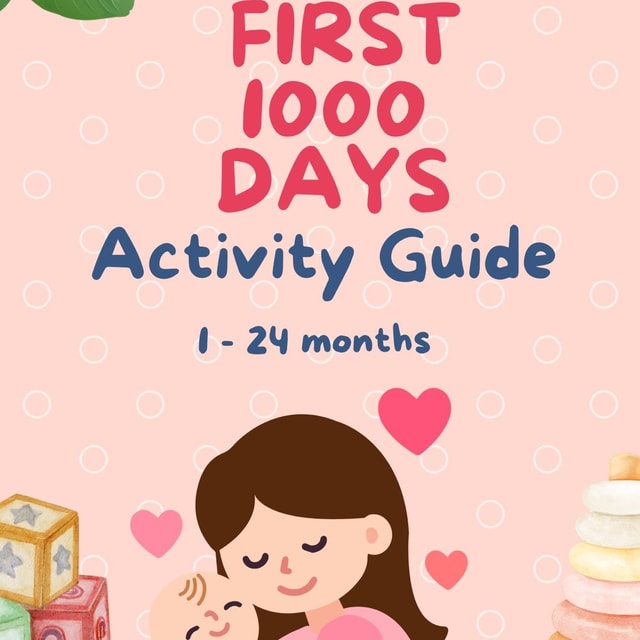
First 1000 Days Activity Guide (1-24 Months)
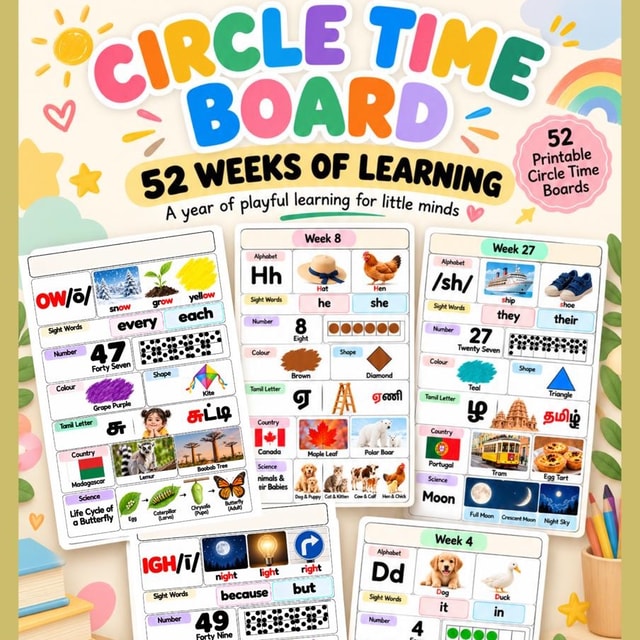
52-Weeks Homeschooling Circle Time Board
About me
Frequently asked questions
What is Montessori homeschooling?
Montessori homeschooling means educating your child at home using the Montessori method — hands-on, self-paced activities that build independence, concentration, and early academic skills through play. Instead of a classroom, the parent prepares a simple learning environment at home and acts as a guide. For preschoolers, it usually looks like short daily sessions of practical life tasks, sensorial play, early language and number work, and plenty of free exploration.
How to start Montessori at home?
Start small: set up one low shelf with 4–6 age-appropriate activities on trays, fix a short daily work window, and introduce one activity at a time by demonstrating it slowly. Everyday household items — pouring jugs, spoons, buttons, blocks, and paper — are enough in the beginning. If you want a clear path, a month-wise Montessori syllabus removes the guesswork of what to introduce each week and helps you stay consistent.
How to teach Montessori at home?
The core of teaching Montessori at home is the presentation: show one activity slowly and with minimal words, then let your child try and repeat it as many times as they want while you observe quietly. Follow your child's interest and pace instead of a rigid timetable, rotate activities when they lose appeal, and balance practical life, sensorial, language, and early math across the week. For ages 2–4, focused sessions of 20–45 minutes a day are enough.
What is a Montessori homeschool curriculum?
A Montessori homeschool curriculum is a ready plan — usually organised month by month — that tells you which activities, rhymes, worksheets, and themes to cover at each age so you don't have to design everything yourself. A good one for ages 2–4 sequences circle time, practical life, pre-writing and phonics, early numeracy, and craft in a developmentally correct order, so each week builds on the previous one.
Can you homeschool a preschooler?
Yes — the preschool years are actually the easiest stage to homeschool because young children learn mostly through play, repetition, and everyday routines rather than formal lessons. You don't need a teaching degree; you need a simple daily rhythm, a small set of hands-on activities, and consistency. In India, formal schooling is not compulsory at this age, which is why many parents use these years at home to build pre-reading, pre-writing, and independence skills before deciding on a school.
How to start homeschooling preschool?
Keep it to three building blocks: a fixed morning routine, a small pool of activities, and a light syllabus. A realistic preschool homeschool day is just 1–2 hours in total — circle time with rhymes, one hands-on activity, a page of pre-writing or worksheet practice, outdoor play, and read-aloud time. Don't try to copy a school timetable; short, consistent sessions work far better at this age.
What are some tips for homeschooling preschoolers?
Keep each activity to 10–20 minutes, prepare materials the night before, and follow your child's interests rather than forcing a topic. Let your child repeat favourite activities freely, end sessions on a success to protect motivation, and keep screens out of the learning block so focus can develop. Mix structured work with real-life tasks like cooking, watering plants, and sorting laundry — at this age, those count as genuine learning too.
What should I look for in homeschooling programs for preschoolers?
At this age, avoid anything that resembles screen classes or heavy academics. A good program is play-based, age-banded, and gives you a month-wise plan with printable worksheets and hands-on activities you can finish in 1–2 hours a day. For most families, a well-structured digital syllabus plus library books and household materials works better — and costs far less — than an expensive formal program.
What are the best Montessori at home activities for toddlers and preschoolers?
Begin with practical life — pouring water, spooning beans, wiping a table, practising buttons — then add sensorial work like colour sorting, shape matching, and pairing objects, plus fine motor favourites such as threading beads and peg boards. Language grows through object baskets, rhymes, and read-alouds, while early math comes from counting real objects. Rotate 6–8 activities on a low shelf and refresh them weekly to hold interest.
Where can I find a good Montessori at home PDF?
There are two types: free PDFs that explain the Montessori philosophy, and structured digital guides that give you a ready month-by-month plan of activities and worksheets. Free downloads are fine for theory, but most parents find an age-banded guide written by someone who is actually homeschooling a child far more practical, because the activities are already sequenced, tested, and matched to ages 2–4.
Which is the best Montessori at home book to begin with?
Most parents start with The Montessori Toddler by Simone Davies because it translates the method into simple home practices, and then go deeper with Maria Montessori's The Absorbent Mind. Remember that books explain the "why" — for the daily "what", pair your reading with a ready activity syllabus or workbook so your child stays engaged while you keep learning.
Do I need a Montessori at home course to teach my child?
No. Formal courses are designed mainly for teachers and are not a prerequisite for homeschooling your own preschooler. What matters far more is structure: a clear monthly syllabus, a prepared shelf with limited materials, and consistent daily practice. If you enjoy the theory later, a short online workshop is a useful add-on, but many parents start — and succeed — with just a good syllabus and activity guides.
What are the best toddler learning activities for 3 year olds?
At three, the highest-impact activities build pre-writing strokes, phonemic awareness, counting, and independence: tracing lines and curves, matching letters with sounds and objects, counting and sorting household items, lacing, simple scissor practice, tearing-and-pasting craft, and pretend play. Keep every activity under 15 minutes, and always follow table work with movement or free play.
What are some good toddler learning activities at home?
The ones that are short, hands-on, and part of a predictable rhythm work best: circle time with rhymes, one worksheet or workbook page, one practical life task like pouring or buttoning, plus craft, music-and-movement, and outdoor play. Planning the week's toddler learning activities at home in advance is the single biggest factor in staying consistent — and in keeping your child happily screen-free.
How should I use toddler learning activities worksheets with my preschooler?
Treat worksheets as short, guided practice rather than desk work: demonstrate the page first, then let your child trace, match, circle, and colour for 10–15 minutes, one or two pages a day. For ages 2–4, choose worksheets with large pictures, thick lines, and simple instructions, and pair each page with a physical activity using real objects so the concept actually sticks.