Testimonials
Services

How to Land a Data Job in the Next 90 Days – (3HR)
Sweet Crust Bakery - Power BI/SQL/Excel Project
Excel Workshop A-Z B1 -Recording


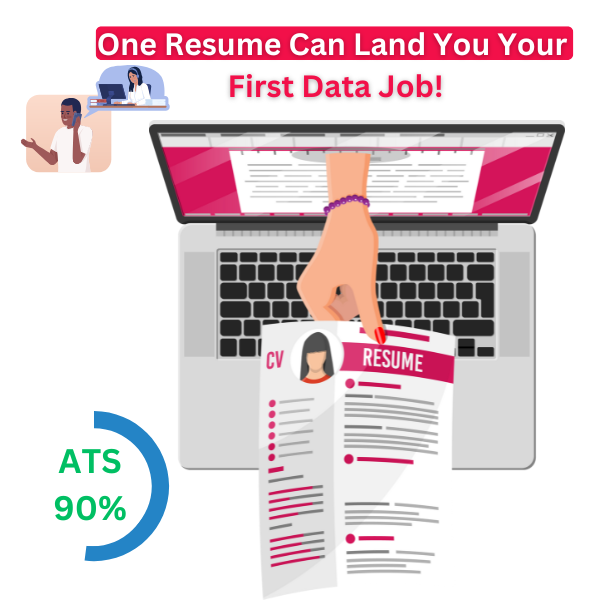
ATS-Friendly Data Analyst Resume – Ready to Use!
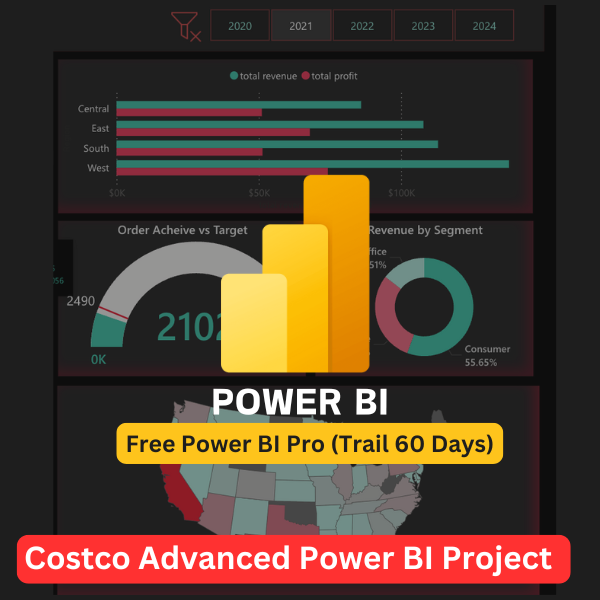
Costco Datasets - Power BI Advanced Project
1M+ Apple Sales Datasets - Advanced SQL Project
Amazon Advanced SQL Project - Guided - 70 Problems
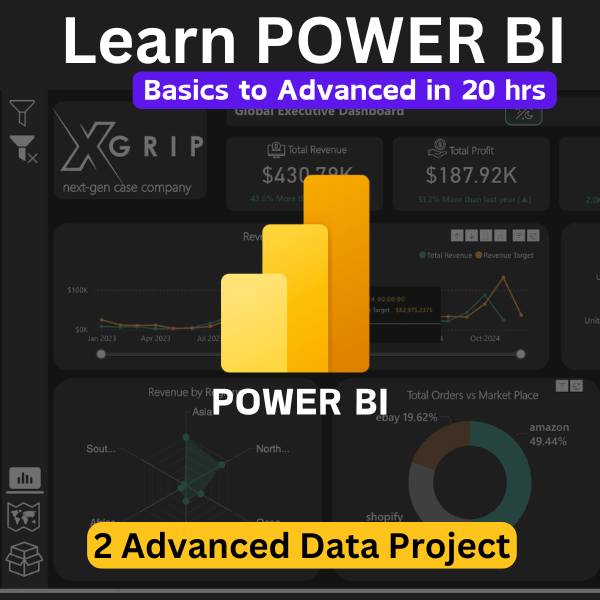
XGRIP Datasets - Power BI Multipage Project
1000+ SQL Interview Questions & Answers - ebook
Book 1:1 Call | All Doubts | Resume Review
Master Spark, Microsoft Fabric, Power BI (24 Hr+)
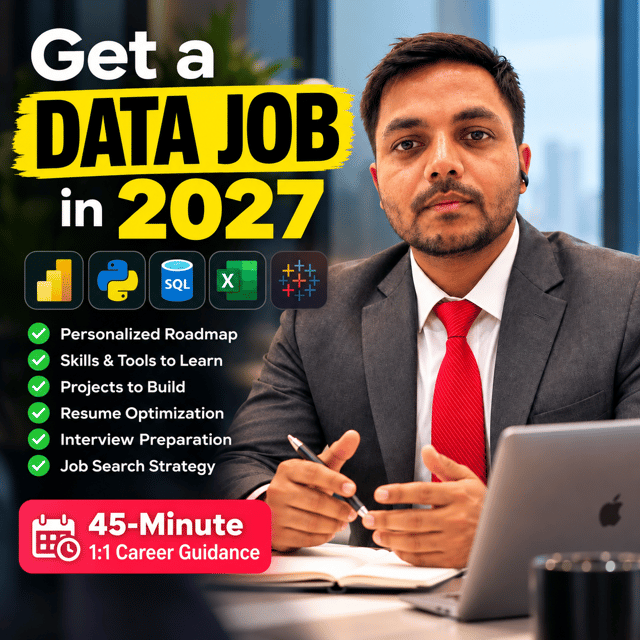
Get a Data Job in 2027 |1:1 Career Guidance
About me
- 80k plus followers in insta! Mentored 2500+ professionalshttps://www.instagram.com/zero_analyst/

Frequently asked questions
What are the most commonly asked SQL interview questions and answers?
Most interviews rotate around a core set of topics: JOINs (INNER, LEFT, RIGHT), GROUP BY and HAVING, subqueries and CTEs, window functions like ROW_NUMBER, RANK and LAG, and classic scenario problems such as finding the second-highest salary, removing duplicates, and top-N per group. Be ready for theory questions too, such as primary key vs. foreign key, WHERE vs. HAVING, and DELETE vs. TRUNCATE. Practising topic-wise from a compiled question bank is far more effective than reading random questions.
What SQL interview questions for freshers should I expect in my first interview?
As a fresher you will mostly face fundamentals: SELECT queries with filters and sorting, simple joins, GROUP BY aggregations, primary and foreign keys, and one or two easy scenario-based queries. Interviewers rarely expect advanced optimisation at this stage — what they actually test is whether you can write clean queries live and explain your logic clearly. Practise by writing these queries yourself on a real dataset instead of only reading solutions.
How to prepare for SQL interview questions?
Follow a simple sequence: first revise the fundamentals (joins, aggregations, subqueries, window functions), then move to scenario-based questions that mirror real business problems, and finally attempt timed mock tests. If you are unsure how to practice SQL interview questions effectively, pick one topic per day and solve 10–15 problems on it using a real dataset, writing every query from scratch. Reading answers without typing queries is the most common preparation mistake.
What SQL interview questions for 5 years of experience should I expect?
At the 5-year level, interviews shift from definitions to application: complex window functions, CTEs, query optimisation and indexing, handling very large tables, data modelling decisions, and open-ended business scenarios. Expect questions like "walk me through how you used SQL in your last project," so prepare 2–3 detailed examples from your own work with measurable outcomes.
Do SQL interview questions for a data analyst role include live coding tests?
Yes — in India especially, many analytics interviews include a live SQL round or a take-home test where you write queries on a sample business dataset. These rounds usually focus on joins, aggregations, and window functions rather than pure theory. Practise writing queries in a plain editor without autocomplete, and get comfortable explaining your approach out loud while coding.
How to build a Power BI project from scratch?
Start with a clear business question and a dataset, then clean the data in Power Query, build a proper data model with fact and dimension tables, write your DAX measures, and only then design the report visuals. Finish by publishing to the Power BI Service and writing down the key insights your dashboard reveals. Completing one full multi-page project this way teaches you more than ten isolated tutorials.
What are some good Power BI projects for beginners?
Beginners should start with single-dataset dashboards such as retail or supermarket sales, bakery or cafe sales, e-commerce orders, or HR attrition analysis. These datasets are small enough to finish but still cover data cleaning, modelling, DAX, and visual design. Once comfortable, move to a multi-page project with linked visuals and business KPIs, which carries far more weight in interviews.
Where can I find Power BI projects with dataset files for practice?
Kaggle, GitHub, and public data portals offer plenty of datasets, but many lack real business context or a finished solution to compare your work against. Guided Power BI projects that ship with the dataset, the completed .pbix file, and step-by-step instructions solve this, and several working analysts sell such project bundles at affordable prices. Whichever route you choose, make sure the dataset mimics a real business scenario rather than a random table of numbers.
How many Power BI projects for resume building are enough to get shortlisted?
Two to three strong, end-to-end projects are enough — recruiters consistently prefer depth over quantity. Include at least one multi-page project with business KPIs and documented insights, publish it to GitHub or the Power BI Service, and add the link on your resume. Ten cloned tutorial projects impress no one, but two projects where you can explain every design decision will.
How to showcase Power BI projects in GitHub?
Create a separate repository for each project and add a README covering the problem statement, the dataset, your approach, dashboard screenshots, and the key insights. Attach the .pbix file or report images, and if the data is not confidential, add a "Publish to web" link so recruiters can interact with the live report. Pin your best repositories to the top of your profile and paste the links in your resume and LinkedIn.
What is a Power BI project file?
A Power BI project file stores your entire work — the data model, Power Query transformations, DAX measures, and report pages. The standard format is the .pbix file, while the newer .pbip format saves the same content as separate text files so teams can use Git-based version control. For learning and portfolio purposes, .pbix is what you will use and share, and guided projects typically provide it along with the dataset.
How to learn data analytics from scratch without a technical background?
Follow a staged roadmap: start with Advanced Excel, then learn SQL properly, pick one BI tool (Power BI or Tableau), add basic Python and statistics, and finish with 2–3 portfolio projects on real datasets. With consistent daily practice this takes roughly 4–6 months, and a non-technical background is not a blocker — many working analysts started from commerce, sales, or unrelated jobs. Guidance from a mentor who already works as an analyst can save you months of trial and error.
How to learn data analytics for free?
You can build the entire skill stack for free using YouTube roadmaps, official free learning paths for tools like Power BI and Excel, and practice datasets from public data platforms. The real cost of free learning is structure and feedback, so set yourself deadlines, follow one roadmap end to end instead of hopping between videos, and join communities where you can get doubts cleared. Move to paid guidance only when you are stuck or need accountability for job applications.
Can I learn data analytics for free with a certificate?
Yes — several learning platforms offer free analytics courses with a completion certificate, and tool vendors such as Microsoft provide free learning paths for Power BI and Excel. Treat certificates as a supporting signal rather than proof of skill: recruiters shortlist based on projects, SQL, and hands-on tool proficiency, so pair every certificate with practical work you can demonstrate in an interview.
Is it a good idea to learn data analytics with AI tools like ChatGPT?
Used correctly, AI tools speed up learning significantly — they can explain error messages, generate practice questions, review your SQL queries, and simplify new concepts on demand. The mistake is letting AI do the work for you, because interviews and on-the-job tasks test your own ability to write queries and build dashboards without help. Treat AI as a 24/7 tutor rather than a substitute for hands-on practice, and your progress will be much faster.