Services
About me
Frequently asked questions
What is a DJ remix?
A DJ remix is a reworked version of an existing song where the beat, tempo, drops, or vocals are altered to make the track more dancefloor-friendly. In India, remixes of Bollywood and Punjabi songs are a fixture at weddings, clubs, and college fests because they give the crowd something familiar with fresh, high-energy production. DJs either produce their own remixes or play remixes released by other producers.
What is a DJ mix?
A DJ mix is a continuous, seamlessly blended sequence of tracks, usually recorded as one performance like a club or festival set. Unlike a remix, which changes one specific song, a mix stitches many songs together using beatmatching and smooth transitions. Listening to a DJ's mixes is the best way to judge their real style and skill behind the decks.
What are DJ edits?
DJ edits are modified versions of tracks built specifically for live performance — a longer intro for easier beatmatching, a restructured drop, a trimmed outro, or a cleaner transition point. An edit usually keeps the original song's character but makes it far more effective to play in a set. Working DJs depend on edits because official commercial versions of songs are often not performance-ready.
What is a DJ edit pack?
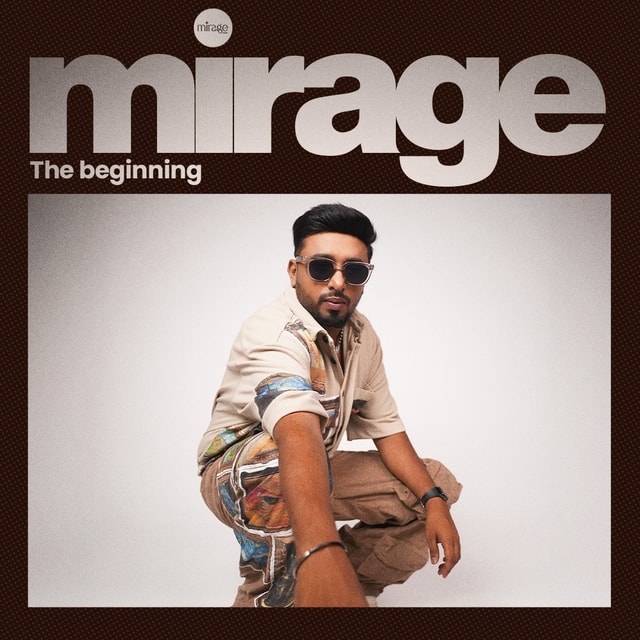
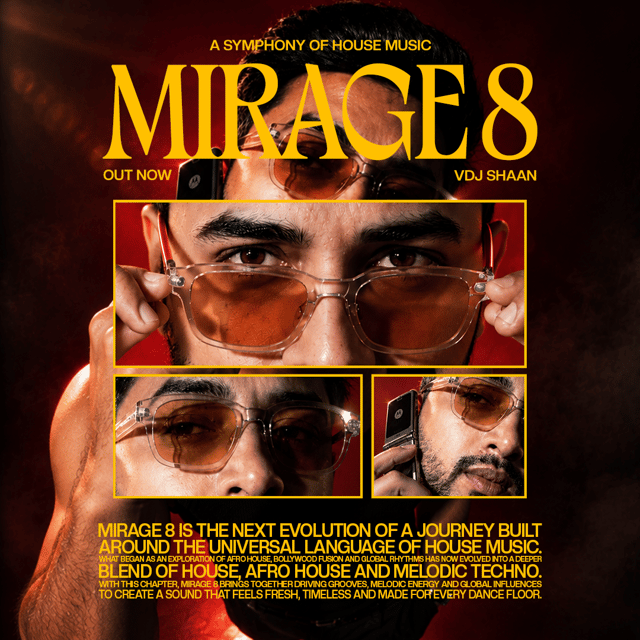
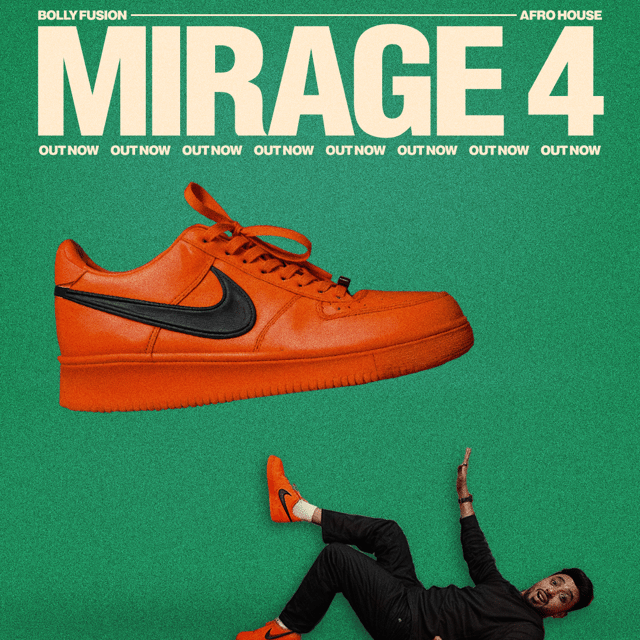
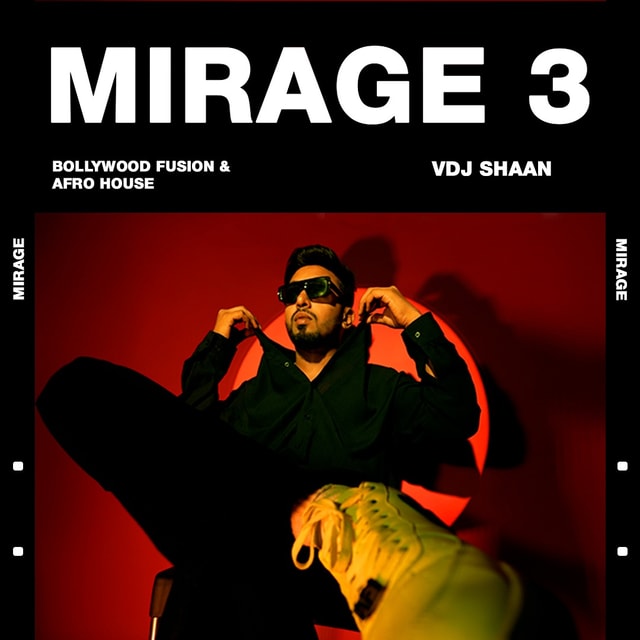
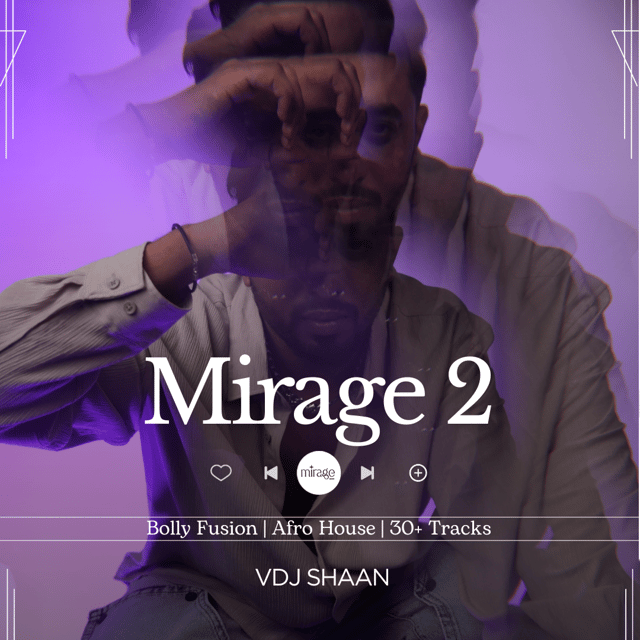
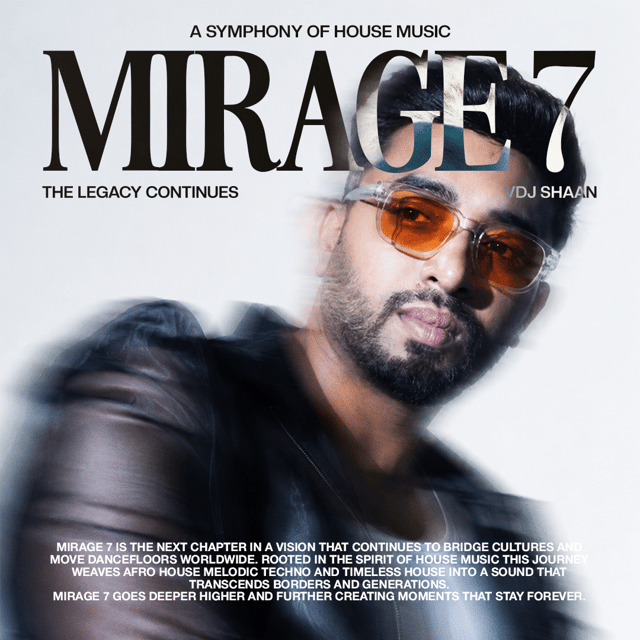
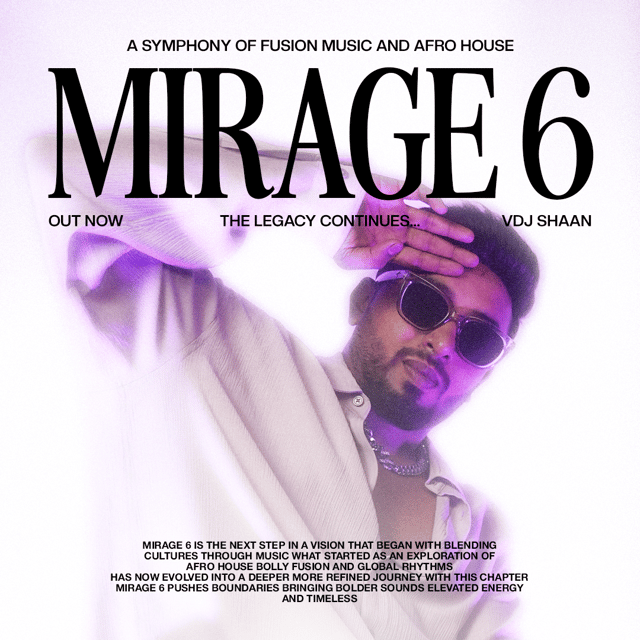
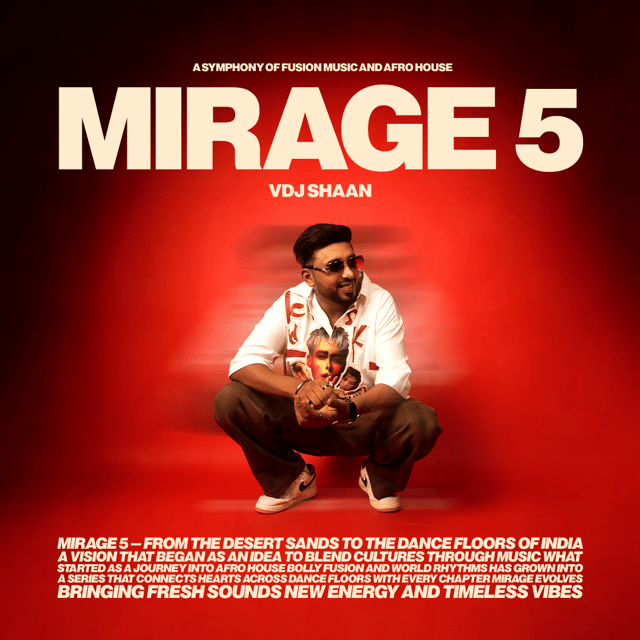
A DJ edit pack is a curated bundle of performance-ready edits, remixes, and intros released together, usually built around a theme or sound. Instead of hunting for tracks one by one, DJs get a ready-to-play collection they can drop straight into their sets. The Mirage series by VDJ Shaan, released as Mirage 1 through Mirage 7, is an example of such packs, offering everything from club anthems to house-inspired music for DJs across India.
How to DJ remix songs as a beginner?
Start inside a DAW like FL Studio or Ableton: source or isolate the vocals, build a fresh instrumental at a danceable tempo, and rebuild the song around a new beat and structure. Reverse-engineer remixes of songs you already know to understand exactly what the producer changed and why. Progress is much faster with feedback — 1:1 mentorship from a working DJ like VDJ Shaan can help you skip months of trial and error.
How to make house music from scratch?
House is built on a steady four-on-the-floor kick, typically 120–128 BPM, with a groovy bassline, punchy drums, and hypnotic elements arranged in 4, 8, and 16-bar phrases. Open a DAW, lay down the kick-clap-hat foundation, add a bassline locked to the kick, then arrange build-ups and drops using a reference track as your blueprint. Finish and polish one complete track before starting the next — that is the fastest way to improve.
How to mix house music smoothly?
House is one of the most beginner-friendly genres to mix because most tracks share a similar tempo and long, DJ-friendly intros. The core technique is beatmatching the incoming track with the one playing, bringing it in during an 8- or 16-bar phrase, and swapping the basslines with the EQ so the low frequencies never clash. Practise clean intro-to-outro blends consistently and your transitions will quickly start sounding seamless.
What is the house music genre?
House music is a genre of electronic dance music born in Chicago in the early 1980s, defined by a steady four-on-the-floor kick, tempos around 120–128 BPM, and soulful, repetitive grooves. It has since branched into styles like deep house, tech house, progressive house, and Afro house. In India, house powers a huge share of club nights and festival sets alongside Bollywood and commercial EDM.
What is the typical house music BPM?
The typical house music BPM range is 120–128. Deep house usually sits around 120–124, tech house and Afro house around 122–126, and peak-time or progressive house pushes closer to 126–128. This narrow range is exactly why house tracks blend into each other so easily during a set.
Who are the most iconic house music artists?
Frankie Knuckles, widely called the godfather of house music, shaped the genre's early sound in Chicago, alongside pioneers like Larry Heard and Kerri Chandler. Modern global headliners such as Fisher, Chris Lake, Peggy Gou, and John Summit dominate festival stages worldwide. Listening across both eras is the quickest way to understand how the sound has evolved.
Which Bollywood DJ remix songs work best for Indian weddings and parties?
High-energy remixes of 90s classics like "Saat Samundar" and "Kaliyon Ka Chaman", along with current Bollywood chartbusters reworked with heavy drops, reliably pack dancefloors at Indian weddings and parties. The best crowd-pleasers keep the original melody and hook intact while adding a punchy, club-ready low end. Most gigging DJs source these from remix packs — collections like VDJ Shaan's Mirage series give DJs across India performance-ready remixes and club anthems without the guesswork.
Where can I download DJ remix songs legally?
The safest ways to download DJ remix songs are official stores like Beatport, Apple Music, and Bandcamp, licensed DJ record pools, and direct releases from the producers who made them. Random free MP3 sites often deliver poor-quality, badly tagged files and can put you on the wrong side of copyright law. Buying legit versions also means cleaner audio and proper song structure for live mixing — which is why working DJs often prefer packs sold directly by producers, like the Mirage series.
Should I download DJ edits for free or buy a proper edit pack?
You can find free DJ edits on platforms like SoundCloud and in producer giveaway bundles, but quality is a gamble — inconsistent mastering, sloppy loops, and unclear usage rights are common. Paid edit packs are usually tested on real dancefloors, consistently mastered, and structured for smooth transitions. If you play paid gigs regularly, a curated pack almost always pays for itself in saved prep time and better sets.
Which DJ remix app is best for beginners?
For mixing on a phone or tablet, apps like djay (Algoriddim), Edjing Mix, and Cross DJ are solid starting points to practise beatmatching and transitions. A DJ remix app is great for learning fundamentals, but actual remix production eventually needs a DAW on a laptop. Once the basics click, moving to proper gear or guided mentorship makes the jump much easier.