Testimonials
Services

Madeira Travel Guide
Switzerland Guide


Stunning Slovenia


Cover Letter Sample
Greece Travel Guide
Comprehensive Packing List for your Europe trip
Europe Trip Planner

Ask us your travel queries
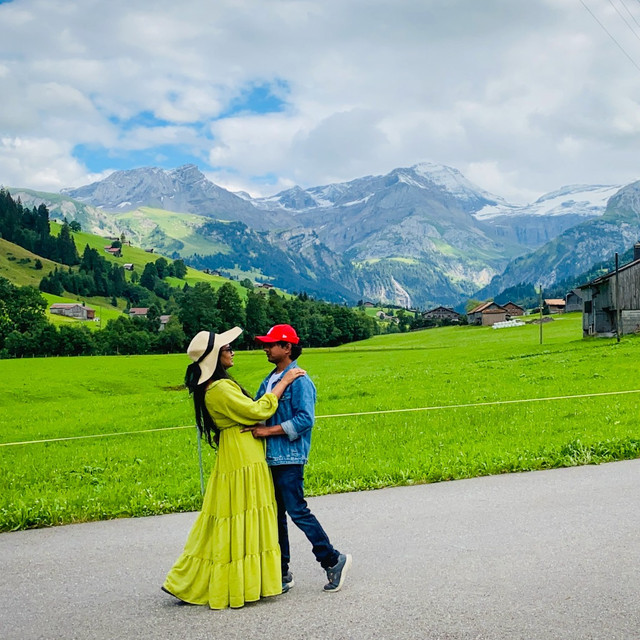
Unveiling the Magical DDLJ Trail in Switzerland

Help me in trip planning
Frequently asked questions
How to apply for a Schengen visa from India?
First identify your main destination — the Schengen country where you will spend the most nights (or your first point of entry if the stay is equal), because that consulate processes your application. Book an appointment at that country's visa application centre (VFS handles most in India, and slots in May–August fill weeks in advance), fill the application form, and carry your passport valid 3 months beyond return, two recent photos, flight reservation, hotel bookings, a day-wise itinerary, travel insurance with €30,000 medical cover, 3–6 months of bank statements, ITRs, salary slips or a leave letter, and a cover letter. Biometrics are given at the appointment, and a decision usually takes around 15 calendar days, though peak-season delays are common, so apply 2–3 months early (applications open up to 6 months before travel).
What is the Schengen visa fee for Indians?
The standard fee is €90 per adult (roughly ₹8,500–9,500 depending on the exchange rate), €45 for children aged 6–11, and free for children under 6. On top of this, the visa application centre in India charges a service fee of around ₹2,000–2,500, plus optional charges for courier or SMS updates. The fee is the same across all Schengen consulates and is non-refundable even if the visa is rejected — only the service charge varies slightly.
What is a Schengen visa for Indians?
It is a single short-stay visa that allows Indian passport holders to travel across all 29 Schengen countries — France, Germany, Italy, Switzerland, Spain, Greece, the Netherlands and others — on one sticker visa, for up to 90 days within any 180-day period. It covers tourism, family visits and short business trips, but does not permit work or long-term study. Indians must obtain it before travel, as there is no visa-on-arrival for the Schengen area.
What is a Schengen visa Type C?
Schengen visas are categorised by purpose and duration: Type A is an airport transit visa, Type C is the short-stay visa allowing up to 90 days within any 180-day period, and Type D is a national long-stay visa for study or work beyond 90 days. If you are planning a holiday in Europe from India, the Type C category — usually issued as multiple-entry — is the one you will apply for.
How long does a Schengen visa application take?
After submission, a decision normally takes about 15 calendar days, which consulates can extend to 45 days if extra verification is needed. In practice, the bigger delay is the appointment itself — slots at popular centres fill up weeks ahead in May–August and December. So submit your Schengen visa application 2–3 months before departure, keep flight bookings refundable until approval, and avoid booking non-refundable hotels until the visa is in hand.
What are the Schengen visa countries for Indian travellers?
One Schengen visa covers 29 European countries, including France, Germany, Italy, Spain, Portugal, Greece, Switzerland, the Netherlands, Austria, Belgium, the Czech Republic, Hungary, Poland, Croatia, Sweden, Denmark, Norway, Finland and Iceland. Ireland and Cyprus are not part of the Schengen area. A useful bonus for Balkan add-ons: nearby countries such as Montenegro and Albania generally let Indian travellers enter with a valid multiple-entry Schengen visa, though you should always confirm the latest entry rules before booking.
What is the correct Schengen visa photo size?
The photo must be 35 mm wide and 45 mm tall, taken within the last six months against a plain white or light background. Your face should cover about 70–80% of the frame with a neutral expression and closed mouth; glasses with glare are best avoided, and headgear is allowed only for religious purposes. Carry two identical copies printed on photo paper — poor photos are one of the most common reasons applications get held up at the centre.
How much does a full Europe trip cost?
For travellers from India, a 10–12 day Europe trip typically works out to roughly ₹1.8–3 lakh per person on a mid-range budget: return flights of about ₹50,000–90,000, visa and insurance around ₹10,000–12,000, hotels of ₹6,000–12,000 per night for a double room, plus inter-city trains, attraction tickets and food. Backpacker-style trips with hostels and off-season dates can come closer to ₹1.2–1.5 lakh, while peak-summer trips covering 3–4 countries cost more. Fewer countries with longer stays in each city almost always brings the budget down.
How do I write a cover letter for a Schengen visa?
Keep it to one page and cover the essentials: your name, passport number and occupation, the purpose of the trip, exact travel dates, the countries you will visit, who is funding the trip, and your ties to India such as employment, business, family or property. State clearly that your day-wise itinerary, hotel bookings, flight reservation and insurance are attached, and make sure every date in the letter matches those documents. Mismatches between the letter and the bookings are a common reason for delays or rejections, which is why many applicants start from a proven sample and then customise it.
Where can I find a free Europe trip planner?
You can build one at no cost using Google MyMaps for routes, a spreadsheet for the day-wise plan, and official tourism board websites for opening hours and pass prices. Travel blogs, YouTube itineraries and forum threads help with real timings and costs. The catch is that free sources scatter information across ten tabs, so travellers short on time often prefer a ready-made day-wise planner where timings, budgets and booking notes are already worked out in one place.
What should a Europe trip planner template include?
A useful template has a day-wise plan with mornings, afternoons and evenings blocked out, city-wise stays with check-in and check-out times, inter-city transport with booking references, a pre-book list for timed attractions, opening days (many European museums close on Mondays), a daily budget column tracked in one currency, and a document checklist covering visa, insurance and ID copies. Without realistic travel time between places, a template is just a wish list — the timing and transport details are what make it work on the ground.
Is a Europe trip planner app enough on its own?
Apps are excellent for navigation, tickets and last-minute changes, but they do not make the judgement calls a good itinerary needs — how many nights each town deserves, which villages are worth it in your season, when to reserve trains, and how to sequence places without backtracking. A Europe trip planner app works best on the ground, while a tested day-wise itinerary made before the trip keeps the route, timings and budget realistic.
How do I plan a Europe trip from India?
Work in this order: lock your dates and budget, pick a maximum of two or three countries for a 10–14 day trip, book flights into one city and out of another to avoid retracing your route, apply for the Schengen visa through the country where you will stay longest, and only then build the day-wise plan and lock non-refundable hotels. If research time is short, a ready-made Europe trip planner from India — built by someone who has actually done the route — saves weeks of tab-juggling and includes India-specific details like visa appointments and budgets in rupees.
Where can I get a reliable Switzerland travel guide PDF?
Switzerland Tourism's official site is free and accurate for opening hours and pass prices, but it will not hand you a day-by-day plan. For that, travellers usually download a detailed Switzerland travel guide PDF created by people who have actually done the route — the good ones include day-wise timings, Swiss Travel Pass calculations, scenic train seats worth reserving, and realistic budgets. If you prefer paper, a printed Switzerland travel guide book from a major publisher also works, though PDFs are updated more frequently and are easier to pull up on your phone mid-trip.
Do I need a Switzerland travel guide 2026 edition, or is an older one good enough?
The mountains and trains are not going anywhere, but the numbers change every year — cable-car fares, Swiss Travel Pass prices, train timetables, hotel rates, and even which lifts close for maintenance. If your trip is in 2026, a Switzerland travel guide 2026 edition or a recently updated PDF will keep your budget and pass maths accurate, and you should still double-check live prices on official sites before booking anything big.