Testimonials
Services
My Bank Job Tracking Sheet
Bank Resume Template for Freshers- ATS Friendly
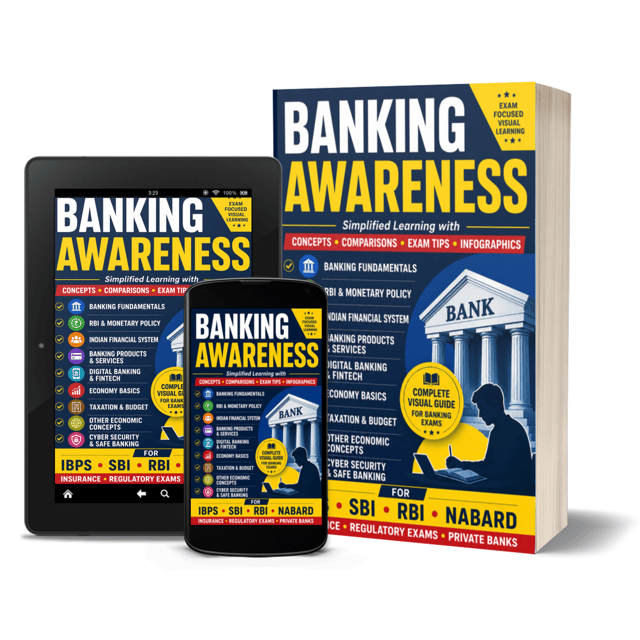
Banking Awareness for Bank Exams ☑️
150 Most Asked Bank Interview Questions & Answers
100 Must-Know Real Estate Job Interview Q&A
How To Make Career in Real Estate
Priority DM - Get Answered in a snap
Fast Forward Banker
ATS Friendly Resume Template : Bank Operations
Bank Job Resume Template-Ready To Use-ATS Friendly
ICICI Apprenticeship Winning Resume
100+ Accountant Job Interview Questions & Answers
Banking Career Guidance - Book Call
Quick chat - About Private Bank Job
About me
Frequently asked questions
How to start a career in banking in India?
Anyone wondering how to start a career in banking should first choose between two routes: the public sector exam route (IBPS PO, IBPS Clerk, SBI PO, RBI Grade B) after graduation, or direct hiring by private banks for roles like relationship executive, branch operations and sales. Build your basics — RBI functions, repo rate, types of bank accounts — work on communication skills, prepare an ATS-friendly resume, and practise interviews. Freshers can also enter through private bank apprenticeship programs and grow into permanent roles.
What are the main banking career options in India?
The main banking career options in India include Probationary Officer, Clerical and Specialist Officer posts in public sector banks through exams like IBPS and SBI, and roles in private banks such as relationship manager, operations executive, credit analyst and branch sales. Beyond commercial banks, there are officer-level openings in RBI, NABARD and SIDBI, along with growing demand in wealth management and SME lending. Apprenticeship programs are a solid entry point for candidates without prior experience.
Can I build a banking career after 12th?
Yes. A banking career after 12th usually begins with private bank apprenticeship programs or entry-level sales and customer-service roles, since most officer and clerical bank exams require you to be a graduate. Many candidates complete graduation through distance education while working, and then appear for exams like IBPS PO or clerical exams. Strong customer-handling and communication skills built early make that later switch much smoother.
How much is the salary of banking and finance jobs in India?
The salary of banking and finance professionals varies widely by role and bank. Public sector Probationary Officers typically earn an in-hand monthly salary of roughly ₹52,000–₹65,000 with allowances in metro postings, clerical roles are lower, and fresher positions in private banks generally start around ₹2.5–4.5 lakh per year plus performance incentives. Specialist roles in credit, treasury and wealth management, and officer posts in RBI, pay considerably more with experience.
What are the common questions asked in a bank interview?
The most common questions asked in a bank interview are "Tell me about yourself", "Why do you want to join the banking sector?", "Why should we hire you?", questions on strengths and weaknesses, your five-year plan, and willingness to relocate or meet sales targets. Interviewers also test banking awareness — functions of the RBI, repo rate, CIBIL score, types of accounts — and situational questions like how you would handle an angry customer.
Where can I get bank interview questions and answers for freshers?
Compiled question banks, PDFs and ebooks covering bank interview questions and answers for freshers are the easiest starting point — pick one that lists the most frequently asked questions with model answers. Then personalise each answer with your own academic background and examples, practise speaking them aloud instead of memorising, and stay updated on recent banking news so your responses sound natural rather than scripted.
How do I answer job interview questions with no experience?
If you are unsure how to answer job interview questions with no experience, shift the focus from your work history to what you already have — college projects, internships, part-time work, volunteering and the skills behind them. Structure examples using the STAR method (Situation, Task, Action, Result), be honest about what you have not done yet, and show genuine willingness to learn. Interviewers hiring freshers care more about attitude and trainability than past job titles.
How is interview preparation for freshers different from what experienced candidates need?
Interview preparation for freshers should concentrate on fundamentals — basics of the role, industry awareness, communication, and well-rehearsed stories from academics, projects and internships — because interviewers assess attitude and trainability rather than track record. Experienced candidates, on the other hand, are evaluated on achievements, domain depth and role-specific expertise. Freshers should also prepare a convincing answer to "Why should we hire you without experience?"
Is an interview preparation course worth it for bank jobs?
An interview preparation course is worth considering if you keep getting rejected at the interview stage, freeze under pressure, or have no one to practise with. A good program provides updated question banks, banking-awareness guidance and honest feedback through mock interviews. If you are self-disciplined, self-study combined with a few expert-led mock sessions usually gives the best balance of cost and results.
What is a good banking career objective for a freshers' resume?
A strong banking career objective is two to three lines that mention who you are, the role you are targeting, and the skills you bring — for example, communication, customer service and basic financial knowledge. Avoid vague clichés like "seeking a challenging position in a reputed bank", and tailor the line to each bank or role. Pair it with a clean, single-column, ATS-friendly format so resume screening software can actually read it.
How do mock interviews help in clearing a bank interview?
Mock interviews recreate real interview pressure, which lowers nervousness on the actual day. They expose problems you cannot notice yourself — filler words, rushed answers, weak body language — and structured feedback helps you tighten the flow of every answer. Practising bank-specific questions, including banking awareness and customer-handling scenarios, in a mock setting makes your final responses far more crisp and confident.
Why is banking awareness important for a bank interview?
Interviewers use banking awareness questions to separate serious candidates from casual applicants, especially when hiring freshers with no prior banking experience. You should be comfortable with the RBI's functions, repo rate and monetary policy, CASA, CIBIL scores, government schemes like Jan Dhan Yojana, and recent developments in the banking sector. Solid awareness signals genuine interest in the field and often becomes the deciding factor at the fresher level.