Testimonials
Services

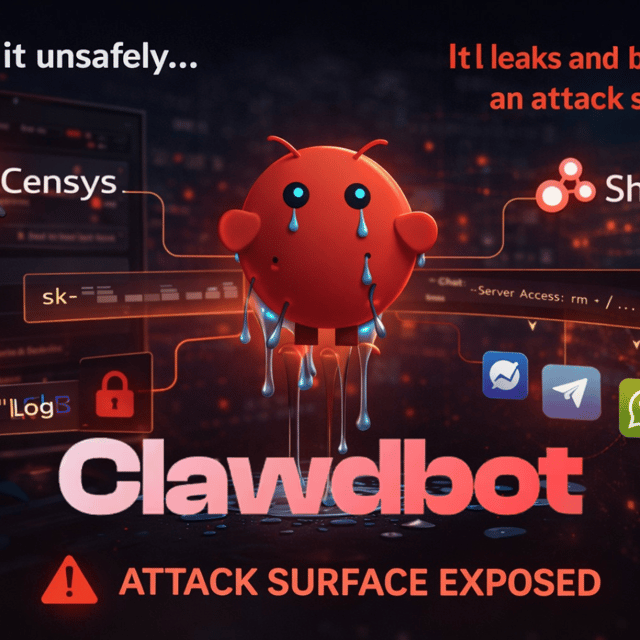
Clawdbot: 5-Minute Security Hardening Checklist
30-Day “No-Math-Panic” AI Checklist

1 to 1 Career Guidance for Getting Started in AI
1 to 1 Career Guidance for Women Returning to Work

The 3-Step Framework to Unlock AI's Developer Mode

Mock Interview for Data / AI / Tech Roles
Run AI Locally: A Practical Guide to Ollama
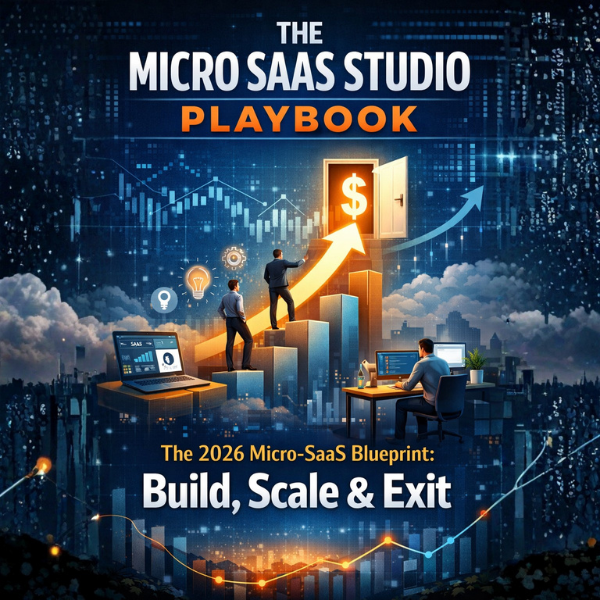
Micro-SaaS Architect Pro Subscription
AI Misuse Detection Playbook - For SOC teams

Prompt Engineering Roadmap


About me
- Intro offer. Huge discounts on all services.

- Checkout free courses on AIhttps://www.youtube.com/@thearthiaicollective

- Arthi Rajendran provides impactful support and guidance, helping clients regain clarity and confidence with her positive approach.
 AI-generated based on testimonials
Frequently asked questions
What is prompt engineering in AI, and how do you learn it?
Prompt engineering in AI is the practice of designing the instructions you give a generative model — like ChatGPT or Claude — so it produces accurate, useful output consistently. To learn it, pick one model and practise deliberately: rewrite the same prompt using a clear role, context, task, format and examples, and study why the output improves. Working through one structured prompt engineering guide end to end beats collecting random tips, and a few weeks of daily practice is usually enough to handle real work.
How to do prompt engineering in ChatGPT?
Start by giving ChatGPT a clear role, the full context of your task, the exact output format you want, and one or two examples of good output. Use custom instructions so your preferences persist across chats, and refine through follow-ups instead of restarting the conversation. The biggest upgrade for most beginners is asking ChatGPT to critique its own answer — "what is missing or wrong here?" — before accepting the result.
How to prompt engineer Claude?
Claude responds best when you front-load context: explain the background, the audience and the goal before stating the task. Use clear sections or tags to separate your instructions from the material it should analyse, since Claude handles long documents especially well. Be explicit about tone, length and format, and if the first response misses the mark, tell it what to change within the same conversation rather than starting over.
Which prompt engineering course is best for beginners in India?
The best prompt engineering course for a beginner is one that teaches a repeatable structure — role, context, task, format, examples — and makes you practise on real tools like ChatGPT and Claude rather than only watching videos. Free resources are enough to test the waters, but a roadmap-style course that moves from basics to advanced patterns like few-shot prompting saves months of scattered learning. Always check that the material was updated recently, because model behaviour changes fast.
Is a prompt engineering certification worth it in India?
A prompt engineering certification helps mainly as structured learning plus a resume signal, but hiring managers weigh hands-on projects more heavily than certificates. A practical route is to begin with a free prompt engineering course with certificate, confirm you enjoy the work, and then invest in deeper project-based learning. Pair any certification with two or three public AI projects, because that combination is what actually gets interviews.
What prompt engineering jobs can freshers get in India, and what salary can they expect?
Most entry-level openings are hybrid roles — AI content strategist, LLM operations associate, AI product analyst, or junior data/AI positions where prompting is one required skill — rather than pure prompt engineering jobs with that exact title. Prompt engineering salary in India commonly starts around ₹5–10 LPA for these roles and can cross ₹20 LPA for specialists who pair prompting with software or data skills at product companies. Freshers stand out with a public portfolio of prompts, automations and AI-assisted projects, since employers shortlist on proof of skill.
How do I build an AI career roadmap for 2026 as a beginner?
Pick one lane first — applied AI/ML engineering, data and analytics with AI, or AI product and business roles — because the AI career roadmap for 2026 rewards focused depth over general curiosity. A workable sequence for beginners: solidify Python and data fundamentals, learn how LLMs and prompt engineering actually work, build two or three portfolio projects that solve real problems, add one recognised certification, and then apply at scale. Review the roadmap every quarter, since in-demand AI roles are shifting quickly.
Is an AI career roadmap generator actually useful?
An AI career roadmap generator is useful for producing a quick, structured draft of skills, tools and milestones when you have no idea where to start. Its limitation is that it works from patterns, so it cannot weigh your actual background, employment gaps, or what employers in India are hiring for right now. Use one to get a starting skeleton, then validate it against live job postings and feedback from a mentor who works in AI.
What is a good AI certification roadmap for beginners?
A sensible AI certification roadmap starts with one fundamentals certificate — such as Azure AI Fundamentals (AI-900) — to establish baseline credibility, followed by one applied, associate-level certificate matched to your target role. If you follow the Microsoft AI certification roadmap, that typically means AI-900 first and then AI-102 for AI engineering positions. Space certifications around portfolio projects rather than stacking them back to back, because interviewers test what you can build, not just what you have passed.
Can I start a career in AI with no technical background?
Yes — applied and business-facing AI roles value domain knowledge as much as code. People from healthcare, finance, teaching, marketing and operations backgrounds transition successfully by layering AI skills on top of their existing expertise: prompt engineering, AI tools, data literacy and no-code automations first, with math and heavier coding added only if the target role demands it. A step-by-step plan matters more than a CS degree, and the right guidance can tell you which steps your background lets you skip.
How can women returning to work after a career break get into AI?
Start with a short, structured refresh of in-demand AI skills so your resume shows current knowledge, then create one or two fresh portfolio pieces — even small AI-assisted projects from your earlier domain count. Prepare a brief, confident narrative around the break, target companies with returnship or re-entry programmes, and reactivate your network before applying broadly. AI is one of the more returner-friendly fields because demonstrable, up-to-date skills outweigh employment gaps, and a mentor who has guided similar restarts can help you sequence everything without losing months.
What is micro SaaS?
Micro SaaS is a small, tightly focused software product — usually subscription-based — that solves one specific problem for one specific niche, typically run by a solo founder or a tiny team. Unlike venture-backed SaaS, it does not need to dominate a market; a few hundred paying users can make it a solid income. Common examples include niche browser extensions, single-purpose AI tools, and lightweight dashboards for one industry.
How to find micro SaaS ideas that are actually worth building?
The most dependable way is to start with problems you have personally hit in a job, industry or hobby, then confirm other people feel the same pain. Look for repeated complaints in niche communities, check whether people already pay for clumsy workarounds, and validate demand with a simple landing page or a few customer conversations before writing any code. Narrow beats broad — the strongest micro SaaS products serve one audience extremely well.
What are the best micro SaaS ideas for 2026?
The strongest micro SaaS ideas for 2026 cluster around AI-powered niche tools: document and compliance assistants for specific industries, vertical chatbots trained on one domain's knowledge, reporting automations for small businesses, and workflow helpers for creators. The best micro SaaS ideas for solopreneurs share three traits — a problem the founder understands deeply, a market small enough that big software companies ignore it, and a scope one person can realistically build and maintain.
What are some good micro SaaS ideas for India?
The strongest micro SaaS ideas for India solve local friction: GST and invoicing helpers for small sellers, vernacular-language content tools, analytics for D2C brands, appointment and queue management for clinics and salons, and compliance dashboards for MSMEs. With Indian small businesses adopting digital payments and tools rapidly, simple, affordable, mobile-first products aimed at one niche tend to win over feature-heavy platforms.