Testimonials
Services
Data Science & AI Guidance
Data Analyst Mock Interview
Personal Brand Masterclass
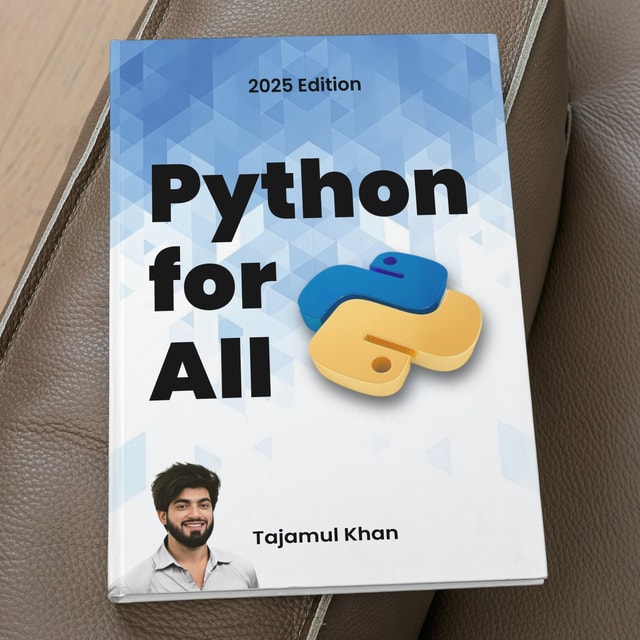
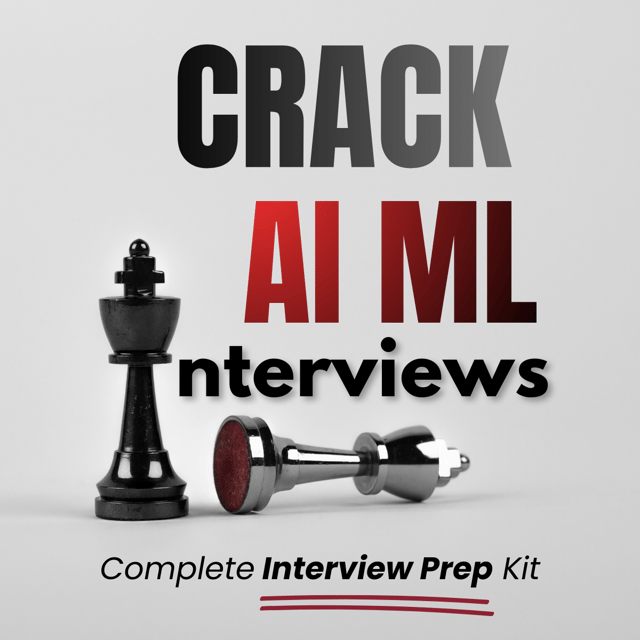
Crack Data Science Interviews - Complete Bundle
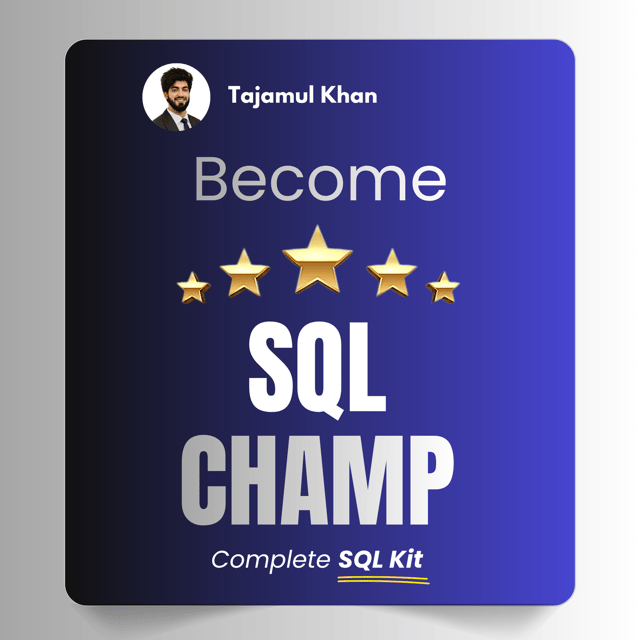
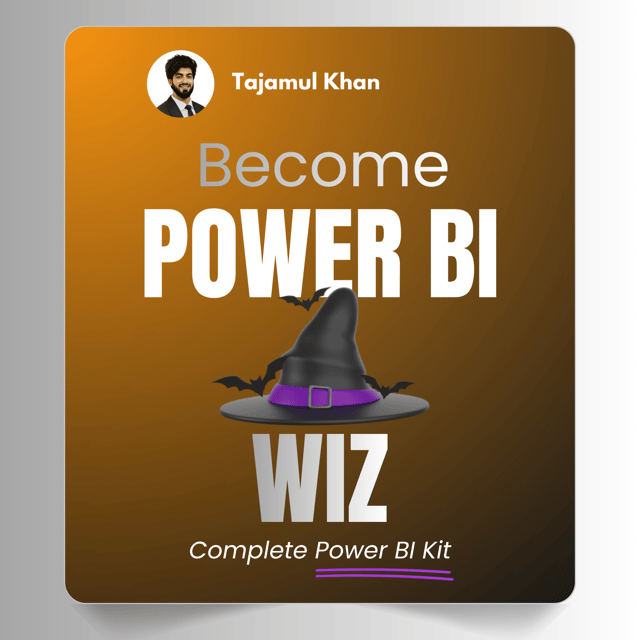
My Ebooks for Data Scientist Mastery
Crack Python Interviews
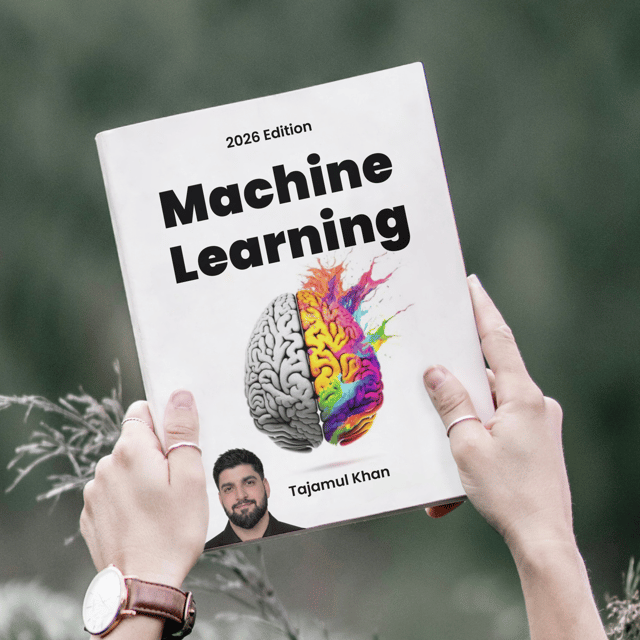
50+ Machine Learning Projects
Crack Deep Learning Interviews
Crack Gen AI Engineer Interviews
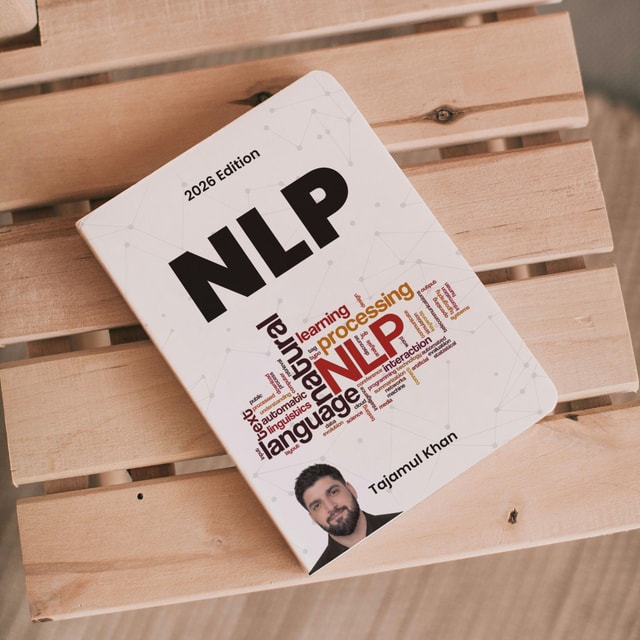
Crack Statistics Interviews
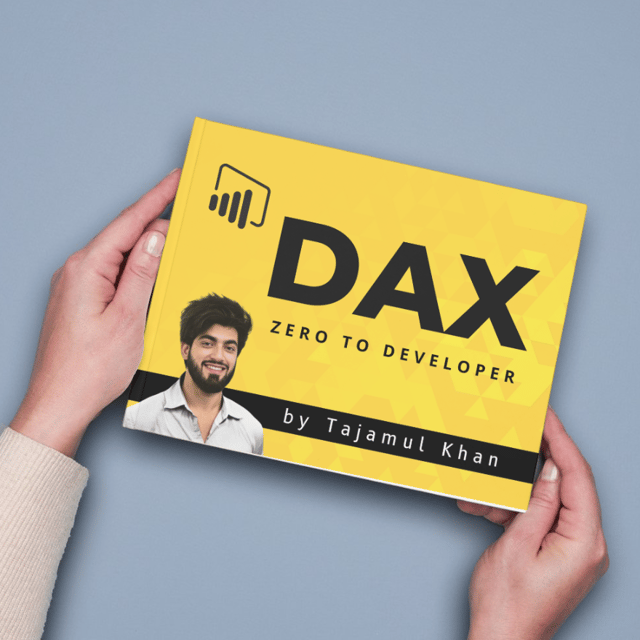
50+ Power BI Projects
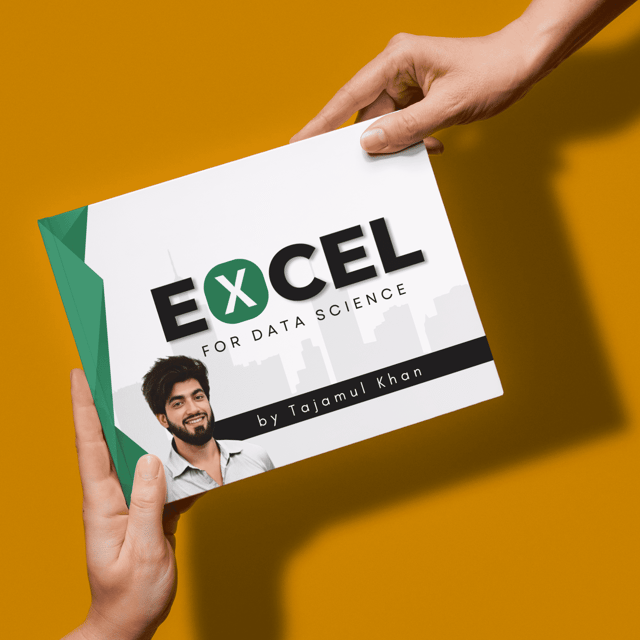
Top Service Companies Interview Q&A
Free Data Analyst Resources
Collaboration Enquiry (Speaker/Promotions)
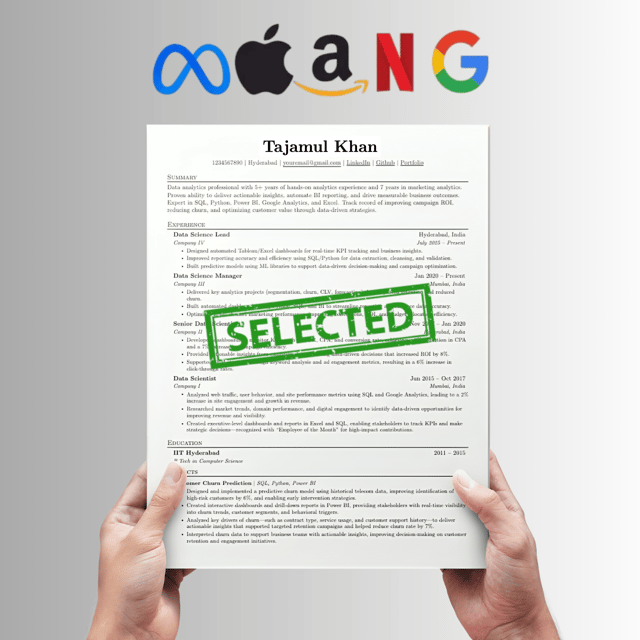
Need a MAANG level Resume ?
Power BI Developer Guidance
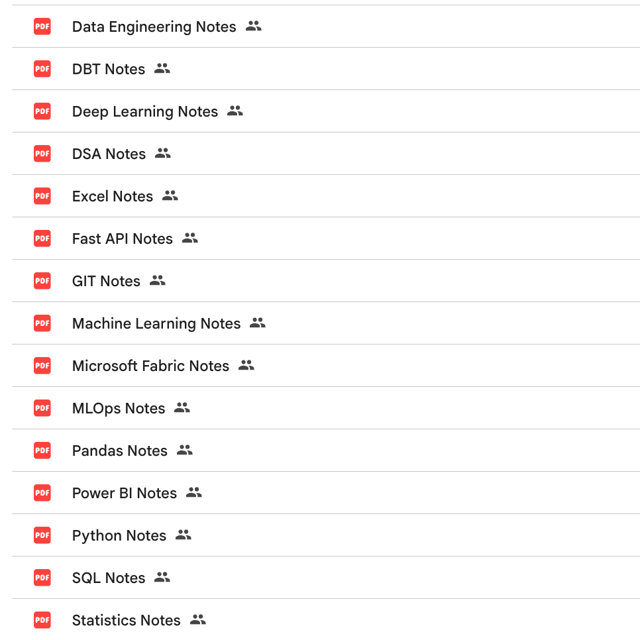
Data Scientist Mock Interview
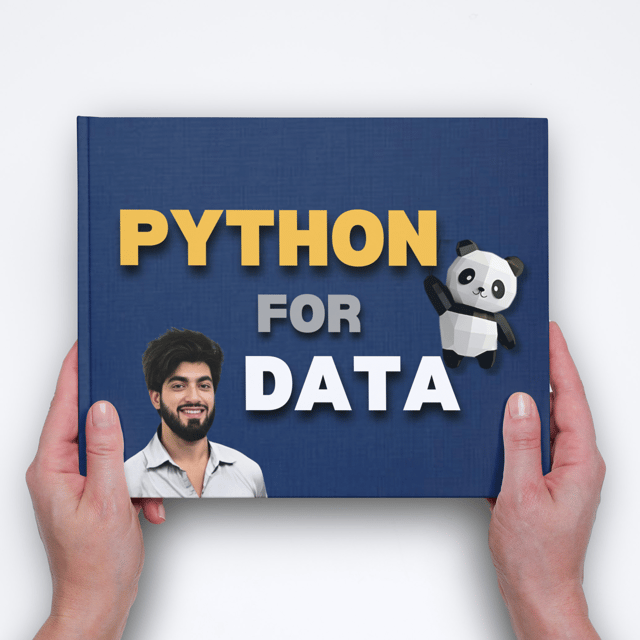
My Ebooks for Data Analyst Mastery
Crack SQL Interviews
Crack Machine Learning Interviews
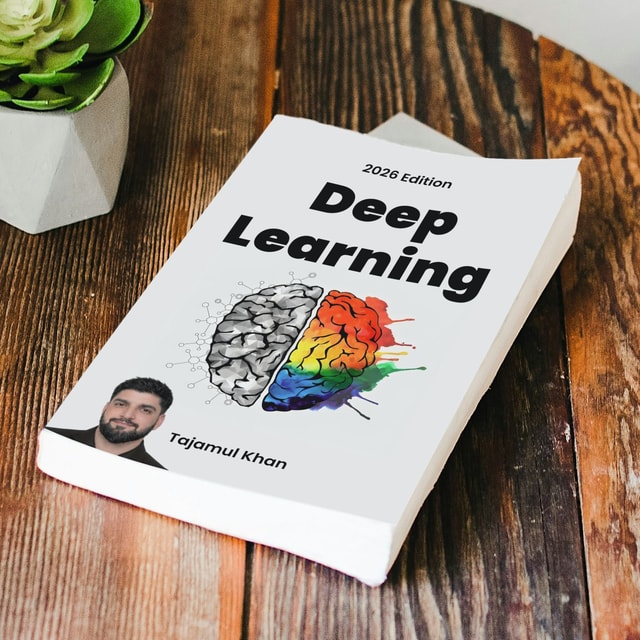
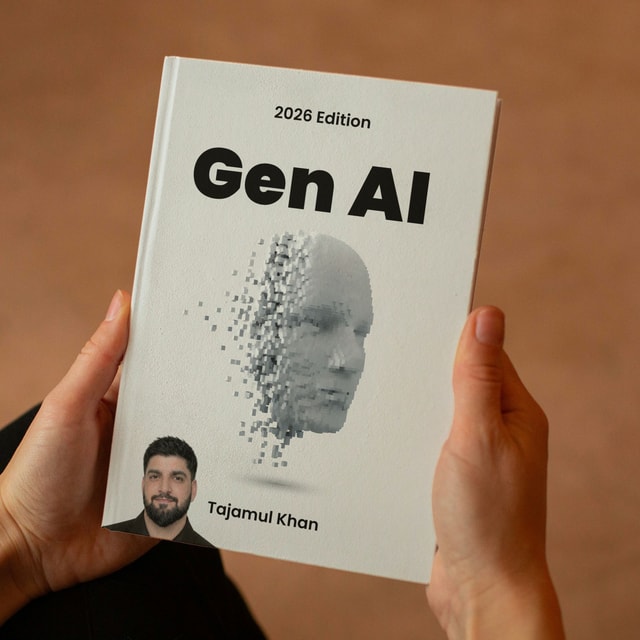
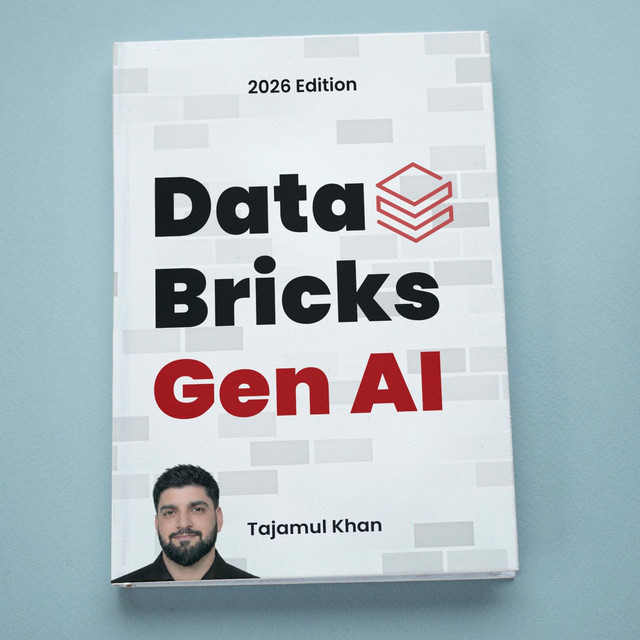
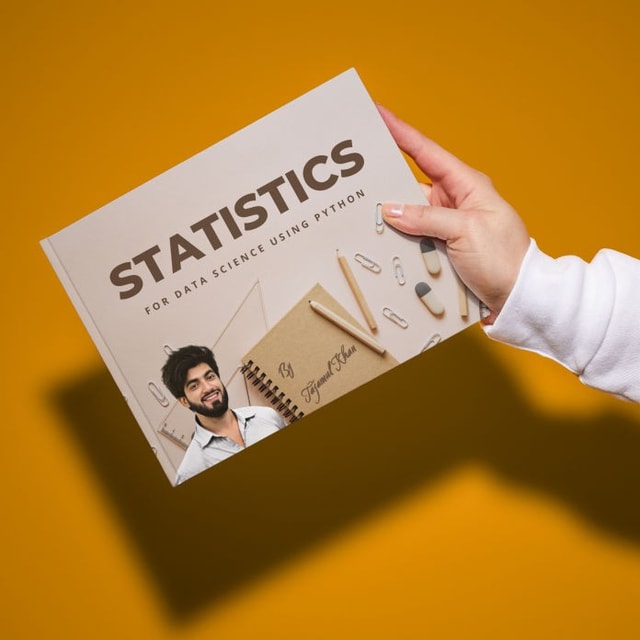
Crack Time Series Interviews
Crack Power BI Interviews

Have a Question?
50 MAANG SQL Queries
About me


- Tajamul Khan is a knowledgeable, supportive mentor with a talent for simplifying complex data concepts and providing invaluable guidance.
 AI-generated based on testimonials
 - I pledge to donate 10% of my earnings to needy Students.

- Join 120K+ Learnershttps://www.linkedin.com/in/tajamulkhann/

- Join 100K+ Learnershttps://www.instagram.com/tajamul.codes/

Frequently asked questions
What is a data analytics roadmap?
A data analytics roadmap is a step-by-step learning plan that takes you from zero to job-ready. It usually starts with Excel and statistics, then SQL for querying data, followed by a visualisation tool like Power BI or Tableau, and ends with hands-on projects, a portfolio, and interview preparation. In India, most entry-level analyst roles expect strong SQL plus at least one dashboard tool, so a good roadmap sequences skills in that order with realistic timelines. Following a structured roadmap prevents the most common mistake beginners make — learning random tools without direction.
What is the best data science roadmap for beginners?
For beginners, the most effective sequence is Python fundamentals → statistics and maths for data science → SQL → machine learning → deep learning or Gen AI, with a small project after every stage. Allocate roughly one to two months per stage depending on your daily study time, and prioritise building three to four portfolio projects over collecting certificates. Beginners often jump straight into machine learning and get stuck, so mastering Python and statistics first makes every later stage easier. Treat the roadmap as flexible and refine it as you progress rather than following it rigidly.
How to become a data scientist without a technical background?
Start with Python and statistics side by side, since these two form the foundation of everything in data science. Then move to SQL, machine learning, and finally deep learning or Gen AI, applying each concept to datasets from your own domain — experience from finance, marketing, or operations actually becomes an advantage in interviews. Build three to four end-to-end projects and document them publicly on GitHub and LinkedIn. Thousands of non-tech professionals in India make this transition every year, and what separates them is consistency and the right guidance, not a computer science degree.
Where can I find a reliable data science roadmap pdf?
Look for a data science roadmap pdf shared by working data scientists or established learning platforms, and always check how recent it is — an outdated pdf will skip the Gen AI skills that interviews now expect. A good roadmap pdf lists skills in the right order, names specific tools, suggests projects at each stage, and gives realistic timelines. Avoid downloading multiple pdfs and mixing them; pick one, cross-check it against current data science job descriptions in India, and start executing. Many mentors share their roadmap as a free downloadable resource, so you do not need to pay for one.
How to answer data analyst interview questions?
Structure every answer: clarify what the interviewer is actually asking, explain your approach in simple business language, and finish with a quantified result or a real example. For scenario-based questions, think aloud while solving so the interviewer can see your logic, not just your final answer. For behavioural questions, use the STAR method with genuine examples from your projects, internships, or work. Practising answers out loud and recording yourself exposes gaps far faster than silent revision.
What are the most common data analyst interview questions and answers for freshers?
Freshers should prepare four broad areas: SQL (joins, group by, window functions), Excel (VLOOKUP, pivot tables), basic statistics (mean, median, distributions, correlation), and deep familiarity with the projects on their resume. Expect prompts like "walk me through a project end to end," "how do you handle missing data," and simple case or guesstimate questions. The strongest answers always connect a concept to something you have personally built, so rehearse your project story in detail. Interviewers in India weight SQL skills and project explanations heavily for fresher analyst roles.
What do data analyst interview questions for 3 years of experience focus on?
At the three-year level, interviewers test depth rather than basics: complex SQL optimisation, data modelling, advanced Power BI or Tableau work, and how your analysis influenced actual business decisions. Be ready to quantify your impact — hours saved, revenue influenced, accuracy improved — because experienced candidates are expected to speak in business outcomes. You will also face stakeholder management and prioritisation questions to assess how you handle competing requests. Prepare two to three detailed stories where your work directly changed a decision.
How to learn python for data science from scratch?
Begin with core Python — variables, loops, functions, and data structures — for about a month, then move directly into the data stack: NumPy, pandas, and matplotlib. Practise on small real datasets such as sales data or IPL statistics instead of only watching tutorials, because hands-on work is where concepts actually stick. Follow one structured progression rather than hopping between random courses, and solve a few exercises daily. Once comfortable, automate one simple analysis end to end to test how much you have genuinely absorbed.
How long does it take to learn python for data science?
With one to two hours of consistent daily practice, you can learn Python basics in about six to eight weeks and become comfortable using it for data work — pandas, visualisations, basic analysis — in roughly three to four months. Reaching a level where you can confidently use Python in data science projects and interviews typically takes four to six months. The timeline depends heavily on practice quality; learners who build something small every week progress far faster than those who only watch videos. Do not rush to "finish" Python — deep comfort with pandas alone covers a large share of daily data work.
Which python libraries for data science should I learn first?
Start with NumPy and pandas, since almost every data task — cleaning, transforming, and analysing data — runs on them. Add matplotlib or seaborn next for visualisation, then move to scikit-learn when you begin machine learning. If you later specialise in deep learning or Gen AI, you will naturally pick up TensorFlow or PyTorch. Mastering these first four deeply is far more valuable than knowing a long list of python libraries for data science at a surface level.
Is there a python for data science free course with certificate that is actually worth doing?
Yes — several global platforms and universities offer a python for data science free course with certificate, and these are a low-cost way to build fundamentals and add a credential to your LinkedIn profile. Treat the certificate as a starting point, not a job ticket: recruiters may shortlist on skills and credentials, but interviews are decided by projects and problem-solving. Pair any free course with two or three datasets you analyse entirely on your own. If you already know some Python, choose a course with graded assignments instead of a purely beginner-level one.