Testimonials
Services
All 3 Marks Questions revealed for Eco Boards
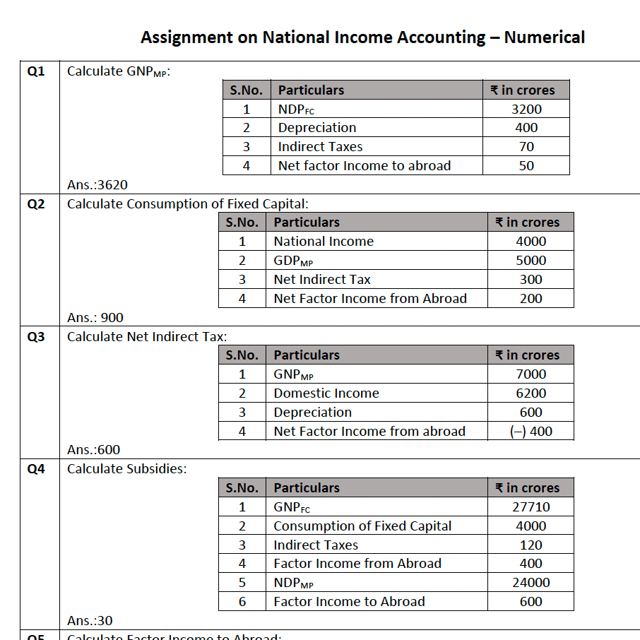
Commerce DU Preference Sheet (No Maths)
CUET Economics - Fill up and Match wale MCQS
100 MOST EXPECTED ASSERTION-REASON ECO BOARDS
Picture Based Competency Ques-ECO CLASS 12
CUET Economics Strategy - 1 Month
MICROECONOMICS IMP GRAPHS FOR CUET
Gemini Prompt Guide – Google Workspace 101
IED UNIT 1-Ultimate Ques Bank- class 12
Priority DM – Quick Guidance from Surbhi
DU Admission Guidance – Course + College Help
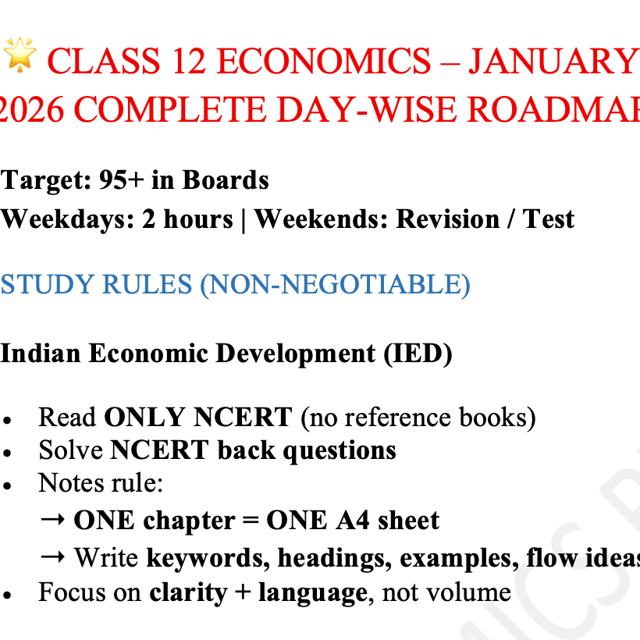
📘 95+ Economics Boards 2026 – Ultimate Timetable
Determination of Income & Employment (Boards 2027)
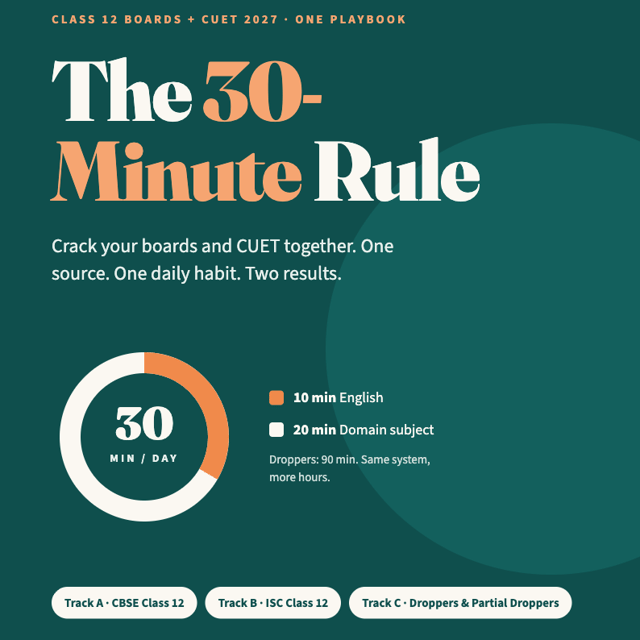
Crack Class 12 Boards + CUET 2027
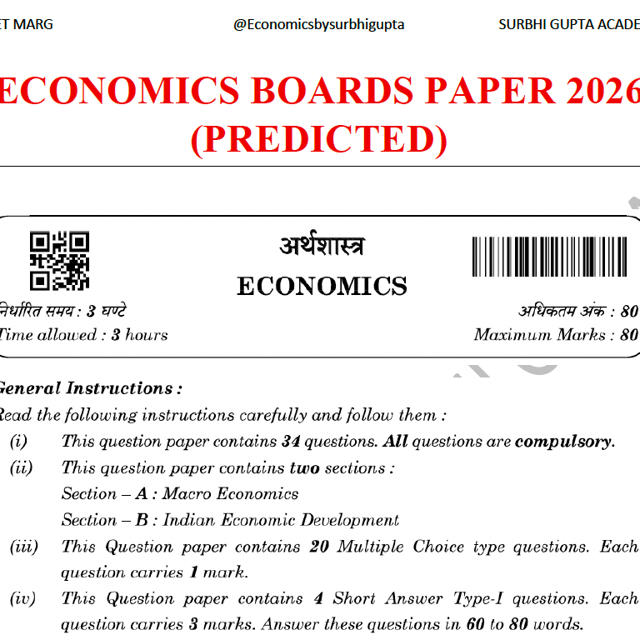

Future-Proof Career Skills – 2025 Guide (PDF)
IED- Most Imp Dates & Events - Class 12
Can You Check My Answer and Give Feedback?
Admission Guidance -Course & College Help - 45 Min
About me
- Surbhi Gupta is recognized for her patient, kind guidance and expertise, leaving students feeling confident and informed. Her dedication to their success is unparalleled.
 AI-generated based on testimonials
Frequently asked questions
How to prepare for CUET Economics?
Start with the NCERTs for Microeconomics, Macroeconomics and Indian Economic Development, since CUET questions are largely built on them. Then move to chapter-wise MCQs, full-length mocks and previous papers, and keep a separate sheet for graphs and numericals like national income. If your exam is close, follow a focused one-month plan that revises high-weightage units first and tests you daily with timed mock attempts.
What does the CUET Economics syllabus 2026 cover?
The CUET Economics paper draws from Class 12-level Microeconomics, Macroeconomics and Indian Economic Development — topics like consumer and producer equilibrium, forms of market, national income, money and banking, income determination, government budget, balance of payments, plus development-focused units. Always download the latest official syllabus and map each chapter before you start, since units and weightage can shift slightly year to year.
Where can I find the CUET Economics question paper and PYQs?
Previous-year papers are released by NTA and are also available as compiled sets on popular practice platforms. Solve at least one full CUET Economics question paper every week under timed conditions — each CUET Economics PYQ shows how heavily the paper leans on assertion–reason and statement-based MCQs, which is exactly the pattern you should practise.
What is Business Economics in CUET?
Business Economics is the alternate name used for the Economics domain subject in CUET, and it tests Class 12-level micro, macro and Indian economic development through MCQs. When filling the CUET form, choose it as a domain subject if your target programme — like Economics (Hons), B.Com (Hons) or similar degrees — requires it.
How to study Class 12 Economics?
Treat Micro and Macro differently: Micro needs daily diagram practice (consumer equilibrium, cost curves, market forms), while Macro is more about national income identities, money and banking, and budget concepts. Read the NCERT line by line, make one-page notes per chapter, and finish every unit with numericals and board-style questions so concepts convert into marks.
How to study Economics for the board exam?
Work backwards from the syllabus and sample paper: note each chapter's weightage, then build a timetable that cycles NCERT revision, diagram practice and past papers. From a couple of months out, attempt one full paper a week in exam conditions and check it against the marking scheme — that is the fastest way to push a 75–80 score into the 95+ zone.
How to write the Economics paper in the board exam?
Structure every answer around the marking scheme — define the key term, draw the relevant diagram, explain it in two or three lines, and close with the conclusion the question demands. Use point-wise presentation with subheadings, underline key terms, and attempt your strongest questions first; most students lose marks to presentation and time management, not weak concepts.
Is the Economics board exam hard?
The paper is generally moderate, but recent years have included more competency-based and application-style questions, so pure rote learning no longer works. If you know your NCERT, diagrams and numericals well and have practised previous-year and sample papers, the exam is very scoreable — plenty of students cross 95.
Does Economics have a board exam?
Yes — Economics is a full subject in the Class 12 board exams of CBSE and ISC, with its own theory paper plus project/internal assessment. In Class 10, Economics is not a separate board subject; it appears only as a part of Social Science.
When is the Economics board exam in 2026?
The Economics board exam date 2026 will be confirmed only when CBSE and ISC release their date sheets, typically ahead of the February–April exam window. Instead of waiting for the date, plan backwards from it — note the papers scheduled around Economics and lock a revision timetable so the final week goes into mocks and quick revision, not first-time study.
Where can I get the Economics board exam 2026 question paper?
The actual paper is available only after the exam, but before that your best substitutes are official board sample papers, previous-year papers (the 2024 and 2025 sets are ideal) and well-made predicted papers that follow the latest blueprint and competency-question pattern. Practising these under timed conditions gives you a very close picture of the real thing.
What does the Class 12 Economics syllabus 2026-27 include?
In CBSE, the subject is split into Introductory Microeconomics (introduction, consumer's equilibrium and demand, producer behaviour and supply, forms of market) and Introductory Macroeconomics (national income, money and banking, income determination, government budget, balance of payments), along with a project. Always download the current curriculum from the board website, since chapters and weightage are revised from time to time.
Where can I download the Class 12 Economics book PDF?
The NCERT texts — Introductory Microeconomics, Introductory Macroeconomics and Indian Economic Development — are the standard books, and free PDFs are available on NCERT's official platform. For revision, many students also use highlighted or annotated NCERT PDFs that mark the exam-important lines, which saves a lot of time close to the exam.
How do I build my DU college preference list?
Order your program-and-college combinations by genuine interest first and expected score second, because DU allots you the highest preference you clear, so every entry should be a seat you would actually accept. Study the previous year's closing scores for the colleges on your radar, keep a mix of ambitious, safe and backup options, and double-check eligibility details before locking the list.
How to prepare Economics for CA Foundation?
CA Foundation's Business Economics paper rewards concept clarity over memorisation — focus on demand and supply elasticity, production and cost, price determination across market forms, and business cycles. Combine the ICAI study material with MCQ practice after every chapter and revise theory through short notes, since the paper is fully objective.