Testimonials
Services
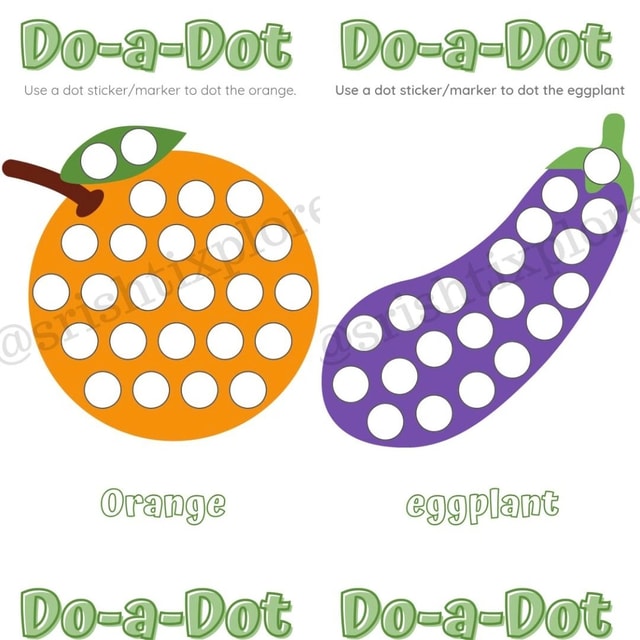
Dot sticker activity for Pre writing skills
Daily Observation & Checklist Activity Pack
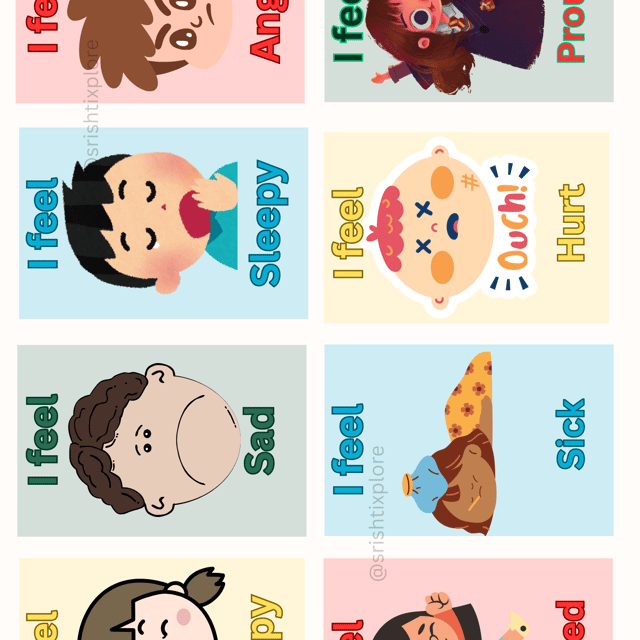
Month 1-Early Learning Activity Pack

About me
Frequently asked questions
What are pre writing activities for preschoolers?
Pre writing activities for preschoolers are simple, play-based exercises that build the finger strength, hand-eye coordination, and pencil control a child needs before formally writing letters and numbers. Common examples include peeling and placing dot stickers, tracing standing and sleeping lines, threading beads, tearing and crumpling paper, and pinching playdough. Doing these regularly between ages 2.5 and 4 makes actual writing much easier later.
What are the five pre-writing activities?
Five pre writing activities for kids that early educators recommend most are: (1) dot sticker activities — peeling and placing stickers along a line, (2) line and pattern tracing with crayons, (3) playdough rolling, pinching, and shaping, (4) paper tearing, crumpling, and pasting, and (5) transferring objects with a spoon or tweezers. Each of these strengthens the small hand muscles used for holding a pencil. Keep sessions short — 10 to 15 minutes is enough at this age.
What pre writing activities for 2 year olds can I start with?
For 2 year olds, start with the simplest pre writing activities: thick crayon scribbling on large paper, peeling stickers and sticking them inside circles, finger painting, and dropping pom-poms into containers. Don't expect proper tracing at this age — the goal is simply to strengthen little fingers and get your child comfortable making marks. Even 10 minutes a day builds a strong base for writing later.
Which pre writing activities for 3 year olds prepare a child for nursery?
At 3, children can handle slightly structured work: tracing vertical, horizontal, zig-zag, and curved lines, tracing basic shapes, simple mazes, and copying patterns with dot stickers. These double well as pre writing activities for nursery, since most nursery teachers expect children to already hold a crayon correctly and follow a line. Practising three or four patterns a week is usually enough.
Where can I find a pre writing activities PDF free download?
Several parenting blogs and teacher-resource sites offer a pre writing activities PDF free download with basic line tracing and pattern sheets. Free files are fine to start with, but they are usually random worksheets — if you want a proper sequence, structured printable packs like the dot sticker pre-writing activity on Srishtixplore's Topmate page are designed to be printed and reused week after week.
Are pre writing activities worksheets necessary, or is hands-on play enough?
Pre writing activities worksheets are useful for tracing practice, but they shouldn't replace hands-on play. Tearing paper, squeezing playdough, and peeling stickers build grip strength in a way colouring alone cannot. A good balance for a toddler is one tracing sheet a day plus one or two tactile activities.
How do I start Montessori toddler activities at home?
You don't need expensive materials to begin Montessori toddler activities at home. Set up a low shelf with 4–6 simple activities in trays or baskets — pouring, posting, matching, transferring — and rotate them every week or two. Demonstrate each activity slowly once, then let your toddler repeat it independently, since repetition is the heart of the Montessori method.
Which Montessori toddler activities for 2 year olds keep a child engaged the longest?
The Montessori toddler activities for 2 year olds that hold attention best are practical, real-life tasks: wiping a table, transferring water with a small jug, posting objects into a box, matching cards, and simple puzzles. Two year olds love doing "grown-up" work, so child-sized real tools keep them busy far longer than loud, flashing toys — and they build concentration at the same time.
What are Montessori practical life activities for toddlers?
Montessori practical life activities for toddlers are everyday tasks scaled down to a child's size — pouring water, spooning beans, folding cloths, washing hands, and helping set the table. They look simple, but they develop focus, order, independence, and hand control. Practical life is usually the best starting point for any toddler who is new to Montessori at home.
What Montessori baby activities can I do at home?
Easy Montessori baby activities you can set up at home include an object permanence box, treasure baskets filled with safe household items, high-contrast image cards, grasping rings, and plenty of unhurried floor time on a mat. The idea is to offer fewer, purposeful materials and let your baby explore each one deeply instead of surrounding them with too many toys.
Where can I download a Montessori toddler activities PDF?
You can find a Montessori toddler activities PDF on parenting blogs and Montessori teacher websites. If you'd rather follow an organised plan than collect loose sheets, India-based early learning creators such as Srishtixplore offer month-wise activity packs you can download, print, and work through at home.
Where can I find free toddler learning activities that are printable?
Searching for free toddler learning activities turns up plenty of printable matching cards, colour sorts, counting sheets, and flashcards on parenting sites. Free printables are great for testing what your child enjoys; once you know what clicks, structured toddler learning activities printable packs — like week-wise alphabet or theme packs — save you the weekly prep of piecing sheets together yourself.
How can I teach my toddler body parts at home?
The easiest way is through songs and touch — "Head, Shoulders, Knees and Toes", pointing to your nose, naming parts during bath time, and mirror play. For older toddlers, printed picture cards of body parts and body organs take learning a step further, from "eyes and ears" to what's inside the body. A few minutes of naming games daily works better than one long session.
At what age should I start teaching my toddler the alphabet?
Most children are ready to start recognising letters between 2 and 3 years — not through flashcard drills, but through gentle exposure: alphabet picture vocabulary cards, letter sheets stuck on the wall, and pointing out letters in daily life. At this stage the goal is familiarising your child with letters and their sounds, not writing them. Wall-mounted alphabet sheets work especially well because toddlers revisit and read them on their own.
How do I plan a weekly lesson plan for my toddler at home?
Keep it simple: pick one theme for the week — colours, animals, body parts, a letter — and plan two or three short toddler learning activities at home around it each day, ideally one gross motor, one fine motor or pre-writing, and one language or rhyme activity. Repeat the same activities through the week, because toddlers learn through repetition. If planning feels overwhelming, a ready-made weekly lesson plan from an early learning creator gives you a done-for-you structure to follow.