Testimonials
Services

Java+Selenium
Mock Interview

Selenium Full Material
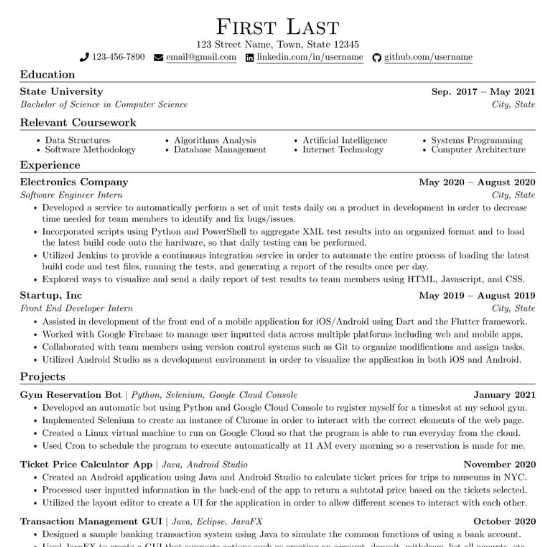
Resume Review
Career Guidance
About me
- Join My WhatsApp Channel For Daily Job Updateshttps://whatsapp.com/channel/0029VbAkWr06WaKj84dqzz0F

- Join my Telegram Channelhttps://t.me/Software_Testing_Trend

Frequently asked questions
How to start Selenium automation testing as a complete beginner?
Begin with manual testing basics — SDLC, STLC, writing test cases and the bug life cycle — then pick one language, ideally Java, since most QA openings in India use it. Learn core Java (OOPs, collections, exception handling), then move to Selenium WebDriver: locators, XPath, waits, and handling dropdowns, frames, alerts and multiple windows. Finish with TestNG, Maven and the Page Object Model, and practise on demo e-commerce or booking sites. One to two hours of daily hands-on practice for three to four months is enough to become job-ready.
How to learn Selenium with Java, and how long does it take?
Follow this sequence: two to three weeks of core Java, four to six weeks of Selenium WebDriver with daily practice, then two weeks each for TestNG, Maven and framework design using the Page Object Model. With one to two hours of practice a day, most beginners become interview-ready in three to four months. Don't just watch videos — type every script yourself, and once the basics are done, automate a real workflow like login, search and checkout as a mini project.
What is Selenium WebDriver with Java, and why is it so widely used?
Selenium WebDriver is the core component of Selenium that automatically controls a real browser — clicking, typing, navigating and reading pages like a user would. "Selenium WebDriver with Java" simply means writing these automation scripts in Java. It is widely used because Java is stable, object-oriented, backed by strong testing frameworks like TestNG, and preferred by most Indian IT services companies and MNCs, which means the largest number of jobs and community resources exist for this combination.
What is Selenium used for in automation testing?
Selenium is used to automate web applications — repeating tasks like logging in, filling forms, navigating menus and validating page content across Chrome, Firefox, Edge and other browsers. Teams use it for regression suites, smoke tests, cross-browser testing and data-driven testing so manual effort drops with every release. Note its limits: Selenium handles only web UIs, so API testing needs tools like Postman or Rest Assured, and mobile app testing needs Appium.
Which language should I learn for Selenium — Java, Python, or JavaScript?
For employability in India, Java is still the safest bet because the largest share of QA openings ask for it. Selenium automation testing with Python has simpler syntax and is growing fast, but fresher-level openings are fewer compared to Java. Selenium with JavaScript is mostly used by teams working on React or Node stacks and remains niche in Indian testing jobs, so choose it only if you are targeting such product companies. If you are confused, start with Java — you can always add another language later.
Which Selenium automation testing interview questions are asked the most?
The most frequently asked Selenium automation testing interview questions cover locator strategies and writing robust XPath, the difference between findElement and findElements, implicit vs explicit waits, handling dropdowns, alerts, frames and multiple windows, the Actions class, TestNG annotations and assertions, the Page Object Model, data-driven and hybrid frameworks, the stale element exception, and basic Git, Maven and Jenkins usage. Many interviews also include a live coding round where you automate a small scenario, so practise writing code rather than only reading answers.
What Selenium with Java interview questions do interviewers commonly ask?
Along with Selenium, expect core Java questions: OOPs concepts with real-time examples, String programs like reversing a word or counting characters, Collections such as ArrayList vs HashMap, exception handling, abstract class vs interface, and overloading vs overriding. Interviewers often ask you to write Selenium code in Java, such as an explicit wait, a POM class or a reusable method for handling dropdowns. Since most automation roles in India run on Java, weak Java basics are the most common reason candidates get rejected.
What are the most common software testing interview questions for freshers?
Freshers are usually asked to define software testing and its principles, explain SDLC and STLC, verification vs validation, black-box vs white-box testing, functional vs non-functional testing, test case vs test scenario, the bug life cycle, severity vs priority with examples, regression vs retesting, and smoke vs sanity testing. You should also be ready to write a sample test case for a login screen and answer basic SQL queries. Prepare answers with real examples, since interviewers check practical understanding, not just definitions.
How are software testing interview questions for experienced candidates different from fresher interviews?
Software testing interview questions for experienced testers (five to eight years) focus less on definitions and more on depth: how you designed an automation framework, why you chose particular tools, handling flaky tests, API and database validation, CI/CD integration, test estimation, defect triage and mentoring juniors. Expect scenario-based questions like how you would automate a new application from scratch or reduce regression cycle time. Your answers should include metrics and real examples from your own projects.
Is a Selenium automation testing tutorial enough to learn, or should I join a course?
A good Selenium automation testing tutorial — whether videos or documentation — will teach you concepts, but tutorials alone rarely make you job-ready. You still need hands-on practice: building a Maven + TestNG + Page Object Model framework, debugging failing scripts and using Git. Structured Selenium automation testing courses or mentor-led programs mainly add value through guided projects, doubt-solving and interview preparation, so choose one only if you need that structure. If you are self-learning, stick to one roadmap and build at least two small frameworks end to end.
What is SDLC in software testing, and why do interviewers ask about it?
SDLC (Software Development Life Cycle) is the end-to-end process of building software — requirement analysis, design, development, testing, deployment and maintenance. Interviewers ask this to check whether you understand where testing fits in each phase and how models like Waterfall and Agile handle it differently. Pair your answer with STLC, its testing-specific counterpart, and mention that in Agile, testing happens continuously alongside development — that instantly shows practical depth.
Where can I find a Selenium with Java notes PDF for quick revision?
You have two options: prepare your own concise notes from the official Selenium documentation and tutorials, which gives the best retention, or use ready-made revision material that experienced automation trainers publish as a Selenium with Java notes PDF, covering locators, waits, TestNG, Maven and framework design in one place. Ready-made notes are handy for last-minute interview revision, but re-type the code examples yourself — reading notes alone will not help in a live coding round.
How do I get Selenium automation testing jobs as a fresher in India?
Build a skill set of Java, Selenium WebDriver, TestNG, SQL and basic API testing, and upload at least two practice frameworks to GitHub. Create an ATS-friendly resume using keywords from real job descriptions, and keep your LinkedIn and Naukri profiles keyword-optimized because recruiters search terms like "Selenium WebDriver" and "TestNG". Apply consistently, ask QA professionals for referrals, and do a few mock interviews before the real ones — most fresher roles are won through visibility and referrals as much as through skills.
What SQL questions are asked in software testing interviews?
For testing roles, expect queries using SELECT with WHERE and ORDER BY, JOINs (especially INNER and LEFT), GROUP BY with HAVING, aggregate functions, subqueries, and scenarios like finding duplicate records or the second-highest salary. Concept questions usually cover DELETE vs TRUNCATE vs DROP, primary key vs foreign key, and why testers need SQL to validate backend data. Practise writing queries on sample databases, because many interviews make you solve them live.
What API testing interview questions should I prepare for as a tester?
Cover the fundamentals first: what API testing is, REST vs SOAP, HTTP methods (GET, POST, PUT, PATCH, DELETE), commonly used status codes like 200, 201, 400, 401, 404 and 500, and the difference between PUT and PATCH. Then go practical — how you would test an API in Postman, what you validate in a response (status code, headers, body, response time), and how authentication works with tokens. If you are moving into automation, also read up on Rest Assured, since it is the most-asked Java-based API automation tool in Indian interviews.