Testimonials
Services
🚀 ATS-Friendly Resume Creation
ATS Resume Review
🔥 Resume + LinkedIn Complete Job Search Package
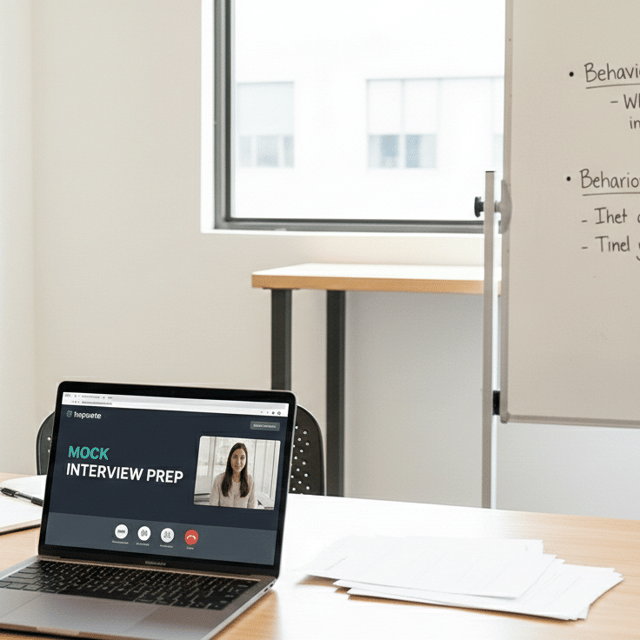
Brainstorm Anything 🚀
🔥LinkedIn Profile Optimization
Career guidance Valid till you get Job
Career guidance valid for 2 sessions
About me
- Her guidance was instrumental in my success at the Teachnook HR interview. She provided consistent, insightful support and boosted my confidence. I highly recommend herRecommended by Saathvik Sheerla on

- I highly recommend Mentor Sree Keerthana to anyone looking for a mentor who is knowledgeable, supportive, and truly invested in their growth.Recommended by Divya Bindu Dasari on
Frequently asked questions
What is career guidance and counselling, and who should consider it?
Career guidance and counselling is a structured process where an experienced professional helps you understand your strengths, explore suitable career paths, and make informed decisions about your next move. It is useful for freshers who feel lost after graduation, working professionals planning a switch or promotion, and anyone struggling with resumes, interviews, or direction. A good session ends with a clear, practical action plan based on your actual background — not generic advice.
What is career guidance for students, and when is the right time to start?
Career guidance for students helps them connect their education with real job market expectations, so career choices are not based on guesswork or peer pressure. The right time to start is the final year of college or even earlier, because you need time to build skills, projects, internships, and a strong resume. Early guidance also helps you decide between a job, higher studies, or a change of specialization with far more clarity.
How to get career counselling online in India?
If you are wondering how to get career counselling that actually fits your career stage, start by shortlisting mentors with real industry experience in your target field and check their profiles, reviews, and session formats. Many people still search for a "career guidance counselor near me", but online 1:1 sessions have made location irrelevant — you can share your resume and concerns beforehand, get a personalized plan, and book follow-ups from anywhere in India, usually at a lower cost than offline centres.
How to create a career development plan that actually works?
Start with an honest self-assessment — your current skills, role, and where you want to be in three to five years. Break the goal into yearly milestones, list the exact skills, tools, or certifications you are missing, and attach deadlines to each. Add measurable checkpoints such as certifications completed, projects delivered, or interviews cracked, and review the plan every quarter. That review loop is the real secret of how to create a career development plan you will actually follow.
What is the ATS resume full form?
The ATS resume full form is Applicant Tracking System — the software most companies use to collect, scan, and filter resumes before a human recruiter sees them. It parses your resume into fields like skills, experience, and education, then ranks you against the job description. If your file is not ATS-readable — for example, it uses tables, graphics, or unusual headings — it can get filtered out even when you are qualified, which is why ATS-friendly formatting has become a basic requirement in the job market.
What is an ATS resume format, and how is it different from a normal resume?
An ATS resume format is a simple, machine-readable layout: reverse-chronological order, standard section headings such as Summary, Skills, Work Experience, and Education, a single-column design, and no tables, text boxes, images, or icons. A normal designer-style resume often relies on columns, graphics, and creative layouts, which tracking software can misread or skip entirely. An ATS format also deliberately mirrors keywords from the job description so the software can match your profile to the role.
How to make an ATS resume that still stands out?
If you want to know how to make an ATS resume that impresses both software and recruiters, start with a clean single-column template and then focus on content: a short summary with your target role and years of experience, skills listed exactly as they appear in job descriptions, and achievement bullets in an "action + result" format with numbers — revenue, savings, efficiency, or users. Tailor keywords to each application, save the file as .docx or a simple PDF, and keep the design minimal so nothing breaks while parsing.
How does an ATS resume checker work, and what ATS resume score should you aim for?
An ATS resume checker imitates how tracking software parses your resume and rates it on keyword match with the job description, section headings, formatting, file type, and readability. Most tools show a percentage — an ATS resume score above roughly 75–80% is considered strong, while anything below 60% usually signals missing keywords or structural problems. Treat the score as a diagnostic: fix whatever it flags, but remember the final shortlisting decision is still made by a human recruiter.
Do you really need to buy an ATS resume template, or will a free one work?
You need an ATS-safe structure more than a specific template. Any ATS resume template with a single column, standard headings, and simple fonts will pass most tracking systems, so a free template is usually enough and paying rarely improves results. What actually decides shortlisting is the content inside — role-specific keywords and quantified achievements. If your current resume uses tables, multiple columns, or graphics, switching to an ATS-friendly layout matters far more than which template you picked.
What is LinkedIn profile optimization, and why does it matter for job seekers?
LinkedIn profile optimization is the process of structuring your headline, About section, experience, and skills around the keywords recruiters actually search for. Recruiters find candidates through LinkedIn search, so a vague headline or thin sections make you invisible for your own target roles even when you are qualified. A properly optimized profile gets more recruiter views, supports your resume during screening, and can bring inbound opportunities without you applying anywhere.
How do you optimize your LinkedIn profile step by step?
Start with the headline — go beyond your job title and add your domain, key skills, and value proposition. Rewrite the About section in first person around your strengths and achievements, use job-description keywords naturally in your experience section, add all relevant skills, and request recommendations from managers or clients. Use a professional photo, create a custom URL, and stay active by posting or commenting in your field. People often ask how do you optimize your LinkedIn profile without spending hours daily — the steps above, done properly once, cover most of the impact.
How to check LinkedIn profile optimization before you start applying for jobs?
The fastest way to check LinkedIn profile optimization is to search your target job title along with your city on LinkedIn and see whether your profile appears alongside other candidates — if it does not, your keywords are weak. Then view your profile as a recruiter and as a public visitor to check the headline, photo, and first three lines, confirm every section is complete, and ask whether a stranger would understand your value within five seconds. Fix these gaps before you start applying.
Are LinkedIn profile optimization services worth paying for?
If you are getting few recruiter views or no interview calls despite applying regularly, professional LinkedIn profile optimization services are usually worth it, because an expert can spot keyword gaps, weak positioning, and credibility issues you cannot see in your own profile. When comparing options, check the expert's industry background, exactly what the package covers — headline, About section, experience rewrite, keyword strategy — and client reviews. If your profile is already strong, a self-audit using the checklist above may be enough.
Is a mock interview really useful before an actual interview?
Yes — a mock interview is one of the highest-ROI steps in interview preparation. It recreates real pressure and exposes weak answers, rambling stories, low confidence, and gaps in your project explanations before a recruiter points them out. With honest feedback, you learn to structure answers using frameworks like STAR, handle "tell me about yourself" confidently, and speak about your work with data. One or two timed sessions with detailed feedback usually make the real interview feel familiar instead of frightening.
How do you handle salary negotiation without risking the offer?
Salary negotiation starts before the conversation — research the typical range for your role, experience level, and city on job portals and salary comparison websites so your expectation is grounded in data. Let the employer share a number first where possible, respond with a range backed by your skills and market data, and justify any increase with the specific value you bring rather than personal needs. Stay warm and collaborative, avoid ultimatums, and get the final agreed figure confirmed in writing.