Testimonials
Services
LOR Review (virtual)
Review Package 4 (SOP, Resume and LOR)
Review Package 3 (SOP, Resume and Cover Letter)
About me
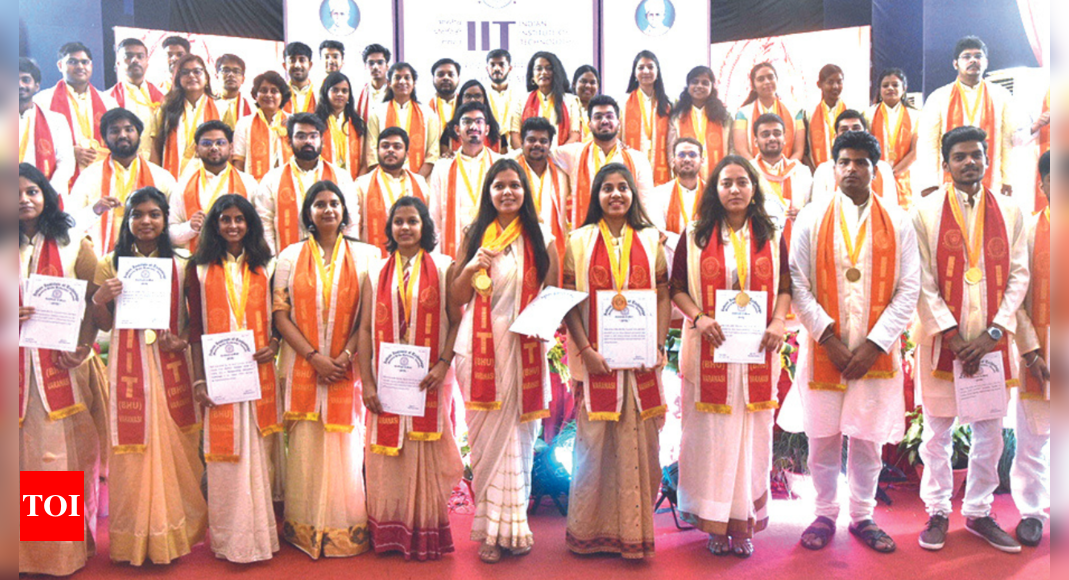
- Shloka Negi Bags 13 Medals at Iit(bhu) 11th Convocation | Varanasi News - Times of Indiahttps://timesofindia.indiatimes.com/city/varanasi/shloka-negi-bags-13-medalsat-iitbhu-11th-convocation/articleshow/94774510.cms
- High praise for Shloka's clear and helpful insights on studying abroad, noted for her patience and professionalism.
 AI-generated based on testimonials
Frequently asked questions
How to get PhD admission?
Getting PhD admission usually comes down to four things: a solid academic record, genuine research experience (projects, internships, or a publication), a clear statement of purpose, and strong letters of recommendation. Shortlist programs whose research direction matches your interests, reach out to professors whose work you admire, and prepare for written tests or interviews where required. Starting 10–12 months before your target intake gives you enough time to strengthen every part of the application.
How to get PhD admission in IIT?
For PhD admission in IITs, you generally need a master's degree in a relevant field (or a strong bachelor's for direct PhD routes) along with a valid score in exams like GATE, UGC-NET, or CSIR-NET, depending on the department. The process usually involves applying online, shortlisting professors whose research fits your interests, and clearing a written test and/or technical interview. Demonstrating real research depth — through your thesis, projects, or publications — matters most at the interview stage.
What are the PhD admission requirements?
PhD admission requirements typically include a relevant bachelor's or master's degree with good grades, proof of research aptitude such as projects, internships, or publications, a statement of purpose, two or three letters of recommendation, and an updated resume or CV. Universities abroad often additionally ask for English test scores like IELTS or TOEFL, and some programs consider GRE scores. Because requirements vary by country, university, and department, always verify them on the official program page before applying.
When should I start preparing for PhD admissions 2026?
For PhD admissions 2026, begin preparing around 10–12 months in advance, ideally by early-to-mid 2025. This leaves enough time to shortlist programs, contact professors, build or polish research experience, and prepare your SOP, resume, and LORs well before deadlines, which for most fall-intake programs abroad fall between December 2025 and February 2026. Institutes in India follow their own admission cycles, so track official notifications separately.
Can I apply for a PhD directly after bachelor's?
Yes — applying for a PhD directly after bachelor's is possible at many universities, especially in the US, and some Indian institutes including the IITs also offer a direct PhD route. What strengthens such an application is strong research exposure: internships, a substantive final-year project, and ideally a publication or conference presentation. If your research experience is still thin, a research internship or a master's degree first can be a smart stepping stone.
What is a statement of purpose for PhD applications?
A statement of purpose for PhD applications is a focused essay, usually 500–1,000 words, in which you explain your research interests, the experiences that shaped them, why that particular program or lab fits you, and your long-term goals. Admissions committees use it to judge your clarity of thought, motivation, and readiness for independent research. Think of it as the document that ties your transcript, resume, and recommendation letters into one coherent story.
How to write a statement of purpose?
When you write a statement of purpose, build it around one clear narrative: what sparked your interest, what you did about it through projects, internships, and coursework, and why the program you're applying to is the logical next step. Use specific examples instead of adjectives, and tailor every SOP to the department — generic essays are easy for committees to spot. After the first draft, rest, revise, and get feedback from someone who has successfully gone through the same process.
Is there a standard statement of purpose format?
There is no rigid statement of purpose format, but a widely used structure is: an opening that shows your motivation, two or three body paragraphs on your academic and research experience, a paragraph on why this specific program or lab, and a short conclusion about your goals. Most SOPs run between 500 and 1,000 words in simple, readable prose with a standard font and spacing. Whatever you do, respect the word or page limit the university specifies — exceeding it signals poor judgment.
Do I need a separate statement of purpose for internship applications?
Yes, in most cases. A statement of purpose for internship applications, especially research internships, should focus on why you want that specific role, what skills you bring, and how it connects to your academic goals — not your full life history. It is usually shorter than a grad-school SOP (around 250–500 words) and far more direct. Submitting your graduate-school SOP with minor edits is one of the most common and costly mistakes applicants make.
What are common graduate school interview questions?
Common graduate school interview questions include: walk me through your research, why this program or university, what are your strengths and weaknesses, where do you see yourself in five years, and how do you handle setbacks. Interviewers often dig deep into one project to check whether you truly understand your own work, so expect follow-up questions. Researching the faculty whose work overlaps with yours helps you answer the "why us" question convincingly.
How to answer graduate school interview questions?
To answer graduate school interview questions well, anchor every response in specifics — a concrete project, a real decision, a measurable result — rather than general claims. For research questions, be honest about the limits of what you know; interviewers value clarity far more than bluffing. Rehearse your answers out loud, ideally in a mock interview with someone who can push back with uncomfortable follow-ups, because speaking exposes gaps that silent preparation hides.
How do I build a strong research profile for PhD admissions?
A strong research profile for PhD admissions is built layer by layer: start with solid coursework and projects, move on to research internships or assistantships, work toward a paper or conference presentation, and document everything on a clean CV. Working consistently with one or two mentors produces more depth — and far stronger recommendation letters — than several short, shallow stints. Committees care more about depth and consistency than the sheer number of entries on your resume.
How can I get a funded research internship abroad after my bachelor's?
Start by listing funded research internship programs that match your field, noting their eligibility criteria and deadlines early, since most close applications months in advance. Then email professors whose work genuinely interests you with a short, specific message and a tailored resume, and prepare a crisp SOP explaining why that lab or project fits you. These positions are competitive, so applying to multiple programs in parallel and following up politely is completely normal.
What makes a strong letter of recommendation for graduate school?
A strong letter of recommendation for graduate school is specific and comparative: it describes concrete examples of your work, explains how you compare with other students the recommender has taught, and backs qualities like initiative and intellectual ability with evidence. Generic letters full of adjectives carry little weight. Choose recommenders who know your work closely rather than famous names who barely do, and share your resume, SOP, and project details with them so they can write with depth.
Do I need a cover letter for a PhD application?
It depends on where you are applying. US PhD applications typically rely on the statement of purpose, while many European positions, funded projects, and research-assistantship roles ask for a cover letter tailored to the specific project or professor. When one is required, keep it to a single page focused on why that research group fits you and what relevant experience you bring — a position-specific complement to your broader SOP.