Testimonials
Services
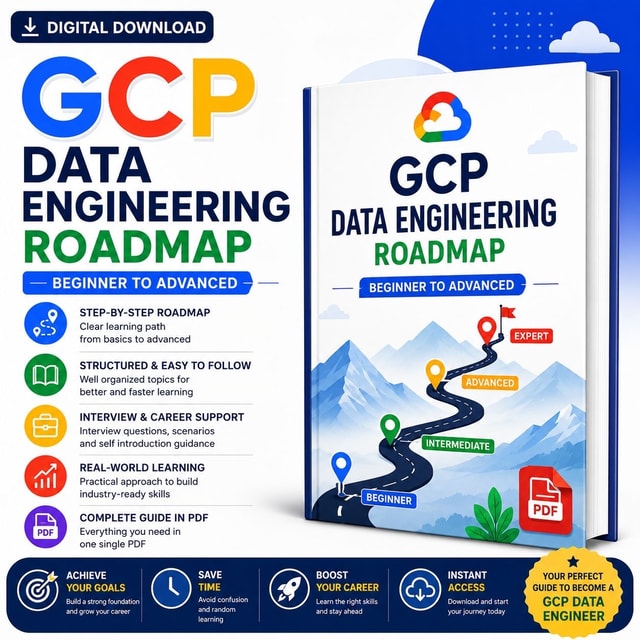
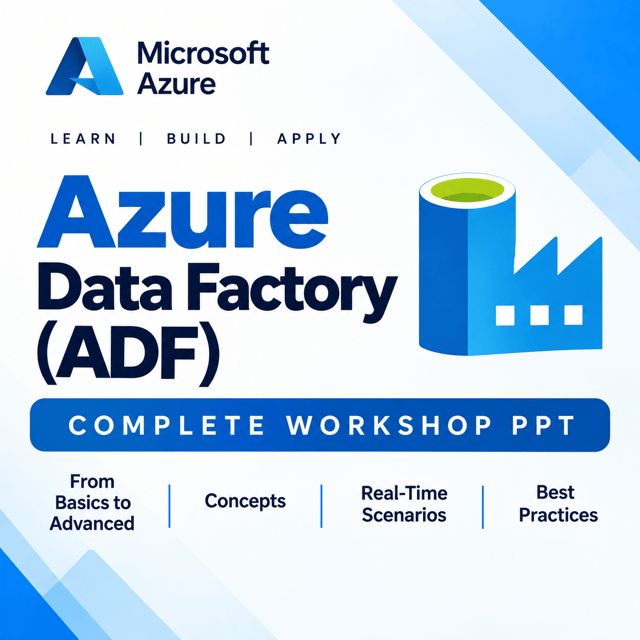
ADF Complete Notes | Workshop 2.0

Job Switch Strategy Session
Professional ATS-Friendly Resume Builder
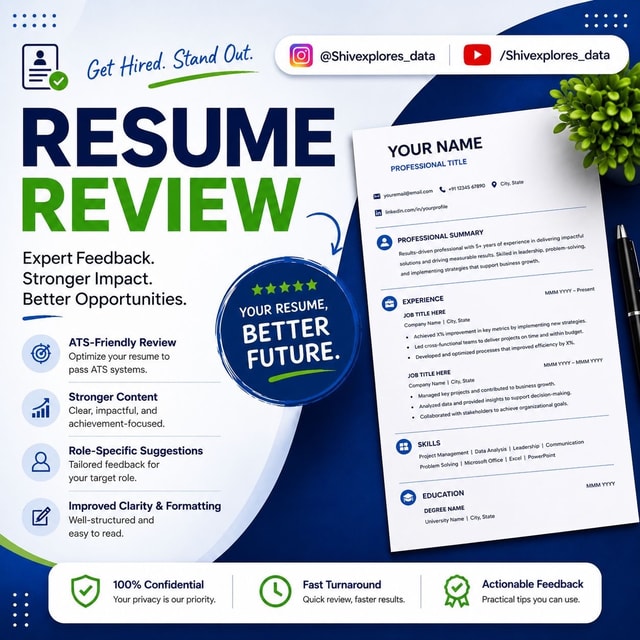
Azure/Data Engineering Resume Review + Feedback
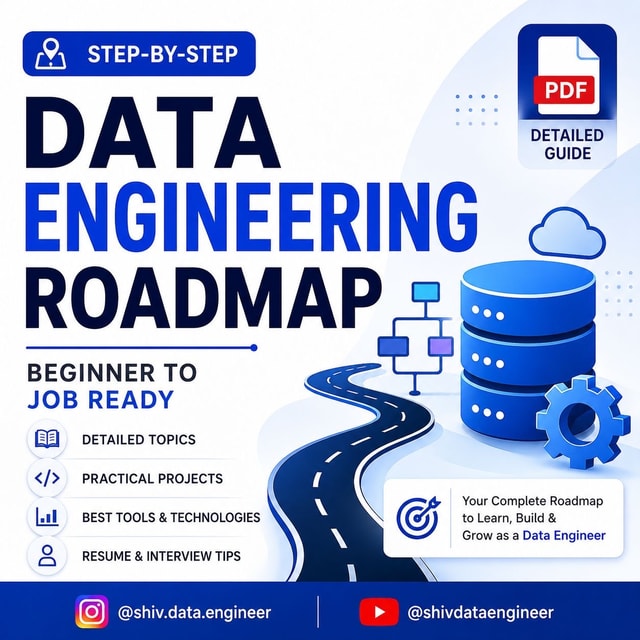
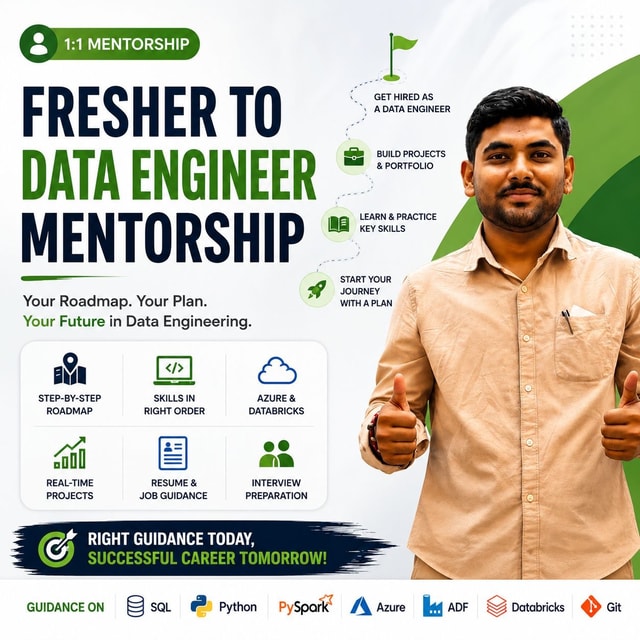
Fresher to Data Engineer Mentorship
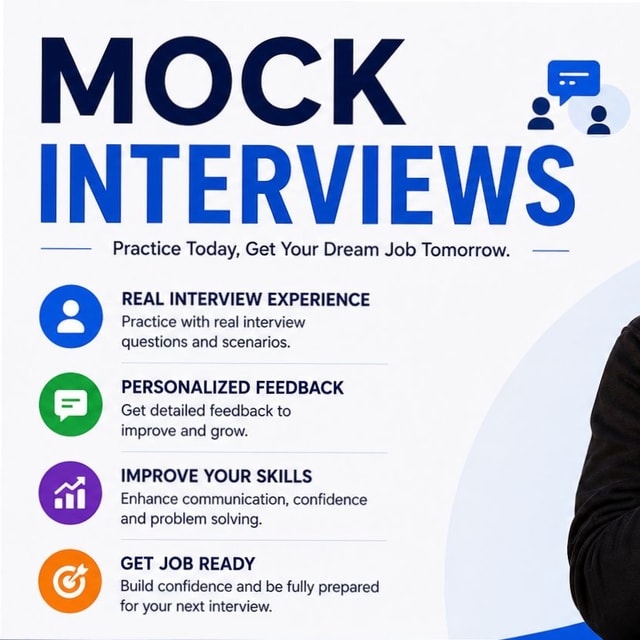
Get My Personal Advice

Azure Data Engineering Mentorship (1:1)
About me
- 20% of every rupee earned feeds underprivileged kids

- Shivkant K is an exceptional mentor known for his clarity, practical insights, and supportive guidance in data engineering.
 AI-generated based on testimonials
Frequently asked questions
How to become an Azure Data Engineer?
Start by building strong SQL and Python fundamentals, then move to core Azure data services such as Azure Data Factory for ingestion and orchestration, Databricks for transformation, and Azure Data Lake Storage. Build a few hands-on projects, follow a structured roadmap, and prepare for interviews alongside your learning. With consistent effort, most learners in India can become job-ready in around 4–6 months.
What are the best Azure Data Engineering courses for beginners?
Look for a course that covers SQL, Python, Azure Data Factory, Databricks, and data lake concepts with real hands-on projects rather than theory alone. Microsoft Learn offers free official learning paths, while instructor-led courses and live workshops are useful if you prefer structure and doubt-clearing. Always check that the course includes end-to-end project work and interview preparation.
What are some end-to-end Azure Data Engineering projects freshers can build?
Good beginner projects include ingesting CSV or API data into Azure Data Lake using Azure Data Factory, transforming it in Databricks, and loading it into Synapse for reporting. You can also build an incremental loading pipeline with watermarking, or a medallion (bronze–silver–gold) architecture project. Document each project on GitHub and LinkedIn so recruiters can see practical, real-world work.
What kind of Azure Data Engineering jobs can freshers get in India?
Freshers can target roles like Junior Data Engineer, Associate Data Engineer, ETL Developer, and Data Platform Engineer across IT services companies, GCCs, and product companies in hubs like Bengaluru, Hyderabad, Pune, Chennai, and NCR. Most of these roles expect strong SQL, Python, and working knowledge of Azure Data Factory and Databricks. Cloud data engineering roles are growing steadily as more Indian enterprises migrate to the cloud.
What is the data engineer salary in India?
Fresher data engineers in India typically earn around ₹4–7 LPA, while engineers with 3–6 years of experience can make roughly ₹10–20 LPA depending on skills and company. Professionals with strong Databricks, cloud, and streaming experience often command higher packages in product companies. Actual pay varies by city, company type, and depth of hands-on skills.
How to get the Azure Data Engineer certification?
Microsoft's current associate-level data engineering certification is DP-700 (Microsoft Certified: Fabric Data Engineer Associate), which succeeded the earlier DP-203 Azure Data Engineer certification. Prepare through the official Microsoft Learn path, practice in a hands-on Azure environment, and attempt practice tests before booking the exam online or at a test centre. Hands-on project experience makes passing and using the certification much easier.
Is there a separate Azure Data Factory certification?
No, there is no standalone Azure Data Factory certification. ADF concepts are covered as part of the broader data engineer associate certification, along with data storage, orchestration, and processing topics. So if you prepare for the Azure Data Engineer certification, you automatically cover Azure Data Factory.
What is Azure Data Factory and how does it work?
Azure Data Factory is a cloud-based data integration service used to ingest, transform, and orchestrate data at scale. It works through pipelines that contain activities, connected to datasets and linked services, with integration runtimes moving data between sources and triggers scheduling execution. It supports many connectors, so you can pull data from databases, files, and SaaS applications into a central platform.
What is Azure Data Factory used for?
Azure Data Factory is used to move data from multiple sources into a central data lake or warehouse, run scheduled and incremental loads, orchestrate transformations using services like Databricks, and migrate legacy on-premises data to the cloud. It acts as the backbone of most modern Azure data platforms by automating how data flows across systems.
Azure Data Factory vs Databricks: which one should I learn first?
They solve different problems — Azure Data Factory is a low-code tool for data movement and orchestration, while Databricks is a code-first platform built on Apache Spark for large-scale transformation and analytics. Start with Azure Data Factory since it is easier for beginners to grasp pipeline concepts, then go deep into Databricks. In real projects, both are used together, so eventually you need strong skills in each.
How to use Azure Data Factory to build your first data pipeline?
Create an Azure free account, set up a Data Factory instance, and build a simple pipeline using the Copy Data activity to move a CSV file from Blob Storage into a data lake or SQL database. Add a trigger for scheduling, then use the debug and monitoring views to check runs. Following a structured Azure Data Factory tutorial for this first pipeline helps, after which you can practice parameterization and incremental loads.
How to crack a data engineer interview?
Focus on SQL (joins, window functions, query optimization), Python or PySpark, data modeling, and one cloud platform like Azure with Data Factory and Databricks. Be ready to explain your projects end-to-end, solve live coding exercises, and take mock interviews to simulate real pressure. For product companies in India, also prepare for data system design and scenario-based questions.
What are the most common data engineer interview questions?
Expect SQL questions (finding duplicates, second-highest salary, window functions), Python and PySpark transformation problems, data modeling (fact vs dimension tables, SCD), batch vs streaming concepts, and questions on tools like Azure Data Factory and Spark internals. For Azure-focused roles, Azure Data Engineering interview questions typically also cover ADLS Gen2, Synapse, and pipeline design scenarios. Practicing answers out loud, not just reading them, makes a big difference.
How do I answer "Why do you want to be a data engineer?" in an interview?
Connect genuine interest with evidence — mention that you enjoy working with data at scale and building reliable systems, then back it up with concrete steps you have taken like learning SQL, Python, and Azure Data Factory, and building projects. Relate your answer to the company's data challenges and the impact a data engineer creates. Avoid generic answers about salary or job trends, since interviewers want to see curiosity and problem-solving intent.
How do I make my data engineer resume ATS-friendly?
Use a simple single-column layout with standard fonts and headings, avoiding tables and graphics that confuse ATS parsers. Mirror keywords from the job description naturally — such as Azure Data Factory, Databricks, SQL, PySpark, and ETL — and quantify impact wherever possible, like data volumes handled or load times reduced. Include a projects section with the tech stack used, and tailor the resume for each application instead of sending one generic version.