Testimonials
Services
11 AI Prompts for Scrum Masters
7 Metrics Every Scrum Master must know
Top 10 Interview Questions for Scrum Masters
Crack your Scrum Master Interview
Scrum Master (1-3 Years of Exp) Interview Question
Mock interview
1:1 Mentorship
FREE SCRUM MASTER INTERVIEW MASTERCLASS
Deloitte Interview Questions - Scrum master role
Direct Message
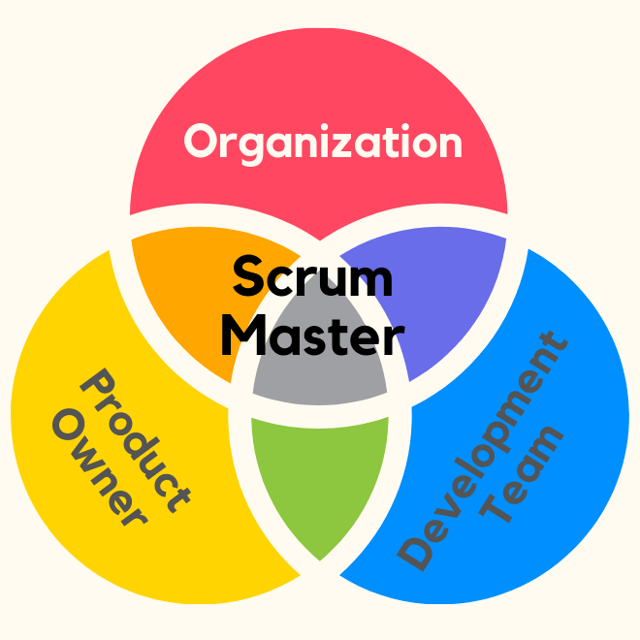
Basic plan to Transition into Scrum master role
Career guidance
Resume Building
About me
Frequently asked questions
How to crack a Scrum Master interview?
Cracking a Scrum Master interview comes down to three things: strong fundamentals, structured answers, and practice. Revise the Scrum Guide thoroughly since questions on events, artifacts, and accountabilities are almost guaranteed. Prepare scenario-based answers using the STAR method for questions on team conflicts, impediments, and stakeholder management. Learn key metrics like velocity, burndown charts, and sprint goal tracking, and do at least a few mock interviews before the real one, because confident delivery matters as much as correct answers.
How to get a Scrum Master job without experience?
It is possible, but you need to build proof of practical ability. Start by getting certified (CSM or PSM I) to establish credibility, then volunteer to facilitate stand-ups, retrospectives, or sprint planning in your current role, even informally. Join local Agile communities, rework your resume to highlight transferable skills like facilitation, coordination, and stakeholder communication, and apply for junior or associate Scrum Master roles. Since you lack a delivery track record, your interview performance carries extra weight, so invest heavily in mock interviews and scenario practice.
What are the most common Scrum Master interview questions and answers?
Frequently asked questions include: What is Scrum and how is it different from Waterfall? What is the difference between a Scrum Master and a Project Manager? What are the three Scrum artifacts? What is the purpose of the Daily Scrum? How do you handle a team member who is not cooperating? How do you deal with a scope change mid-sprint? Rather than memorizing answers word for word, prepare each one in your own words with a short real or realistic example, because interviewers in India increasingly probe for depth beyond textbook definitions.
How do I handle scenario-based Scrum Master interview questions?
Scenario-based questions are now standard in most Indian MNC and service-company interviews. Typical ones include handling a low-velocity sprint, resolving conflict between two developers, dealing with a Product Owner who keeps changing priorities, or managing pressure from management to commit to more work. Answer using a simple structure: state the Agile or Scrum principle involved, describe the action you would take, and finish with the expected outcome. Avoid purely bookish answers, as interviewers use these questions to test judgment, not memory.
Where can I find a good Scrum Master interview questions and answers PDF?
Plenty of free Scrum Master interview questions and answers PDF files are available online, but most are generic lists without model answers. A better approach is to build your own question bank from the job descriptions you are targeting, write out your answers, and get feedback through mock interviews. Curated PDFs shared by mentors or training communities that include explanations and sample answers are usually more useful than random downloads, because they show you how to structure a response, not just what the question is.
How should I plan my Scrum Master interview preparation?
Give yourself two to three weeks of focused Scrum Master interview preparation. In week one, master Scrum fundamentals, roles, events, artifacts, and common metrics. In week two, prepare scenario-based and behavioral questions with the STAR method, and tailor your resume around facilitation, impediment removal, and team delivery. In week three, research the company type, since product companies, service companies, and consulting firms interview differently, and finish with at least two or three mock interviews to build confidence.
How to answer Agile interview questions?
Anchor every response in Agile values and principles rather than just tools and ceremonies. Use a real example from your work wherever possible, acknowledge trade-offs honestly instead of claiming Agile always works, and avoid buzzword dumping. Most Agile interview questions and answers circulating online are generic and memorized, so interviewers immediately discount them; personalizing your answers with your own project experience is what makes you stand out.
How to start a career as a Scrum Master?
Start by understanding what the role actually involves: facilitating Scrum events, removing impediments, coaching teams, and communicating with stakeholders. Get trained and certified through CSM or PSM I, then practice facilitation skills in your current job, for example by running retrospectives or coordinating between teams. The easiest entry route in India is transitioning internally within your existing organization, so talk to Agile coaches or delivery managers there, build your LinkedIn presence around Agile topics, and prepare thoroughly for interviews before applying.
What should a Scrum Master do?
A Scrum Master facilitates all Scrum events, removes impediments blocking the team, coaches team members and the Product Owner on Agile practices, protects the team from external disruptions, and improves stakeholder communication. It is a servant-leadership role, not a people-management role; the Scrum Master does not assign tasks or own delivery decisions but builds an environment where the team can deliver high-quality work consistently. Tracking and improving team metrics like velocity and predictability is also a big part of the job.
What is the main reason for the Scrum Master to be at the Daily Scrum?
The Scrum Master attends the Daily Scrum to ensure the event takes place, stays within the 15-minute timebox, and that the team stays focused on progress toward the Sprint Goal. Importantly, the Daily Scrum belongs to the Developers; the Scrum Master is there to coach and observe, not to run it as a status-update meeting for management. This is a very common interview question, so be clear that the Scrum Master's role is facilitative rather than directive.
What jobs can you get with a Scrum Master certification?
A Scrum Master certification opens doors to roles like Scrum Master, Agile Project Manager, Delivery Lead, Iteration Manager, and, with the right domain knowledge, Product Owner. With several years of experience, it can lead to Agile Coach or Release Train Engineer positions. It also strengthens applications for business analyst, QA lead, and project coordinator roles in organizations adopting Agile, since hiring teams value certified candidates who understand Scrum practices.
How much does a Scrum Master make?
In India, entry-level Scrum Masters typically earn roughly ₹6–10 LPA, mid-level professionals with three to six years of experience commonly make around ₹12–20 LPA, and senior Scrum Masters or lead roles can go well above ₹20 LPA. Compensation varies significantly by city, with Bangalore, Hyderabad, Pune, and Gurugram generally paying more, as well as by company type, with product companies and large MNCs usually paying above service-based firms. Certifications like CSM and PSM II also positively influence salary negotiations.
What does a typical Scrum Master career path look like?
A common Scrum Master career path starts with junior or associate Scrum Master roles, progresses to Scrum Master and then Senior or Lead Scrum Master managing multiple teams, and can branch into Agile Coach or Release Train Engineer positions at scale. Scrum Master career growth can also move laterally into Product Owner, Delivery Manager, or Agile Program Management roles, especially in large Indian IT services and product companies. Consistent upskilling, advanced certifications, and strong facilitation and coaching skills accelerate each step.
Are remote Scrum Master careers possible in India?
Yes, remote Scrum Master careers are increasingly common, especially with global product companies and distributed teams hiring talent based in India. However, most fully remote roles prefer candidates with prior experience, since facilitation across time zones demands strong skills. For those starting out, hybrid roles at Indian MNCs are the most realistic entry point, and you can move toward fully remote positions once you have a proven delivery and facilitation track record.