Testimonials
Services
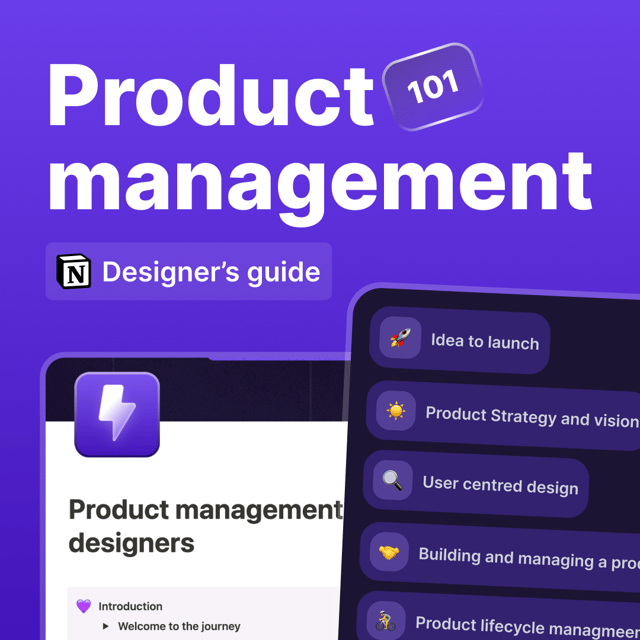
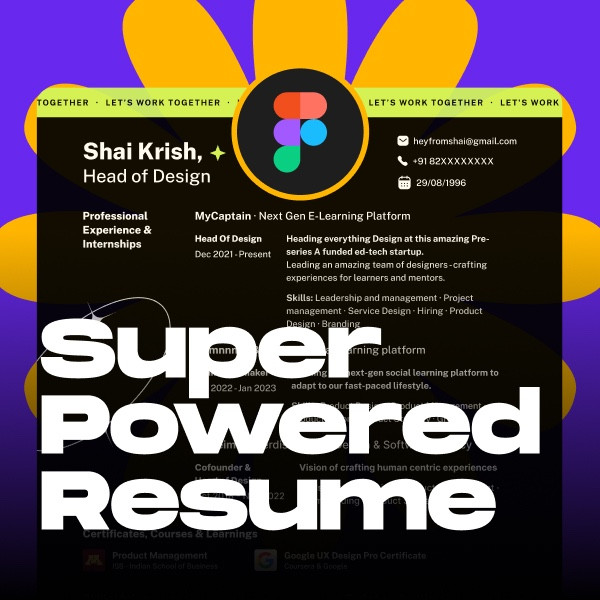
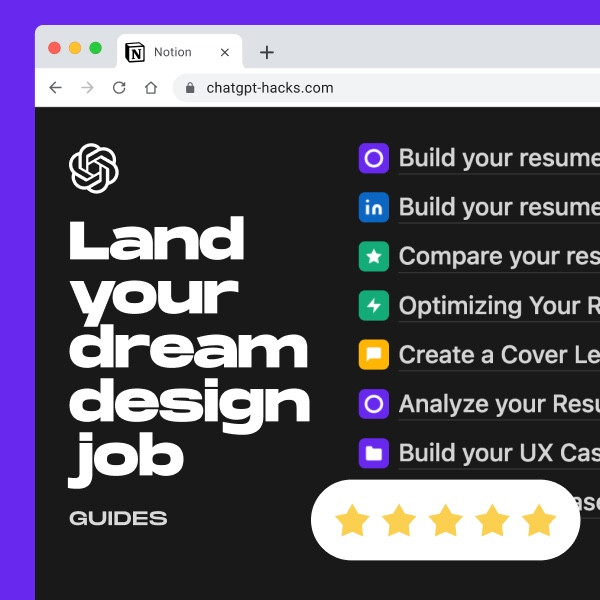
Land your Dream Design Job with ChatGPT
Resume & Portfolio review with Shai
About me
- Shai | Product Designer, Design-led Strategist: My Workshttps://shai.framer.website
Frequently asked questions
What is a UX design job, and how is it different from UI design?
A UX design job focuses on how a product works and how users feel while using it — research, user flows, wireframes, prototypes, usability testing, and working closely with product managers and developers. UI design handles the visual layer: colour, typography, spacing, and hierarchy. In India, many companies hire for combined roles titled UX/UI designer or product designer, so expect to demonstrate both, but your portfolio should show the thinking behind decisions, not just polished screens.
How to start a UI UX design career in India without a design degree?
Start with the fundamentals — design principles, the UX process, and a tool like Figma — through free or affordable courses. Then build 2–3 self-initiated case studies that show problem framing, research, iterations, and outcomes rather than just final screens. Support this with peer feedback, mentor guidance, and mock interviews; most Indian product companies and startups weigh a strong portfolio and clear thinking far more than a formal design degree.
Is UX design a good career in India right now?
Yes, if you build genuine product-thinking skills. The UX design career outlook in India remains strong because every digital product company needs design talent, but the bar has risen — companies now want designers who understand business outcomes, data, and AI-assisted workflows. Freshers should prepare for competitive entry-level hiring and stand out with real case studies and internship or freelance experience.
What is a realistic UX design career salary in India?
Entry-level packages are modest, but pay grows quickly once you move into product companies and senior roles. Your salary depends heavily on company type (product startups and global SaaS firms usually pay more than service agencies), your city, your specialisation, and the strength of your portfolio. Early on, optimise for roles with real product ownership — that is what compounds into significantly higher pay at the senior level.
What does a typical UX design career path look like in India?
Most designers progress from junior or fresher roles to product/UX designer, then senior designer, then lead or design manager, and eventually head of design. Along the way you can specialise in UX research, interaction design, or design systems, or pivot into product management, a common lateral move in India since the skills overlap. Growth is driven less by years of experience and more by the complexity of problems you have solved and the business impact you can show.
How to get a UX design job with no prior experience?
Build proof of work instead of waiting for experience: 2–3 in-depth case studies, a clean portfolio site, and a resume tailored with the right keywords. Add internships, freelance projects, or volunteer design work for startups or nonprofits to get real shipped work. Then network actively — referrals carry a lot of weight in Indian hiring — and rehearse with mock interviews before applying to product companies.
Do I need a UX design career coach, or can I learn everything on my own?
You can self-learn the craft, but a coach compresses the trial and error. A good UX design career coach gives honest portfolio feedback, runs mock interviews, helps you position your resume for the market, and tells you what hiring managers actually evaluate — things free tutorials rarely cover. Consider one if you have been applying without results, switching from another field, or stuck at a plateau; if you are disciplined and have strong peer feedback, self-learning plus design communities can also work.
Are paid design portfolio review services worth it before applying for jobs?
They can be, if the reviewer has real hiring or senior design experience. A genuinely useful UX design portfolio review goes beyond aesthetics — it questions your problem framing, the depth of your process, how you present outcomes, and whether your case studies match the roles you are targeting. Be wary of generic checklists; if you are getting rejections despite good work, a focused review often exposes the disconnect faster than another month of solo tweaking.
How to review a design portfolio yourself before sending it to recruiters?
Run the five-minute recruiter test: is your best case study visible within one scroll, does every project state the problem, your role, your process, and a measurable outcome, and does the site work well on mobile? Keep three deep case studies instead of eight shallow ones, cut stock exercises everyone submits, and proofread ruthlessly. If your case studies read like a story — context, decisions, trade-offs, impact — you are already ahead of most applicants.
What are the most common UX interview questions and answers asked at product companies?
Expect a mix of "walk me through a project" (structure it as problem, process, decisions, impact), questions on your design process, handling conflicting feedback, usability testing, and metrics, plus a live critique or whiteboard challenge. Instead of memorising answers, prepare two or three strong project stories with metrics and trade-offs you can adapt to different questions — interviewers consistently rate structured storytelling over rehearsed theory.
Which UX interview questions for freshers should I prepare for my first design interview?
Fresher rounds usually test fundamentals: UX versus UI, your design process, empathy maps and personas, heuristics, accessibility basics, and why you made specific choices in your portfolio projects. You will also face HR questions like why design and why this company. The biggest differentiator is defending every decision in your case study — interviewers deliberately push one or two "why" layers deep to check the work is genuinely yours.
How are UX interview questions for experienced designers different from fresher rounds?
UX interview questions for experienced designers focus less on definitions and more on outcomes: scaling design systems, managing stakeholders, driving metrics, mentoring juniors, and influencing product strategy without authority. Expect deep dives into the business impact of your work and behavioural questions about failure and leadership. Mid and senior candidates are also judged heavily on communication — how clearly you present trade-offs to non-designers often decides the offer.
What new UX interview questions for 2025 should I expect now that AI tools are everywhere?
Interviewers increasingly ask how you actually use AI in your workflow — tools like Figma AI, ChatGPT, or Lovable for rapid prototyping — and where your own judgment mattered versus what AI sped up. Some companies now give AI-assisted take-home challenges to test speed with quality. Be ready with a case study where AI was part of your process, and for the flip side: what you refuse to delegate to AI and how you avoid generic, AI-looking design.
How to use AI for interview questions practice without sounding rehearsed?
Use ChatGPT to generate a likely question list from the job description, draft first-pass answers, and refine them into bullet-point story outlines rather than full scripts. Practise speaking them out loud or record yourself so the phrasing stays natural, and ask the AI to play interviewer with follow-up questions. Recruiters spot memorised answers instantly, so the goal is organised thinking, not polished paragraphs you recite.