Testimonials
Services
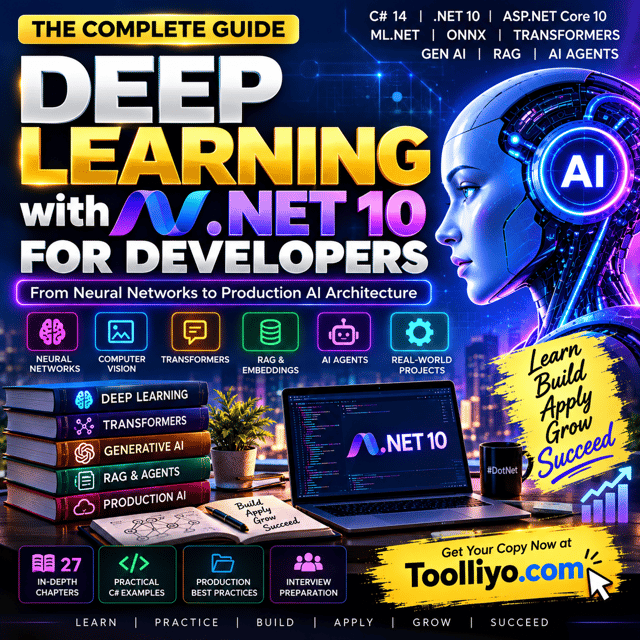
Deep Learning with .NET 10 for Developers

800+ Scenario-Based Interview Q&A for Senior Devs
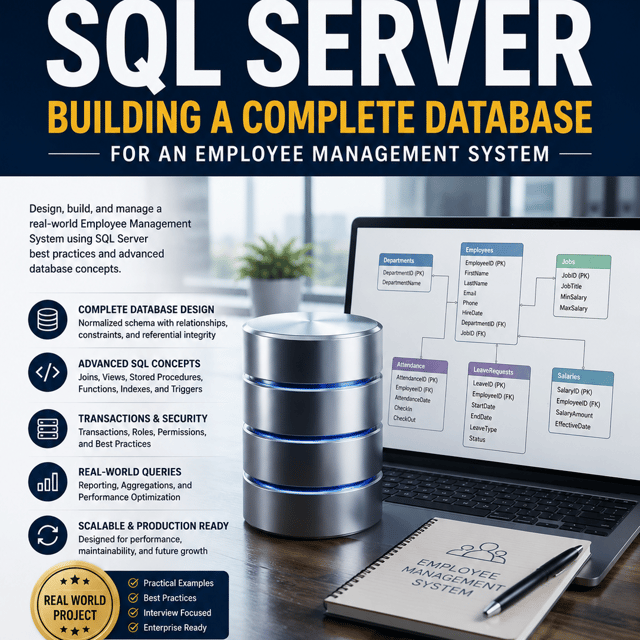
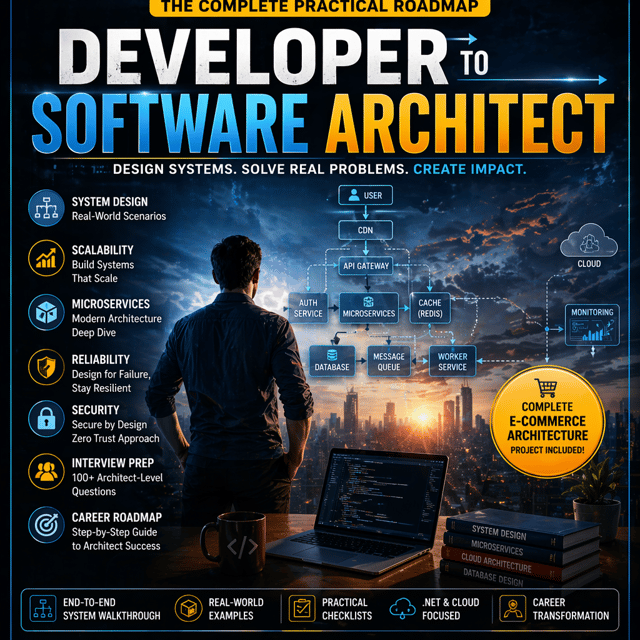
Developer to Software Architect Roadmap
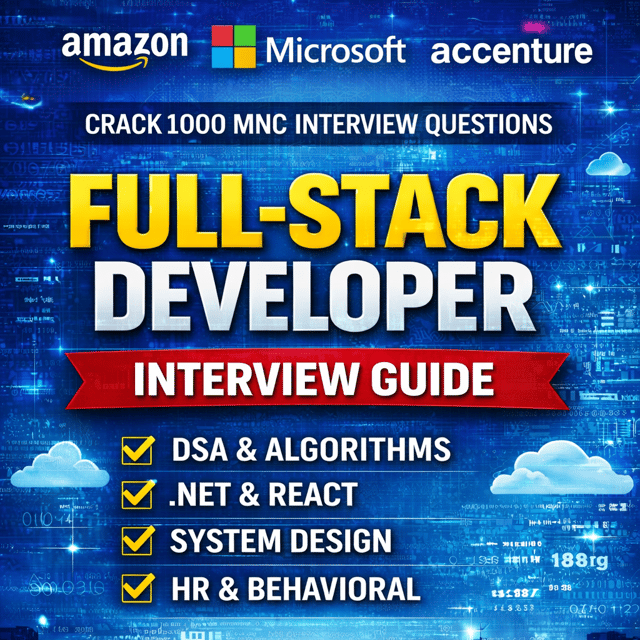
Crack MNC Full-Stack Interviews with 1000 Q&A

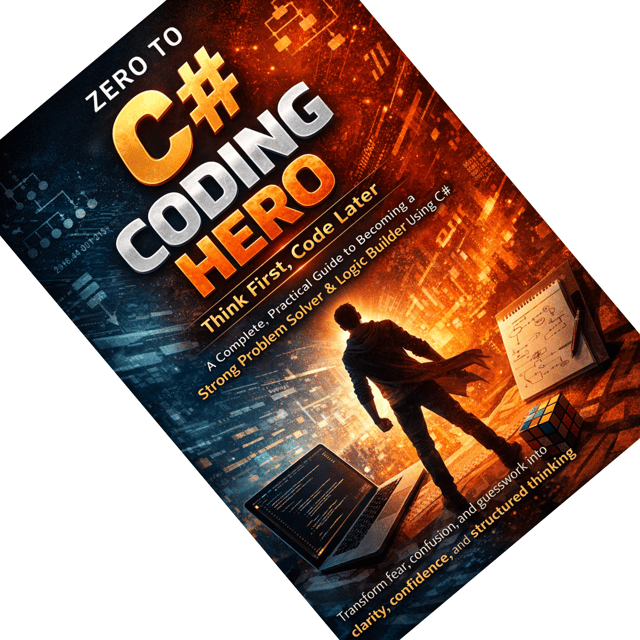
Think First,Code Later – Master Problem Solving C#
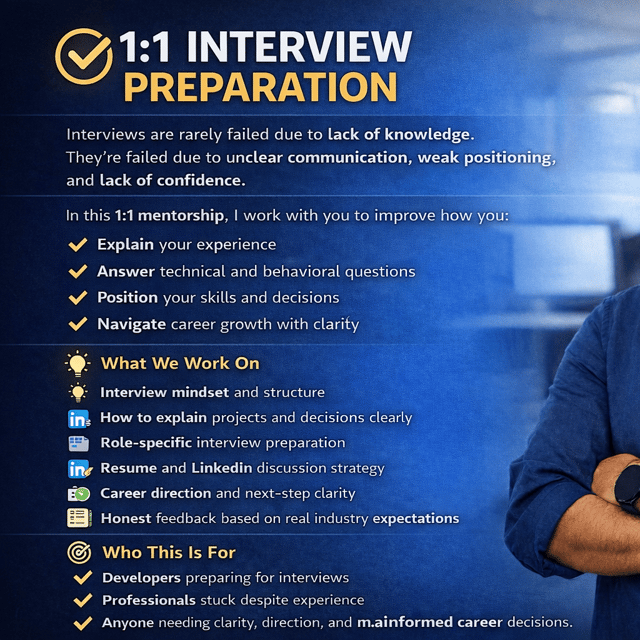
Career & Interview Mentorship for Developers
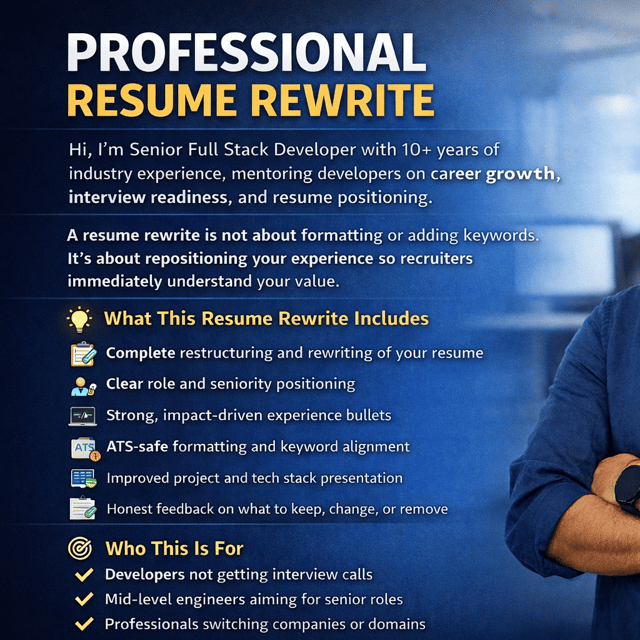
Professional Resume Rewrite for Developers
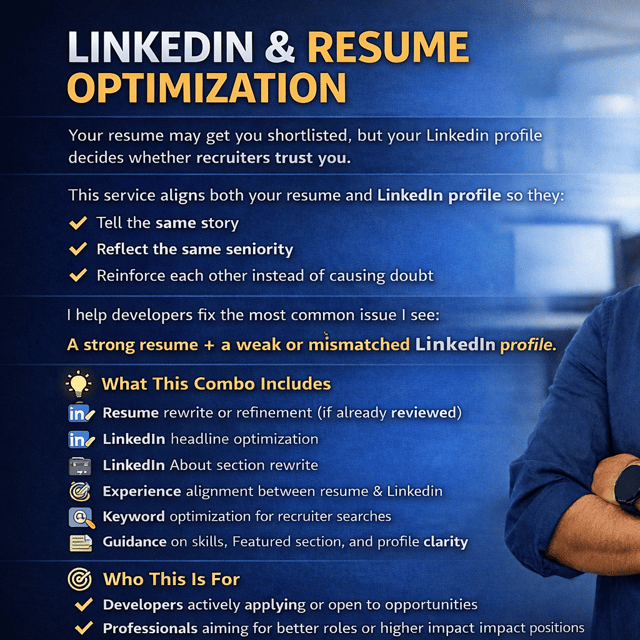
Resume + LinkedIn Career Positioning

Full-Stack .NET Interview Roadmap :ASP.NET + React
Mastering TypeScript: Beginner to Advanced Guide
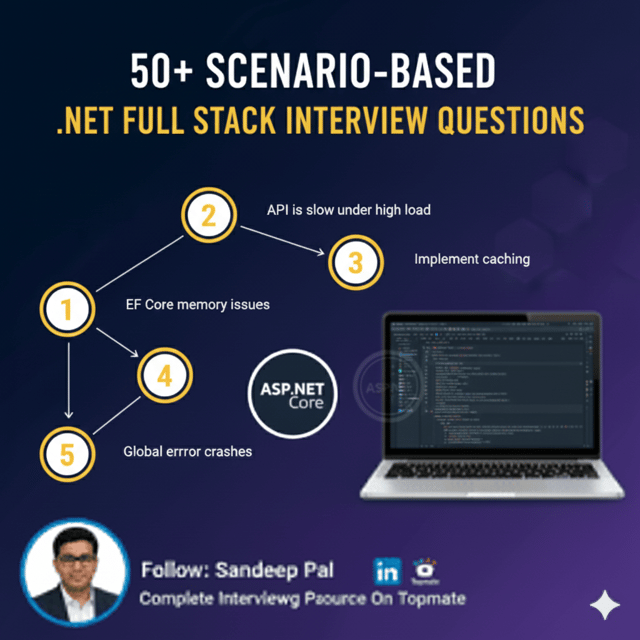
50+ Scenario-Based .NET Full Stack Questions
Top 40 Interview Questions: Dependency Injections
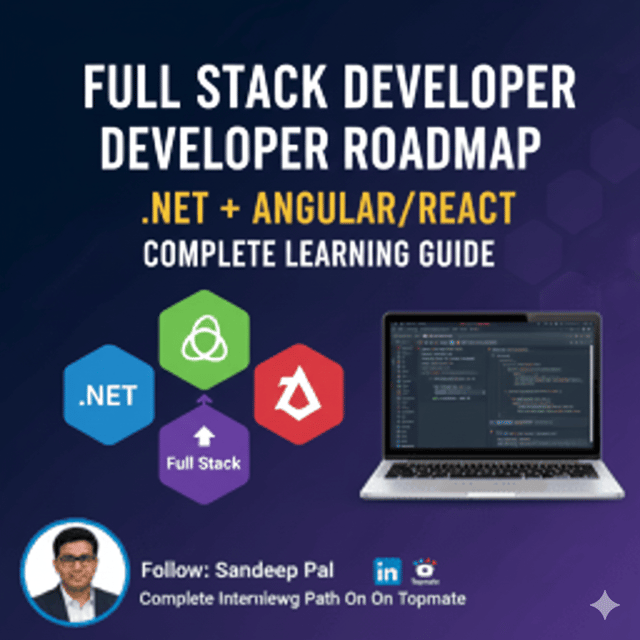
Full Stack Developer Roadmap: .NET + Angular/React
Interview prep and tips
Quick chat
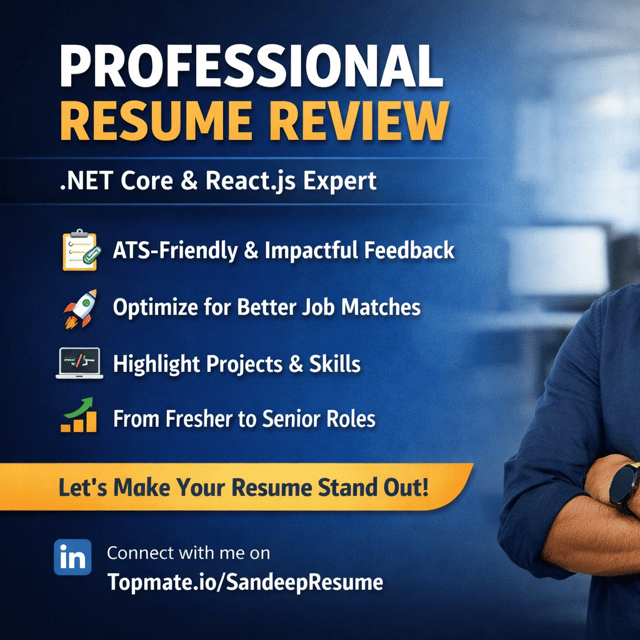
Expert resume review for IT Developers
Priority DM – Quick Help & Guidance
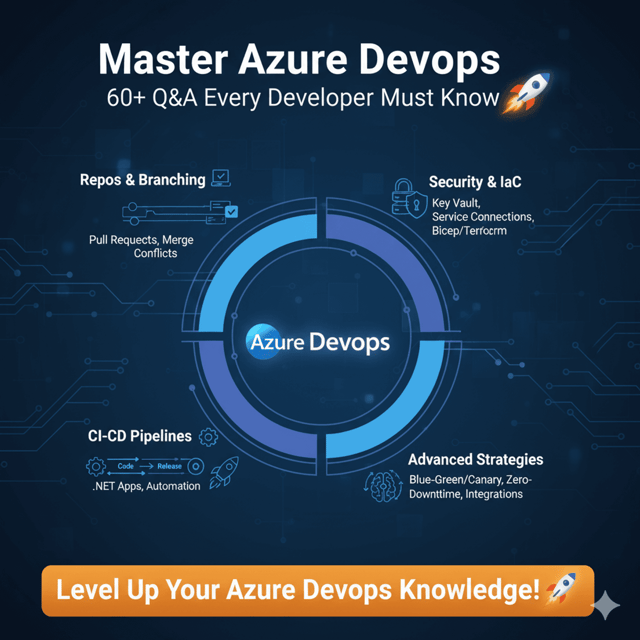
Azure DevOps Guide — 60+ Real-World Q&A for CI/CD
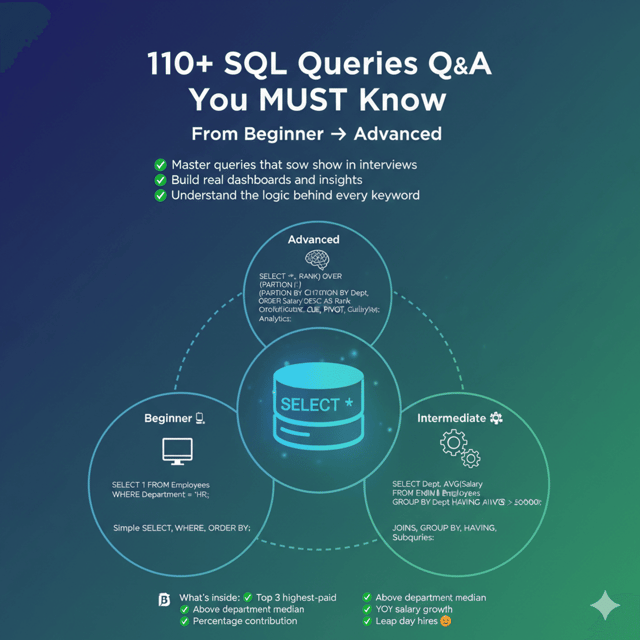
110+ Essential SQL Queries You Must Know
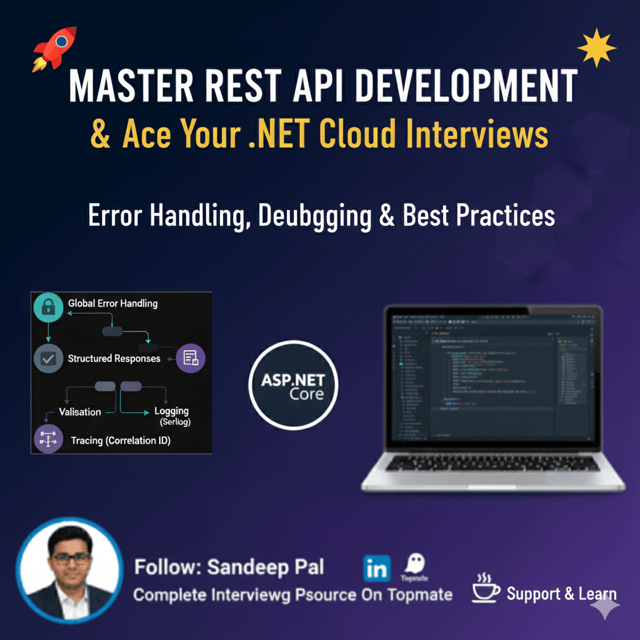
REST API Error Handling & Debug: Interview Q&A
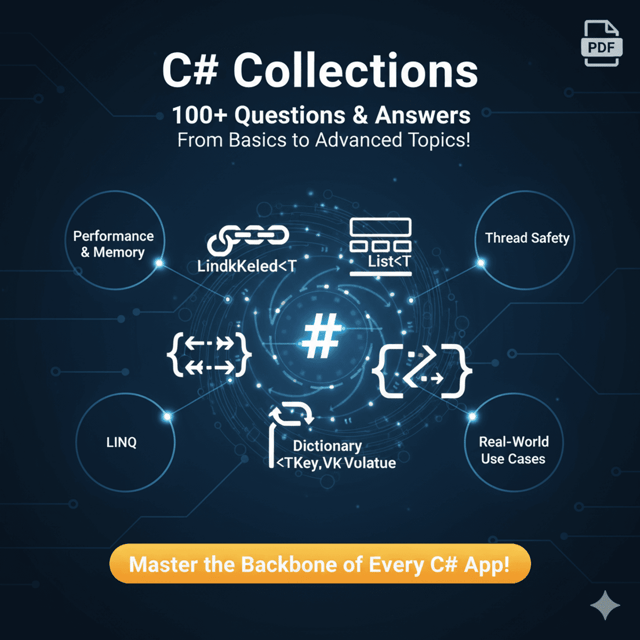
Ultimate C# Collections : 100+ Q&A for Interviews
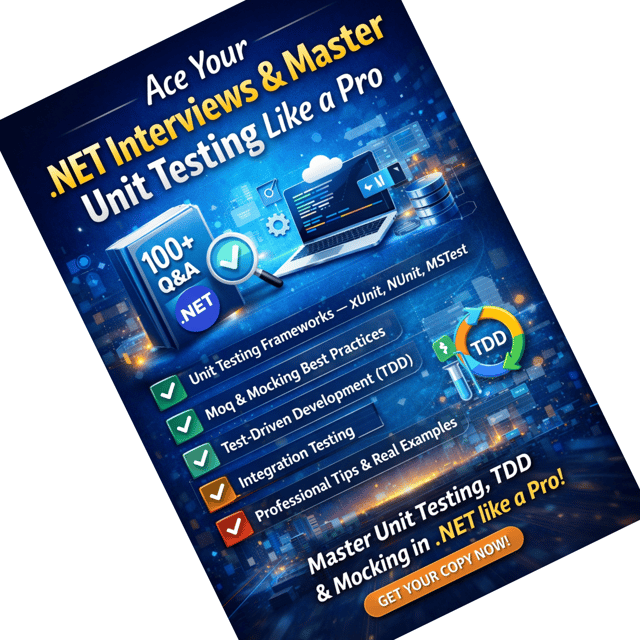
Master .NET Unit Testing: 100+ Interview Questions
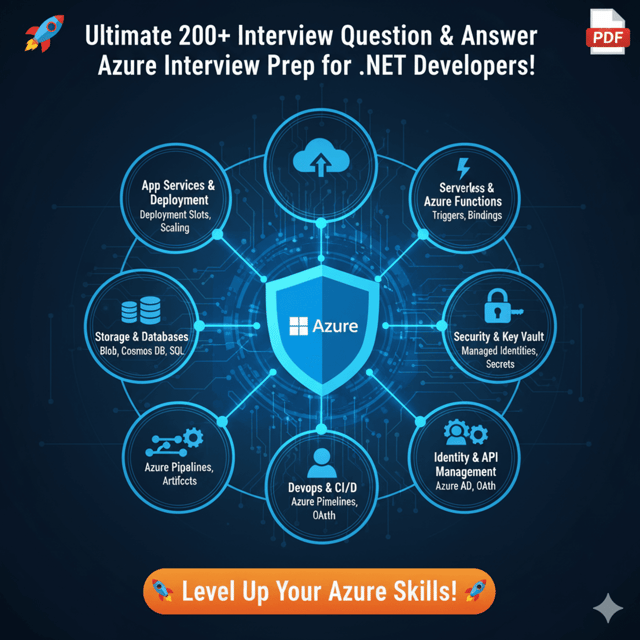
Master Azure for .NET: 200+ Interview Ques & Ans
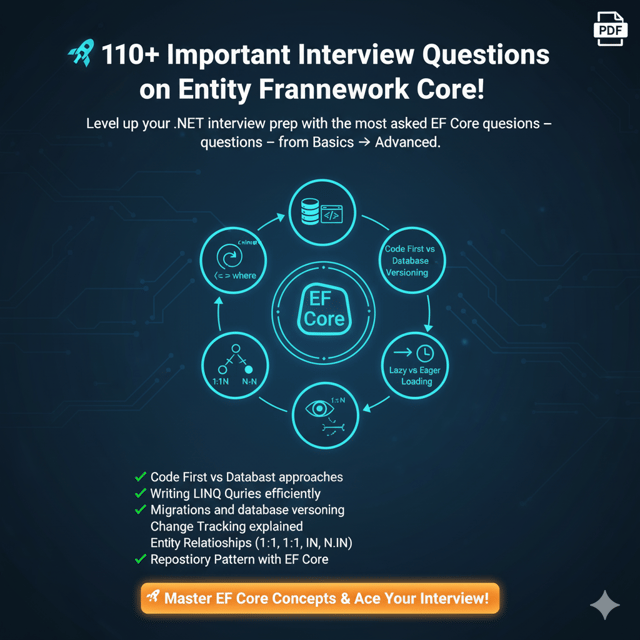
Entity Framework Core: 110+ Interview Quesions
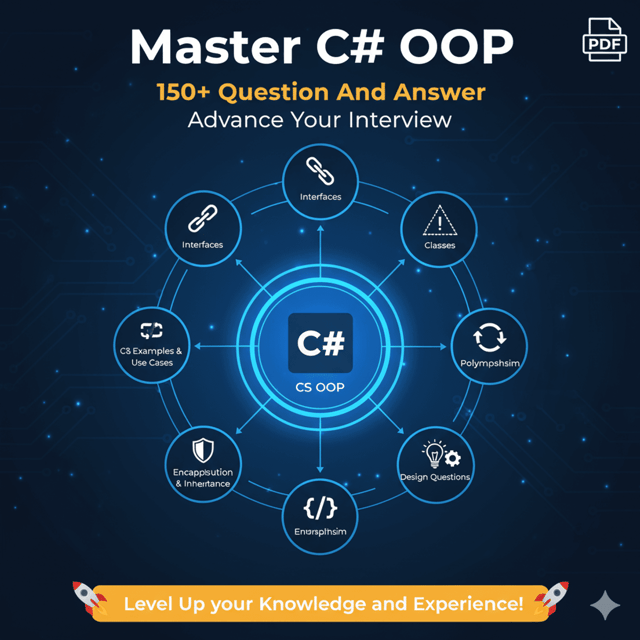
Master C# OOP: 150+ Questions & Ans for Interviews
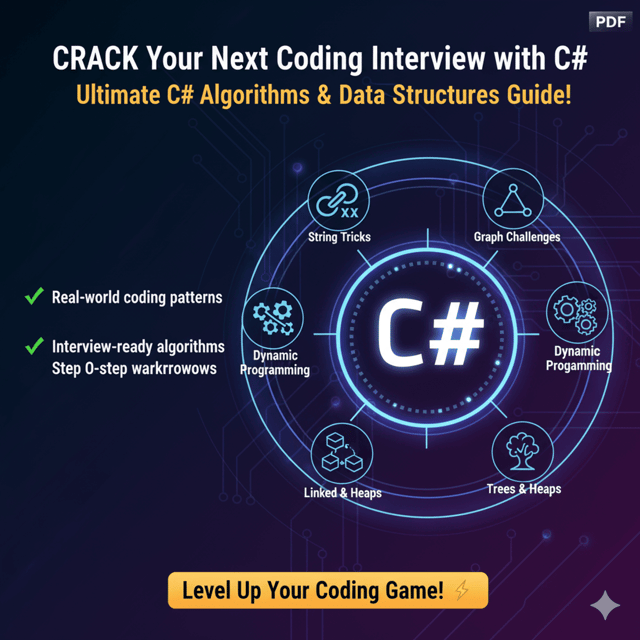
C# Coding Interview Prep:CodeRound,Algorithms & DS
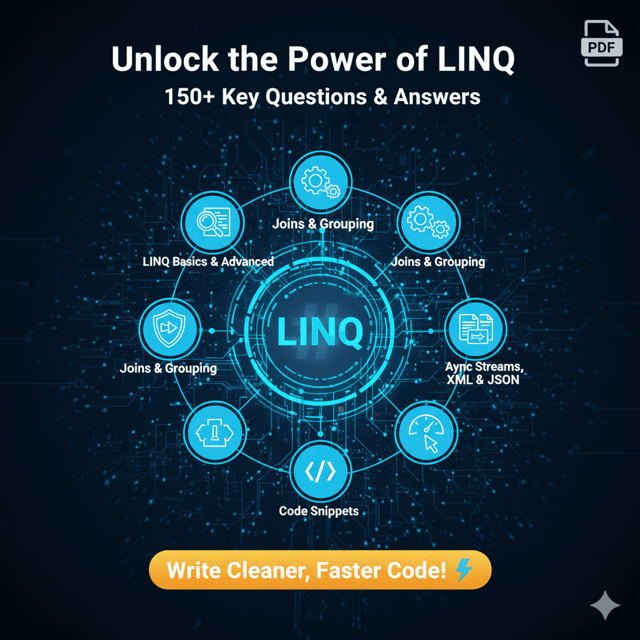
LINQ: 150+ Essential Ques & Ans for C# Developer

150+ Must-Know Database Interview Questions
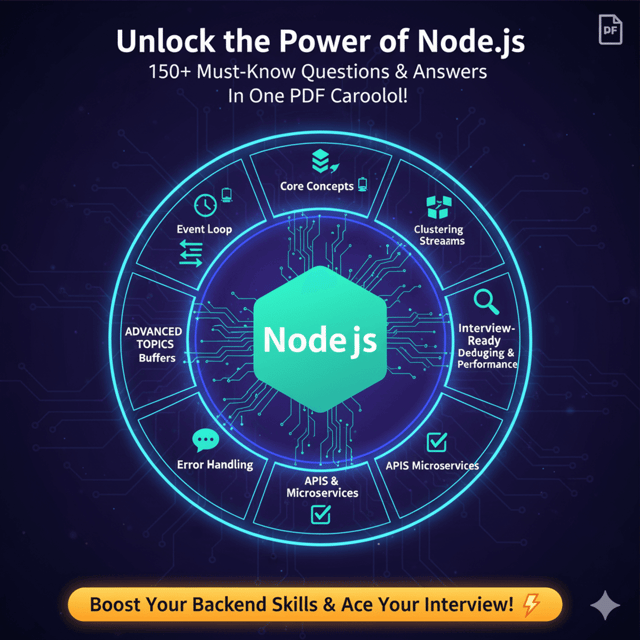
Master Node.js: 150+ Must-Know Questions & Answers
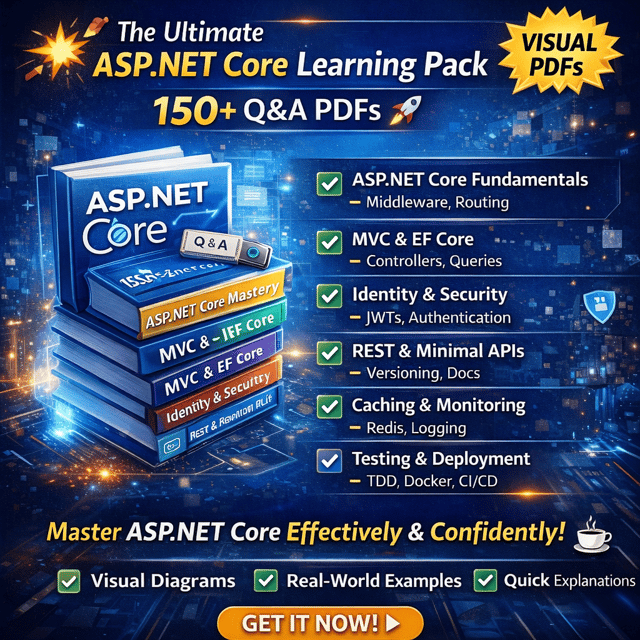
ASP.NET Core MVC — 150+ Interview Questions
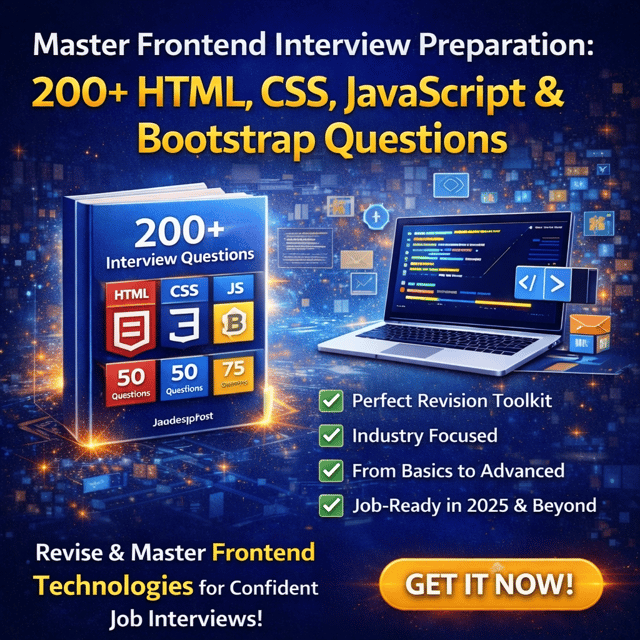
200+ Interview Q with A HTML,CSS,JS, and Bootstrap
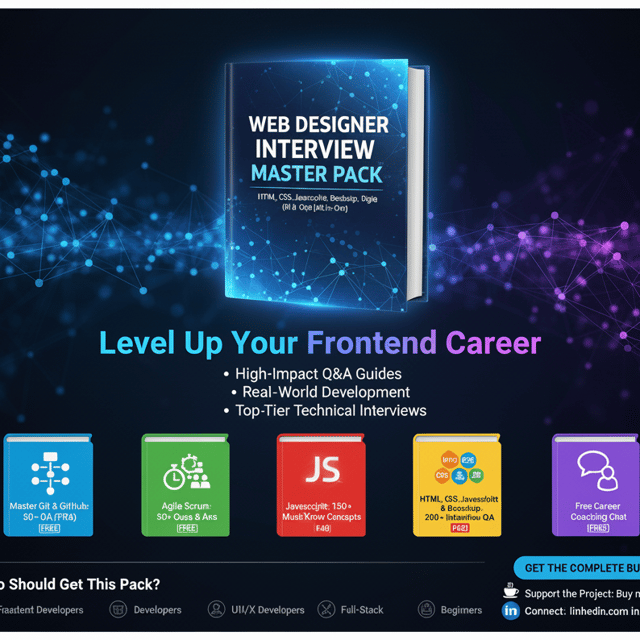
Web Designer IntervIew Complete Bundle
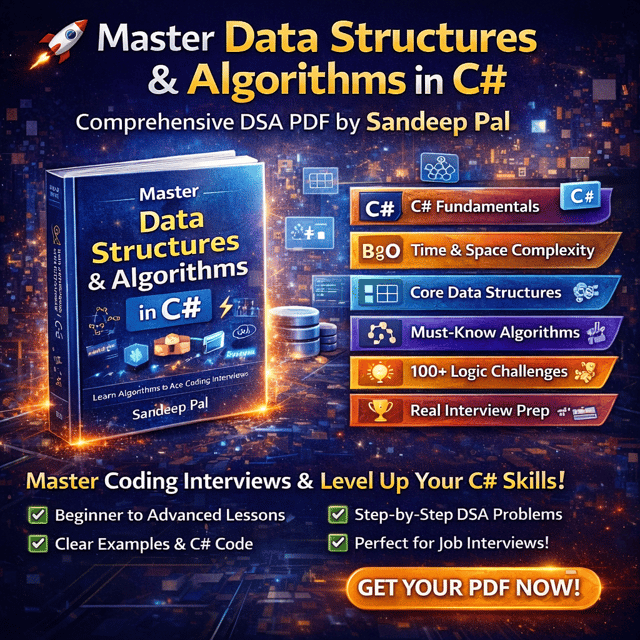
C# Master Data Structures & Algorithms (DSA)
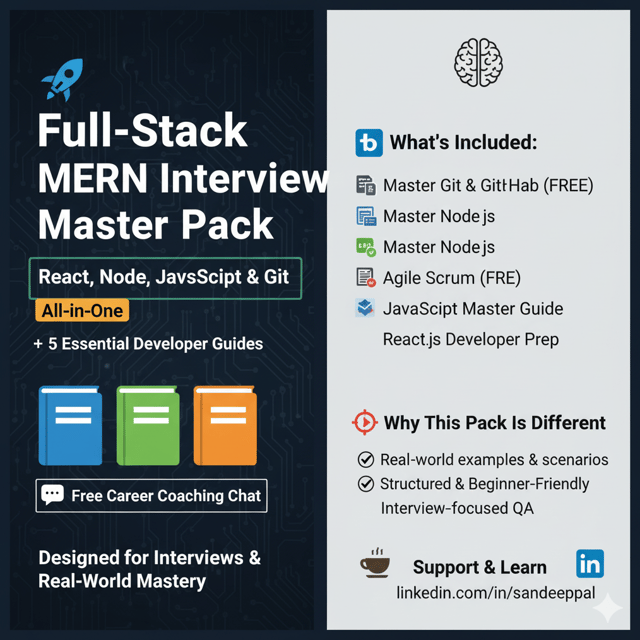
Interview Resources: Mern (Full Stack)
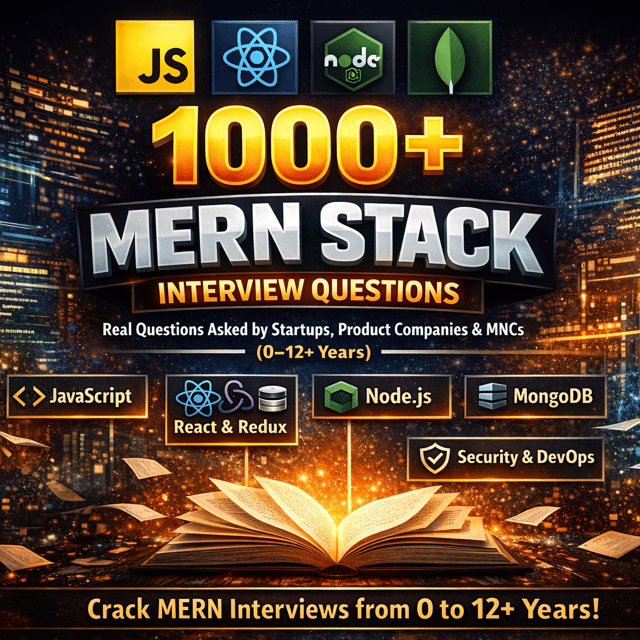
MERN Stack Interview Ques Ans Mastery Prep Kit
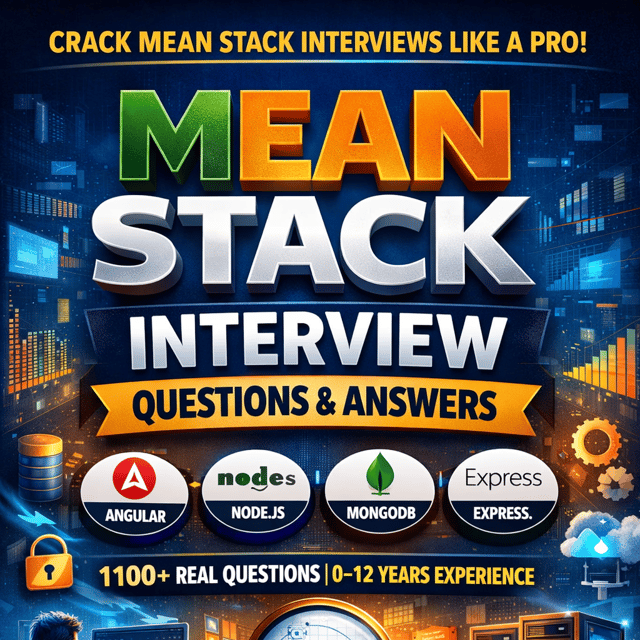
Complete MEAN Stack Interview Ques Ans Prep Kit
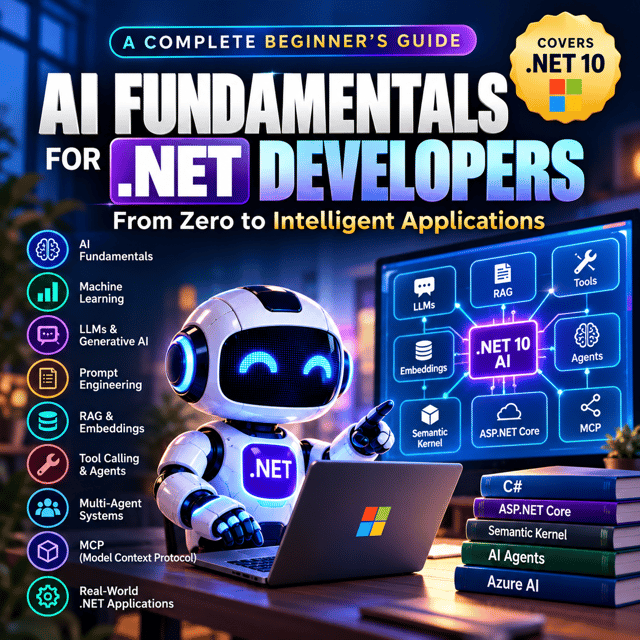
AI Fundamentals for .NET Developers | Zero to AI
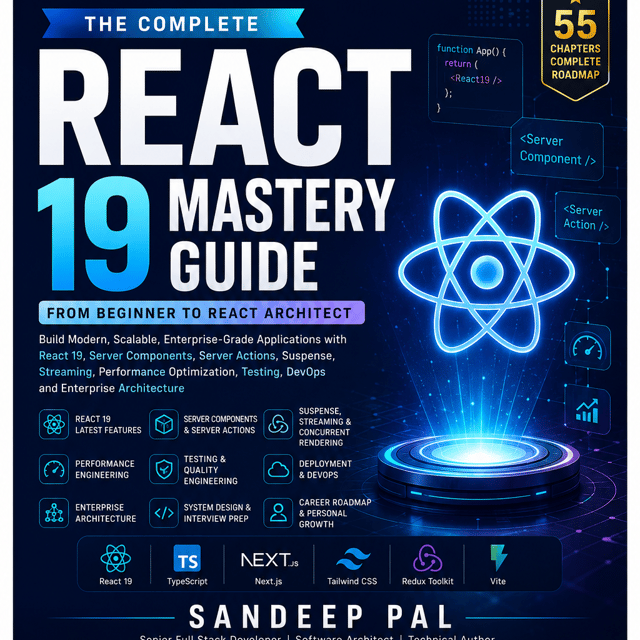
React 19 Mastery Guide: Beginner to Architect
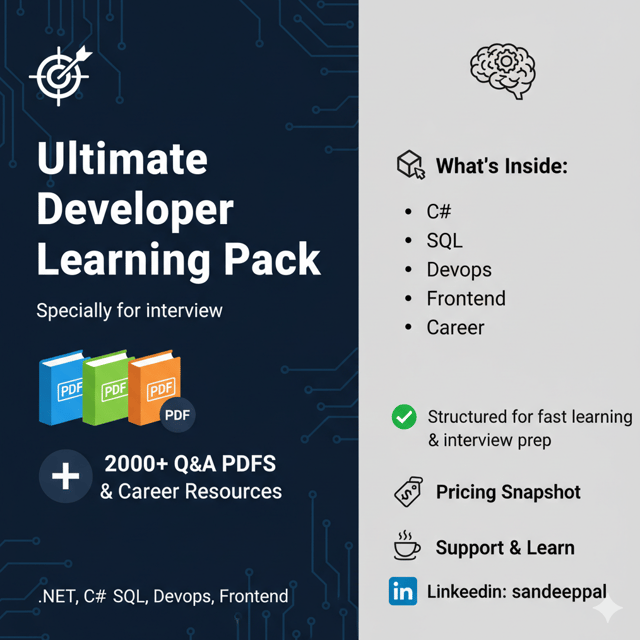
Complete Dotnet Developer Interview Prep Kit
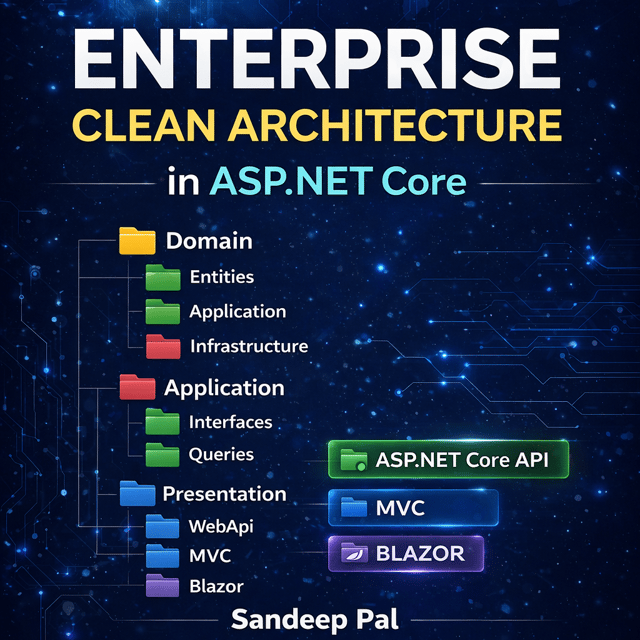
Clean Architecture with ASP.NET Core 10
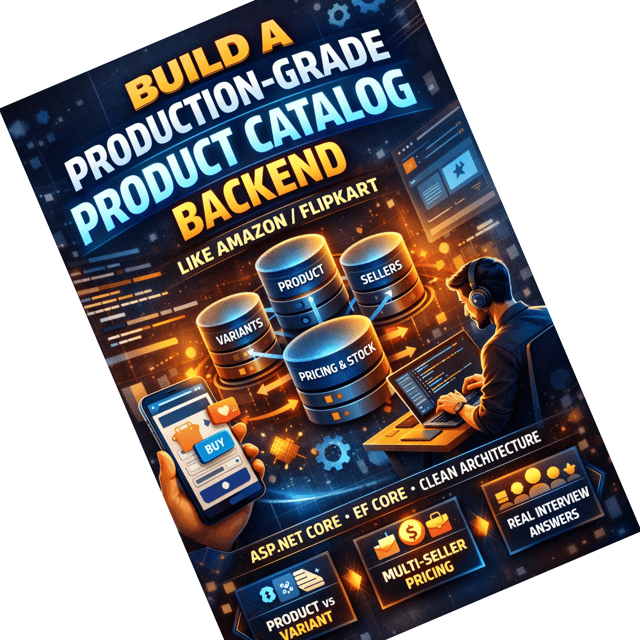
Build a Production-Grade Product Catalog Backend
Advanced .NET developers prepare basic interview
BUILDING A PRODUCTION-GRADE USER MANAGEMENT API
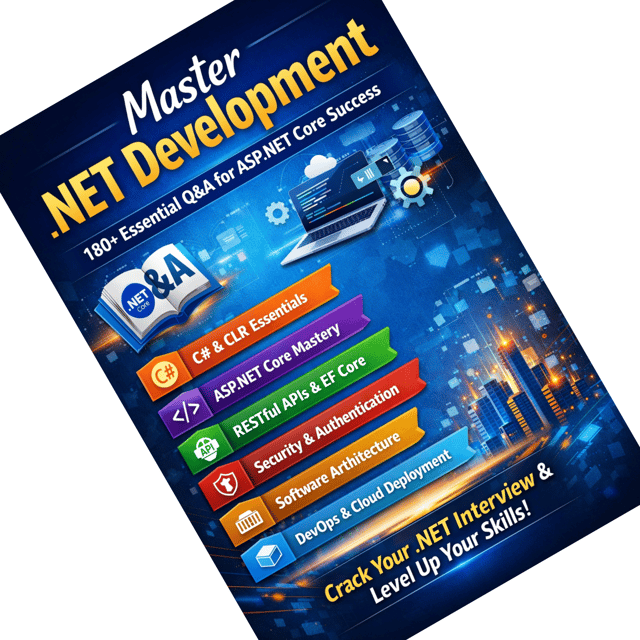
180+ ASP.NET Core Interview Questions & Answers

20 Coding Questions & Answers
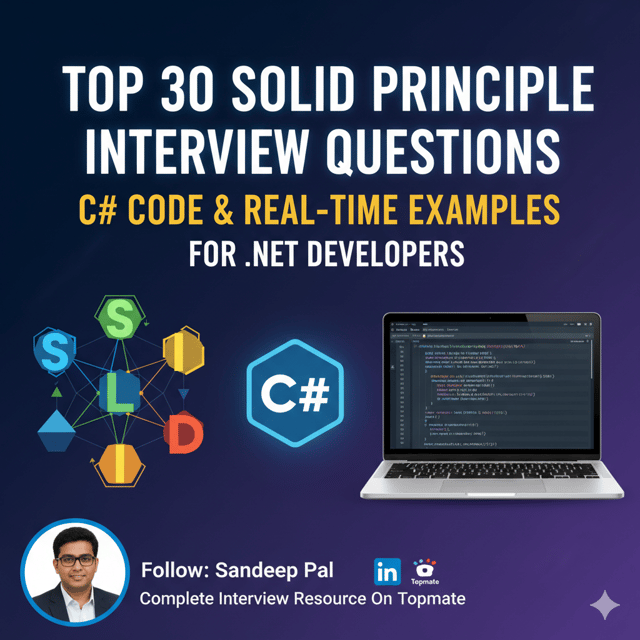
Top 30 SOLID Principle Interview Questions
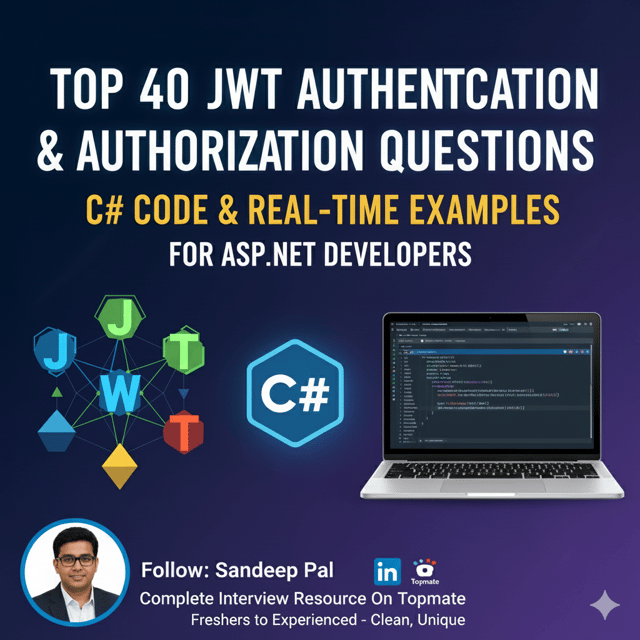
40 Questions JWT Authentication & Authorization
Mastering ASP.NET Core Middleware for Interviews
ASP.NET Core Filters : 30 Interview Questions
1:1 Mentorship
Discovery Call
Plan a FullStack roadmap with me!
Free Career Coaching Chat

Master Git & GitHub: 50+ Practical Ques, Ans
Managerial Round Interview Prep: 50+ Must-Know Que
ADO.NET Mastery: 50+ Questions & Answers
300+ L1 Interview Ques .NET + Free Career Chat
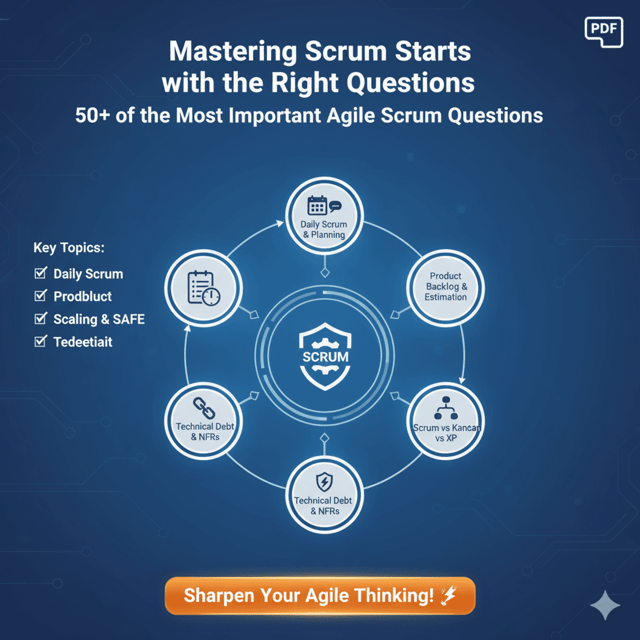
Agile Scrum: 50+ Ques & Ans For Teams & Leaders
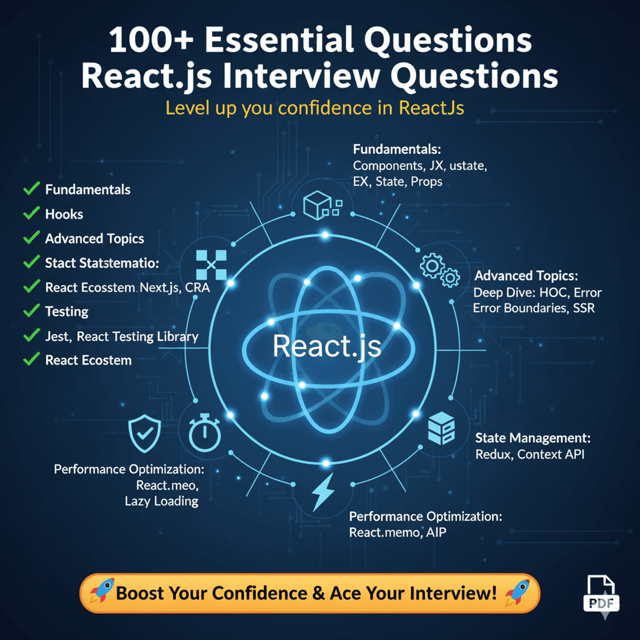
React.js Developer Prep:100+ Questions And Answers
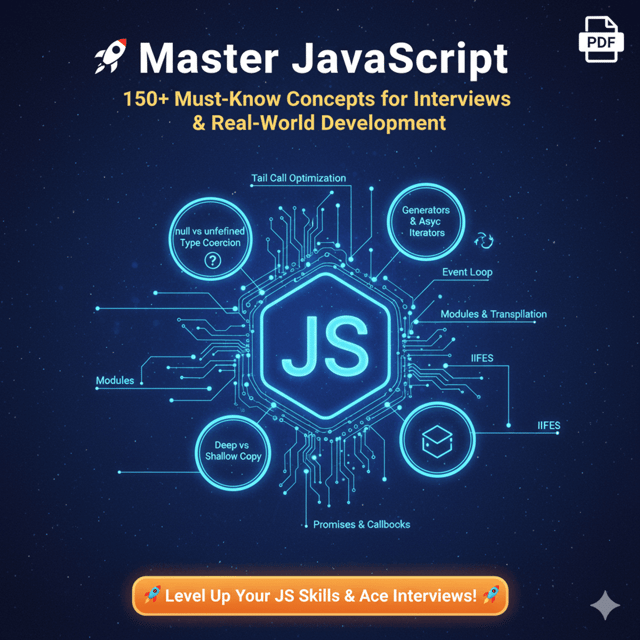
JavaScript: 150+ Must-Know Concepts for Interviews
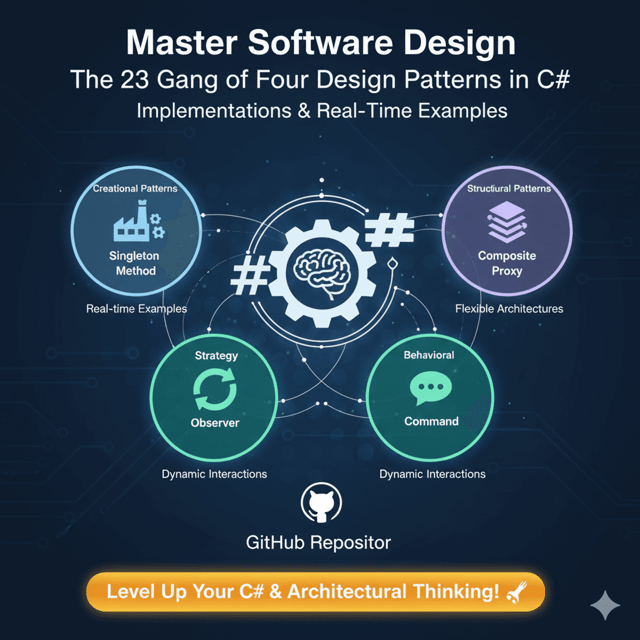
C# Design Pattern: 23 Gofs Pattern Well Explained
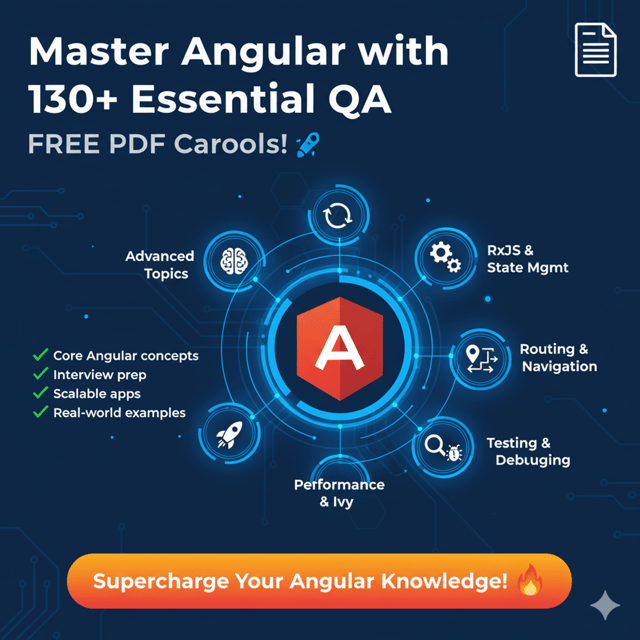
Angular: 130+ Essential Ques & Ans for Developers
100 Essential .NET Interview Questions & Answers
Master .NET & Software Design: 100+ Questions
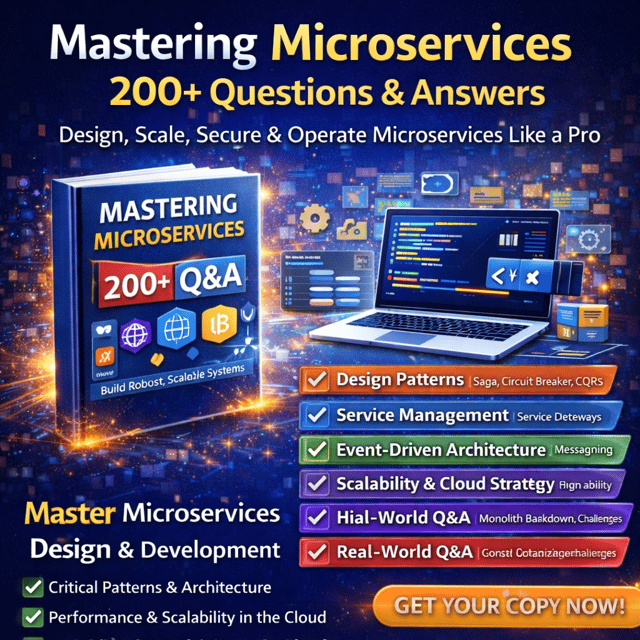
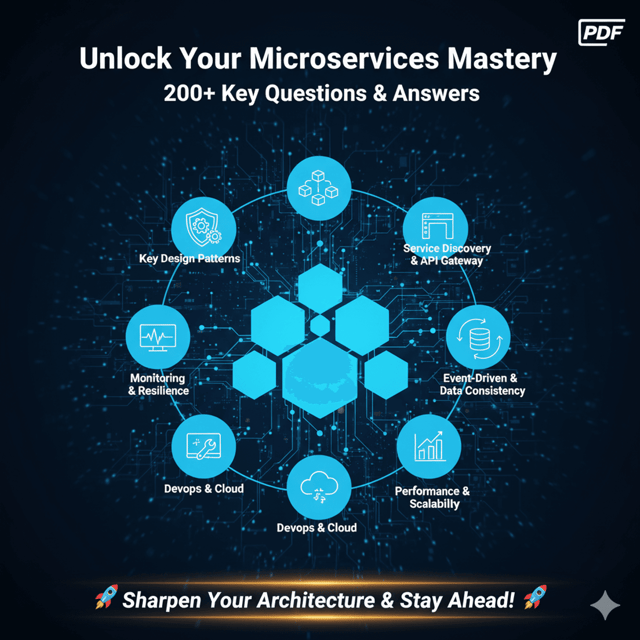
C# Master Microservices with 200+ Expert Q&A
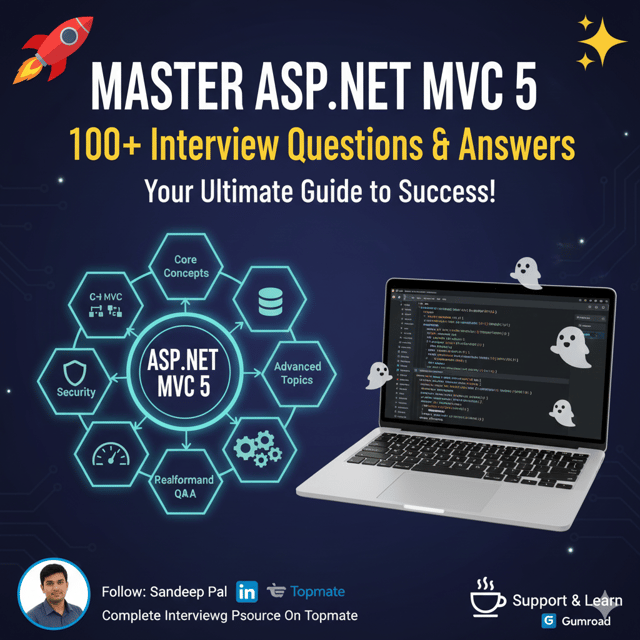
100+ ASP.NET MVC 5 Interview Ques & Ans
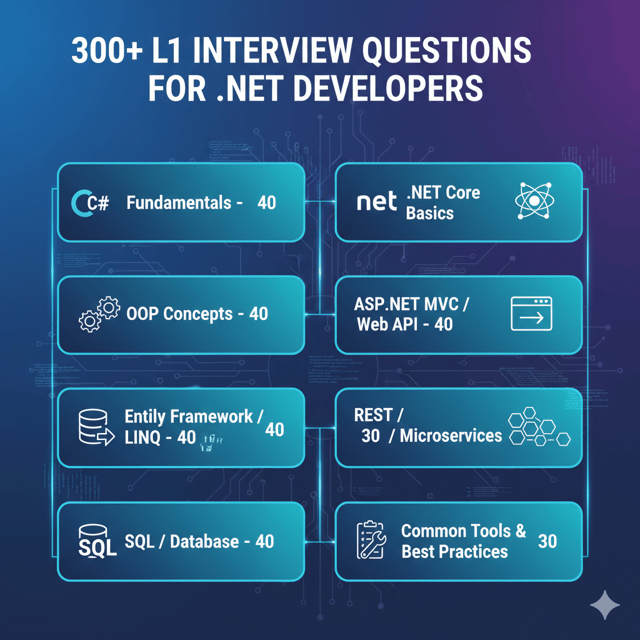
300+ L1 Interview Questions For .NET Developers
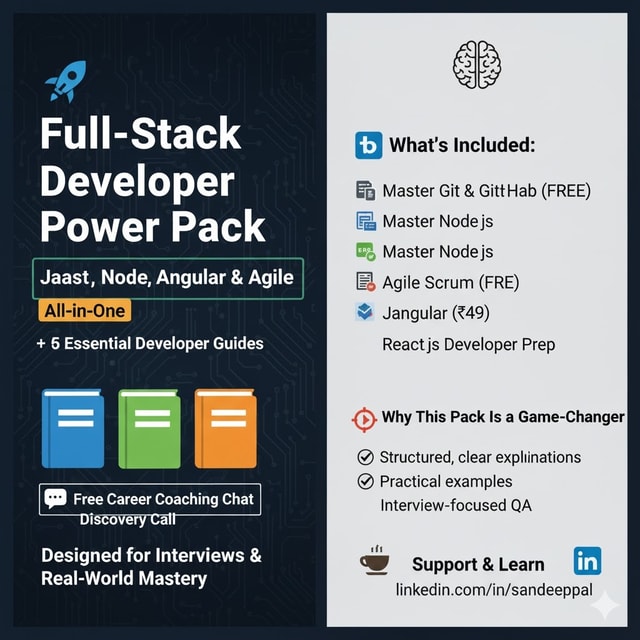
MEAN & JavaScript Complete Interview Pack: Dev
1:1 Consultation
About me
- Sandeep Pal is recognized for providing excellent interview preparation materials that are insightful and user-friendly, greatly aiding developers.
 AI-generated based on testimonials
 - 🚀 #1 Developer Learning Platformhttps://www.toolliyo.com/

Frequently asked questions
Which topics do dotnet interview questions and answers usually cover?
A typical .NET interview in India moves through four zones: C# language fundamentals (OOPs, collections, LINQ, async/await), ASP.NET Core (middleware, dependency injection, Web API), data access (Entity Framework Core, ADO.NET, SQL queries), and architecture (design patterns, microservices, system design for senior roles). Preparing topic-wise with structured dotnet interview questions and answers is far more effective than reading scattered blogs, because interviewers generally follow this sequence and dig deeper wherever your answers sound memorized.
Which dotnet interview questions for freshers should I prepare first?
Freshers should start with C# basics — data types, loops, classes and objects, and the four OOPs pillars — then move to simple string and array programs, basic SQL joins, and a first look at ASP.NET Core MVC or Web API. Most dotnet interview questions for freshers also include a small project discussion, so be ready to explain what you built, why you chose that stack, and what you would improve in it.
Which topics do most c# interview questions and answers focus on?
The core areas are OOPs (inheritance, polymorphism, encapsulation, abstraction), abstract classes vs interfaces, generics and collections, delegates and events, LINQ, exception handling, and async/await. Mid and senior interviews add dependency injection, memory management, and design patterns. Since most c# interview questions and answers in product-company rounds are coding-based, practising logic on strings, arrays, and recursion matters as much as reading theory.
How deep do c# interview questions for 5 years of experience go?
At the 5-year mark, interviewers stop testing definitions and test applied depth: async/await and Task internals, generics and constraints, DI service lifetimes (transient, scoped, singleton), LINQ performance, delegates vs events, garbage collection, and design patterns you have genuinely used. Expect c# interview questions for 5 years of experience to revolve around your real projects, so prepare to justify design decisions rather than recite textbook answers.
What should I expect from dotnet interview questions for 10 years of experience?
Senior interviews shift from syntax to architecture and decision-making: microservices vs monolith trade-offs, Clean Architecture and SOLID design, database scalability, caching, security with JWT or OAuth, performance tuning, and mentoring or code-review leadership. Most dotnet interview questions for 10 years of experience ask you to walk through systems you have built and justify your choices, so prepare project stories with real numbers — load handled, latency improved, cost reduced.
How do I practice asp.net core interview questions and answers effectively?
Work in layers instead of randomly: start with the request pipeline (Program.cs and middleware order), then dependency injection and service lifetimes, routing and minimal APIs, filters, EF Core integration, authentication with JWT or Identity, and error handling. After going through asp.net core interview questions and answers, answer out loud without looking, and build one small API applying everything — MNC scenario rounds test application, and reading-only preparation usually fails there.
Are asp.net core interview questions for experienced developers different from fresher-level questions?
Yes, significantly. Fresher questions test definitions — what middleware is, what DI is — while asp.net core interview questions for experienced developers are scenario-based: fixing a captive dependency bug, writing custom middleware, tuning slow EF Core queries, securing APIs, handling background jobs, and planning migration of legacy ASP.NET apps to Core. Prepare production stories where you diagnosed and fixed a real issue, because that is what separates experienced candidates.
What is OOPs in C#?
OOPs (Object-Oriented Programming) in C# is a paradigm built on four pillars: encapsulation, abstraction, inheritance, and polymorphism. It is almost always the opening theme in interviews, with follow-ups into abstract classes vs interfaces, method overloading vs overriding, and sealed or static members — so prepare one small code example for each pillar and be ready to explain where you used it in a project.
What is generics in C#?
Generics let you write type-safe, reusable classes and methods — like List<T> or a custom Repository<T> — that work with any data type while catching type errors at compile time instead of runtime. Interviewers typically follow up on generic constraints (where T : class, new()), generics vs using Object, and how generics avoid boxing and unboxing, which also becomes a performance talking point in deeper discussions.
What is dependency injection in C#?
Dependency injection is a design pattern where a class receives its dependencies from outside — usually through the constructor — instead of creating them itself, keeping code loosely coupled and easy to unit test. It is built into ASP.NET Core's container with three lifetimes (transient, scoped, singleton), and questions on choosing the right lifetime, spotting memory issues from wrong lifetimes, and mocking dependencies in tests appear in almost every modern C# interview.
What are ASP.NET interview questions typically built around?
Around web development fundamentals: MVC architecture and request lifecycle, routing, controllers and actions, filters, model binding and validation, state management, Web API, and security. Legacy roles still ask ASP.NET MVC 5 and Web API questions, while most newer positions focus on ASP.NET Core — so read the job description first and weight your ASP.NET interview questions preparation toward the version the role actually uses.
What is Entity Framework Core and why does it come up in .NET interviews?
Entity Framework Core is an open-source ORM for .NET that lets you query and update databases using C# objects and LINQ instead of writing raw SQL. Interviewers probe code-first migrations, change tracking, lazy vs eager vs explicit loading, DbContext lifetime management, and performance problems like the N+1 queries issue — and they frequently ask you to compare EF Core with Dapper or ADO.NET for high-throughput APIs.
What is middleware in ASP.NET Core?
Middleware are software components arranged in a pipeline that every request and response passes through — each component can process the request, short-circuit it, or pass it to the next one. Common interview questions cover execution order, built-in middleware (authentication, CORS, exception handling, static files), the difference between Use, Map, and Run, and how to write custom middleware such as request logging.
What are SOLID principles in C# and why do interviewers keep asking them?
SOLID is a set of five design principles — Single Responsibility, Open/Closed, Liskov Substitution, Interface Segregation, and Dependency Inversion — that keep object-oriented code maintainable and loosely coupled. Interviewers use SOLID principles in C# questions to judge design thinking, often by showing a code snippet with a hidden violation and asking how you would fix it, so practise explaining each principle with one concrete example from your own work.
What is JWT authentication in ASP.NET Core?
JWT (JSON Web Token) authentication is a stateless, token-based approach: after login, the server issues a digitally signed token, the client sends it with every request, and the API validates the signature instead of storing session state. Interview questions usually cover the token's three parts (header, payload, signature), configuring JWT bearer authentication, claims-based authorization, token expiry, and refresh-token handling for SPAs and mobile clients.