Testimonials
Services
The 2-Minute ATS Resume Optimizer (Free AI Prompt)
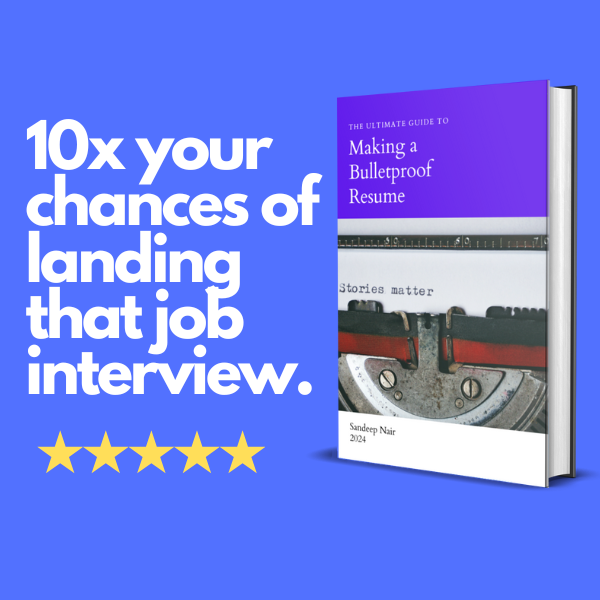
The Ultimate Guide to Making a Bulletproof Resume
About me
Frequently asked questions
How to build a brand marketing strategy?
Start with research: understand your market size, competitors, and target consumer. Define your positioning — who the brand is for, what it stands for, and why it's different. Then set clear objectives (awareness, trial, repeat purchase), choose the right channels and marketing mix to reach your audience, plan campaigns with budgets and timelines, and measure results against KPIs so you can refine the strategy every quarter.
What is brand management strategy?
A brand management strategy is the long-term plan for how a brand is positioned, protected, and grown over time. It covers brand positioning, identity and guidelines, pricing and portfolio decisions, and how consistently the brand shows up across packaging, advertising, retail, and digital touchpoints. Unlike a campaign, which runs for a few weeks or months, brand management is ongoing stewardship of the brand's equity.
What is a brand marketing campaign?
A brand marketing campaign is a coordinated set of marketing activities built around one central idea or message, run across channels like TV, digital, social media, and retail over a defined period. Its goal is usually to build awareness, shift perception, or drive consideration for the brand. Campaigns are the tactical executions that bring the larger brand strategy to life.
Where can I find a good brand marketing strategy example?
Full brand strategies are rarely published, but you can study real examples through campaign case studies, brand annual reports and investor presentations, CMO and founder interviews, and online ad archives. A practical exercise is to reverse-engineer a brand you admire: identify its target segment, positioning, pricing, and channel choices, then reconstruct its strategy using a framework like STP (segmentation, targeting, positioning) and the 4Ps.
What does a typical marketing career path look like in India?
Most marketers start as a marketing intern, management trainee, or marketing executive, then move into assistant brand manager or specialist roles. From there the path usually goes to brand manager or marketing manager, then senior brand manager, marketing head, and eventually CMO. An MBA helps for brand management roles in large FMCG companies, but professionals also enter through digital marketing, agencies, or sales and switch tracks as they grow.
What is a typical marketing career path salary in India?
Salaries vary widely by company, city, and background, but rough ranges look like this: freshers and trainees earn around ₹3–6 LPA, marketing executives and assistant managers roughly ₹6–12 LPA, brand managers typically ₹12–25 LPA, and senior marketing managers or marketing heads ₹25–60 LPA or more. CMO-level roles at large companies can cross ₹1 crore annually, and graduates from top B-schools entering FMCG brand management usually start at the higher end.
What are the common marketing career path titles in India?
On the brand or client side, titles typically progress from marketing associate or executive to assistant brand manager, brand manager, senior brand manager, marketing manager, GM or VP of marketing, and CMO. On the digital side you'll see titles like digital marketing executive, performance marketing specialist, SEO or social media lead, and head of digital. Agency-side roles run from account executive to account manager and account director. Exact hierarchies differ between startups and large corporations.
Where can I get marketing career guidance in India?
Good options include 1:1 mentorship sessions with experienced marketing professionals on mentorship platforms, LinkedIn outreach to people already in the roles you aspire to, alumni networks, and marketing career communities. Before any session, prepare specific questions — such as which track suits your strengths, how to position your resume for marketing roles, and which skills to build next — so you walk away with actionable direction rather than generic advice.
What is a career in marketing like?
It blends analytical thinking with creativity. Day to day, you might analyze consumer data, plan campaigns, brief agencies, coordinate with sales and product teams, and track results. It's fast-paced and measurement-driven, and success depends on understanding people as much as numbers. The experience varies by setting — FMCG brand management leans heavily on consumer insight and P&L ownership, startups demand hands-on execution across everything, and agencies revolve around client work across multiple brands.
What is a digital marketing career path, and how is it different from brand marketing?
A digital marketing career path usually starts with an executive role in areas like SEO, performance marketing, social media, or content, then progresses to specialist, digital marketing manager, head of digital, and CMO. It is more tool- and data-driven than traditional brand marketing, with clear ROI metrics on every campaign. Brand management is broader, covering positioning, pricing, and portfolio decisions — though the two tracks converge at leadership levels and many marketers now move between them.
How to review a resume before applying for a job?
Start by matching your resume against the job description — the relevant keywords, skills, and experience should appear naturally in it. Check that achievements are quantified with percentages, revenue, or scale instead of only listing responsibilities. Keep the format clean and ATS-friendly: standard fonts, no tables or graphics, consistent dates, and one to two pages. Finally, get a second opinion — a mentor, colleague, or professional review catches issues you've become blind to.
How to review a resume with ChatGPT?
Paste your resume along with the job description and ask ChatGPT to act as a hiring manager or ATS scanner for that role. Ask it to identify missing keywords, rewrite weak bullet points with metrics, flag formatting problems, and score your resume against the posting. Review its suggestions critically, since AI can genericize your experience or add phrasing you wouldn't use — treat the output as a strong first draft, then refine it in your own voice or with human feedback.
Where can I get a free resume review?
Free options include your college placement cell or alumni network, peers working in your target industry, LinkedIn connections willing to give feedback, and AI tools or prompts that scan your resume against a job description. Free reviews vary in depth — automated checks catch keyword and formatting gaps quickly, while an experienced human reviewer adds context about what recruiters in your field actually look for. Using both together gives better results than relying on either alone.
Is a professional resume review service worth paying for?
It is usually worth it if you're switching careers, returning after a gap, targeting competitive roles, or applying regularly without getting interview calls. A good reviewer — ideally someone with hiring or industry experience in your target function — can reposition your achievements, fix ATS issues, and sharpen how your story reads in the first six seconds. If you pay, choose someone who knows your field, because a marketing resume reads very differently from one for finance or engineering.
What should a good resume review prompt include?
Give the AI full context: your complete resume, the exact job description, your experience level, and the type of company you're targeting. Then add specific instructions — check for missing ATS keywords, quantify vague achievements, flag formatting that breaks applicant tracking systems, and rewrite weak bullets without inventing facts. Asking for a score plus a prioritized list of fixes gets far better results than a general "review my resume" request.