Testimonials
Services
The Freelance Mindset Nobody Teaches
Mastering Color Theory in UI/UX Design
Portfolio & Resume review
About me
- I am pleased to recommend Samya Khan, who served as a UI/UX designer for my furniture brand. I was consistently impressed by her dedication to meeting deadlines.Recommended by Syed Shoaib Akhtar on

Frequently asked questions
How to become a UI/UX designer in India?
You don't need a design degree to become a UI/UX designer — you need skills and proof of work. Learn design fundamentals like UI laws, color theory, and accessibility, master Figma for wireframing and prototyping, then build 2–3 case-study projects that show your process, not just final screens. Many beginners in India speed things up with 1:1 mentorship or a career guidance call, where an experienced designer gives you a clear roadmap instead of guesswork.
How to learn UI/UX design as a beginner?
Start by understanding what UI and UX actually mean, then go deep on one tool — Figma is the industry standard in India. Follow a structured sequence: design principles, color theory, UI laws, accessibility, then wireframing and prototyping. Practice by redesigning everyday apps and getting feedback on your work. If you want everything in one place, a bundled resource like an all-in-one design guide package is often more effective than scattered free content.
What does a UI/UX designer do?
A UI/UX designer studies how people think and behave, then designs digital products that feel intuitive to use — covering everything from user flows and wireframes to polished app screens and clickable prototypes. On the UI side they handle visuals like color, typography, and layout; on the UX side they focus on usability and user journeys. This is also why designers with a psychology background often create especially user-friendly interfaces.
What is the average UI/UX designer salary in India?
Fresher UI/UX designers in India typically earn around ₹3–6 LPA, mid-level designers with strong portfolios roughly ₹8–15 LPA, and senior designers at product companies can cross ₹20 LPA. The biggest salary drivers are portfolio quality, Figma and prototyping skills, and your ability to show real design decisions with outcomes — which is why case-study quality directly affects what you're offered.
What is color theory in UI/UX design and why is it important?
Color theory in UI/UX design is the framework for choosing and combining colors so an interface is readable, accessible, and emotionally right — using the color wheel, harmony rules, contrast, and color psychology. It matters because users judge an interface in seconds: poor color choices can make even well-structured wireframes look unprofessional, while the right palette improves trust, readability, and conversions.
How to use color theory to choose colors for an app or website?
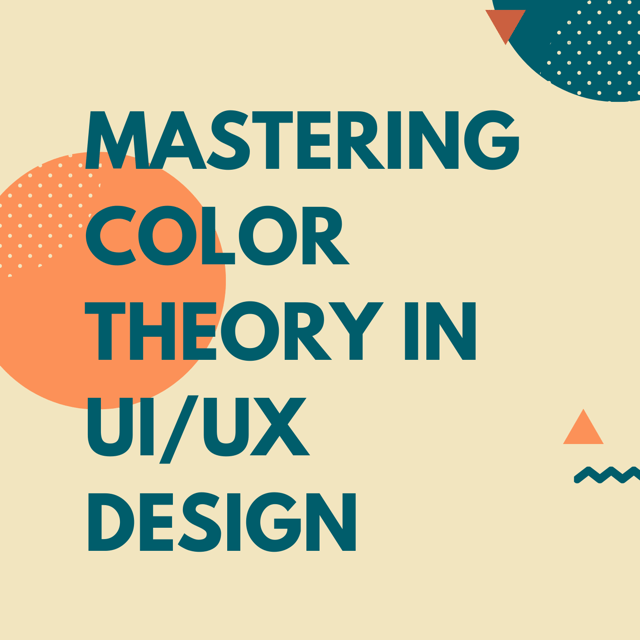
Start with one base color tied to your brand's emotion, build a palette using color wheel harmonies like complementary or analogous, apply the 60-30-10 rule for visual balance, and always check contrast so text and buttons stay readable and accessible. To use color theory practically on real projects, guides like Samya's "Mastering Color Theory in UI/UX Design" walk you through each rule with examples you can apply immediately.
What colors make the design more attractive?
Attractive designs usually use a limited palette — one dominant color, one secondary, and a bright accent for actions — with strong contrast between text and background. Blues and greens feel calm and trustworthy, warm tones like orange and red create urgency, and neutrals keep layouts clean. The real difference-maker is purpose: colors chosen to guide the eye consistently will always look better than randomly bright ones.
Where can I find a good color theory in UI design PDF for beginners?
Free blogs and PDFs cover the basics, but most stop at theory and don't show how to apply it to actual screens. If you want a color theory in UI design PDF that's practical, "Mastering Color Theory in UI/UX Design" by Samya Khan is a beginner-friendly digital guide on her Topmate — readers mention it breaks color down in a simple, applicable way and helped them fix colors that previously looked "off" in client work.
How to review a design portfolio before applying for jobs?
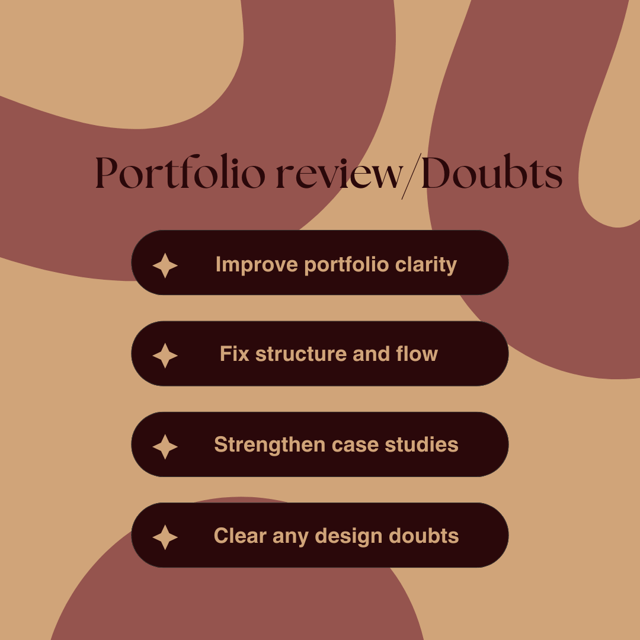
Check every case study for a clearly stated problem, your design process (research → wireframes → iterations), the final solution, and the outcome. Then audit the visual layer — hierarchy, spacing, typography, and consistency. Recruiters spend under a minute per portfolio, so lead with your strongest project and cut anything that doesn't show thinking. Getting an experienced designer to review a design portfolio with you helps flag what you're too close to see.
Are design portfolio review services worth it for beginner designers?
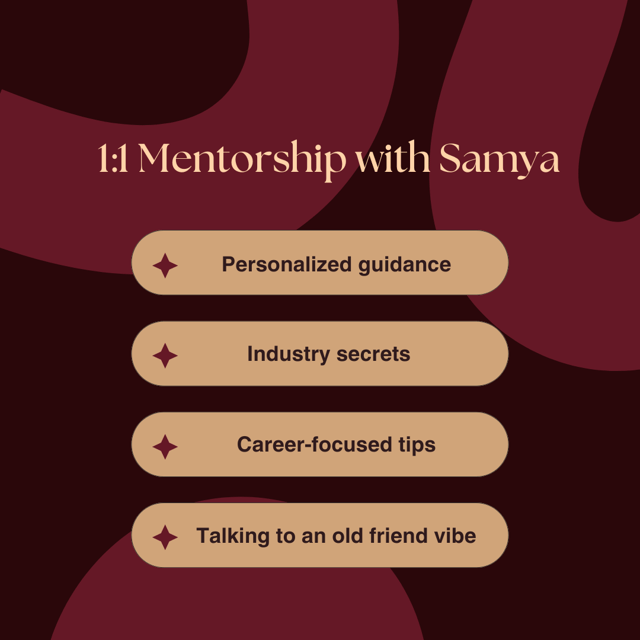
Yes — especially for freshers, because the mistakes that cost interviews (unclear case studies, cluttered layouts, resume red flags) are hard to spot on your own. A good review gives you specific, structured suggestions rather than vague feedback, so you know exactly what to fix before applying. Designers like Samya offer 1:1 portfolio and resume review calls where you walk away with an actionable improvement list in a single session.
What is a UI/UX design course and what should it actually teach?
A UI/UX design course is a structured program that teaches design fundamentals (color theory, UI laws, accessibility), tools like Figma, and the end-to-end process from wireframing to prototyping. Before paying for any course, verify it includes hands-on projects, feedback on your work, and portfolio building — theory-heavy courses without feedback rarely make you job-ready.
How do I choose the right UI/UX design course in Pune?
Before joining a UI/UX design course in Pune, compare options on four things: whether you build real projects instead of just watching lectures, whether an experienced designer reviews your work, whether you finish with a portfolio, and the total cost versus self-paced online alternatives. Many institutes teach tools but skip design thinking, so supplementing any course with resources on color theory, UI laws, and accessibility plus mentorship often makes the bigger difference in getting hired.
Are there UI/UX designer jobs in Pune for freshers?
Yes — Pune is one of India's biggest IT hubs, with product companies, IT services firms, and startups regularly hiring for UI/UX designer jobs in Pune for freshers. What gets freshers shortlisted is a strong case-study portfolio, solid Figma skills, and an active LinkedIn or Behance presence. If you're not getting calls, fixing your portfolio and application strategy through career guidance is usually the first step.
What is designing for accessibility and why does it matter in UI/UX?
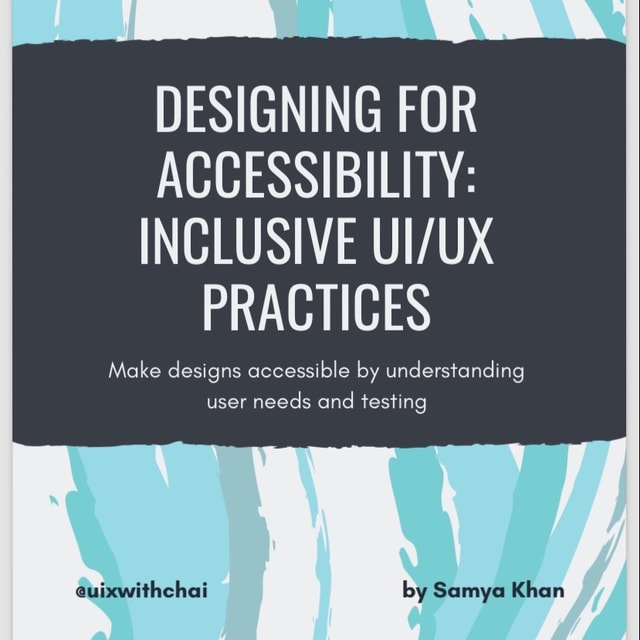
Designing for accessibility means creating interfaces that people with visual, motor, hearing, or cognitive disabilities can actually use — sufficient color contrast, readable font sizes, alt text, larger tap targets, and never relying on color alone to convey meaning. It matters because it expands your user base, is increasingly expected by clients, and simply makes products easier for everyone. If you want the practical rules, Samya's "Designing for Accessibility" digital guide covers what designers should actually implement.
What does it take to start freelancing as a UI/UX designer?
Design skills are only half the equation. To start freelancing as a UI/UX designer, you also need the business mindset nobody teaches: pricing your work confidently, setting scope to avoid endless free revisions, finding clients consistently instead of waiting for referrals, and communicating value in client language. Most designers struggle here because the freelance mindset side is rarely taught — which is exactly what resources like Samya's "The Freelance Mindset Nobody Teaches" focus on.