Testimonials
Services
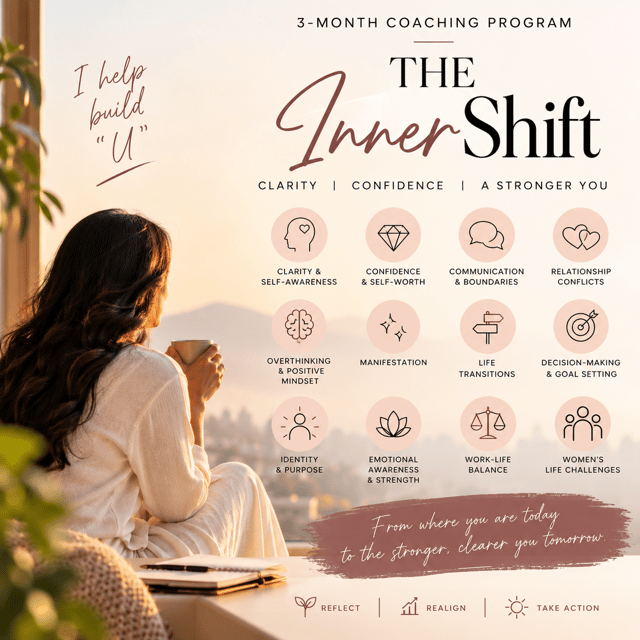
About me
Frequently asked questions
What is life coaching?
Life coaching is a structured, goal-oriented partnership where a trained coach helps you gain clarity on what you want, identify what is holding you back, and create actionable steps to move forward. Unlike advice from friends and family, a coach uses proven questioning techniques and accountability to help you make decisions, build better habits, and reach your personal or professional goals. Sessions are typically one-on-one and can happen over a call, which makes it easy to fit coaching into a busy schedule.
Life coaching vs therapy — which one do I need?
Therapy focuses on healing: it addresses mental health conditions, past trauma, and emotional distress, usually with a licensed clinician. Life coaching is future-focused and meant for people who are functioning well but feel stuck, want to grow, or need help setting and reaching goals. If you are dealing with clinical anxiety, depression, or unresolved trauma, therapy is the right starting point; if you want clarity, motivation, and a concrete plan for the life you want, coaching can help. Many people benefit from both at different stages of life.
How do I find life coaching near me?
A search for life coaching near me is a good starting point, but keep in mind that most coaching today happens over video or phone calls, so location matters less than finding someone accredited who understands your goals. Check credentials, read client testimonials, and look at the coach's area of focus. Many coaches offer a short discovery call, which is the easiest way to test whether their style fits you before committing to a full package.
How do I know if I need a life coach?
Common signs include feeling stuck or uncertain about decisions, having goals you never seem to reach, repeating the same unhelpful patterns, or knowing you are capable of more but not being sure what to change first. A coach is also valuable during transitions — a new career chapter, a move, or a season where you want more balance and fulfillment. If you keep waiting for clarity to arrive on its own and it does not, a structured coaching conversation can speed things up considerably.
What should I do if I feel stuck in life?
Start by naming what kind of "stuck" it is: unclear direction, fear of making the wrong choice, low energy, or a situation you cannot control. Then take one small action — journal about what you actually want, talk it through with someone objective, or change one daily routine. Feeling stuck for weeks or months is usually a sign you need an outside perspective, and that is exactly the kind of situation a life coach is trained to help you navigate.
What is personal growth and why is it so important?
Personal growth is the ongoing process of improving your self-awareness, habits, skills, and mindset so you can live more intentionally. It matters because life does not stand still — careers change, relationships evolve, and challenges show up whether you prepare for them or not. People who invest in personal growth tend to make decisions with more confidence, handle setbacks better, and feel more fulfilled because their daily actions line up with what they genuinely want.
How to achieve personal growth?
Start with an honest self-assessment: where you are now, where you want to be, and the gap between the two. Set a few specific goals, build daily habits that support them, keep learning consistently, and ask for feedback from people you trust. The biggest accelerator is accountability — whether that comes from a friend, a mentor, or a coach — because most people abandon growth goals when no one is checking in on their progress.
How to create a personal growth plan?
Keep it simple: write down two or three areas you want to improve — for example confidence, communication, or career direction — define what success looks like in each, and break it into monthly and weekly actions. Add a review ritual, such as 15 minutes every week or month, to measure progress and adjust. A written plan beats vague intentions, and reviewing it regularly is what separates people who actually grow from people who only think about growing.
What are some realistic self improvement goals?
Good starter goals include building a consistent morning routine, reading 20 minutes a day, practicing a skill for 30 minutes daily, setting a boundary in one important relationship, sleeping 7–8 hours, or journaling a few times a week. Choose goals small enough to stick to, take on only one or two at a time, and track them. Realistic self improvement goals compound — small daily wins add up to noticeable change within a few months.
What are the best self improvement tips?
The most effective self improvement tips focus on systems over motivation: decide in advance when and where you will do something, because motivation fades but routines hold. Other high-impact habits include cutting back on mindless scrolling, surrounding yourself with people who are also growing, doing one difficult thing daily to build confidence, and reflecting weekly on what worked and what did not. Progress is also much faster with an outside perspective, whether from a mentor, a community, or a coach.
Can a life coach help me improve my relationships?
Yes. Coaches frequently work with clients on communication, boundaries, self-esteem, and emotional patterns — all of which directly affect how you relate to a partner, family members, friends, and colleagues. A coach helps you see your own role in recurring conflicts and practice healthier ways of responding. If a relationship involves abuse or serious mental health concerns, a licensed therapist is the appropriate professional; for growth-focused relationship goals, coaching works well.
What is personal growth counseling and who is it for?
Personal growth counseling is for people who want to work on themselves — confidence, direction, habits, relationships — even when nothing is clinically "wrong." Counselors and coaches both support growth; counseling tends to explore emotional patterns more deeply, while coaching is usually more goal- and action-focused. If you have been looking into personal growth counseling because you want more out of life, a short discovery call with a life coach can help you decide which type of support fits your situation best.
How long does life coaching take to work?
A single session can produce a genuine breakthrough in clarity, but lasting change usually requires consistent work over time. That is why many coaches structure their services as individual calls, short-term series, or packages lasting around three to six months. Give any coaching commitment at least a few sessions before judging results, and remember that progress depends as much on the actions you take between sessions as on the sessions themselves.
What happens in a life coaching session?
Most sessions begin with a quick check-in, then move to the main topic — a decision you are facing, a goal you are working toward, or an obstacle that keeps resurfacing. The coach asks questions that help you reflect, offers fresh perspective, and closes the call with clear next steps or commitments. Many coaches start with a shorter discovery call so you can share your situation, ask questions, and see whether the fit feels right before booking longer sessions.