Testimonials
Services
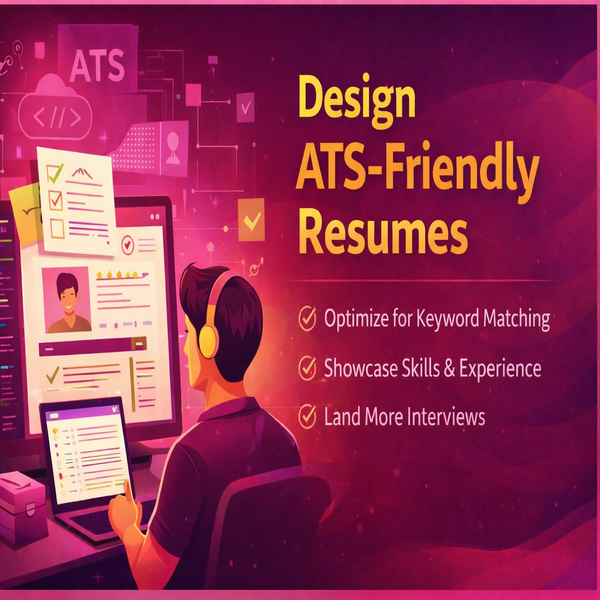
Get your CV shortlisted for top companies
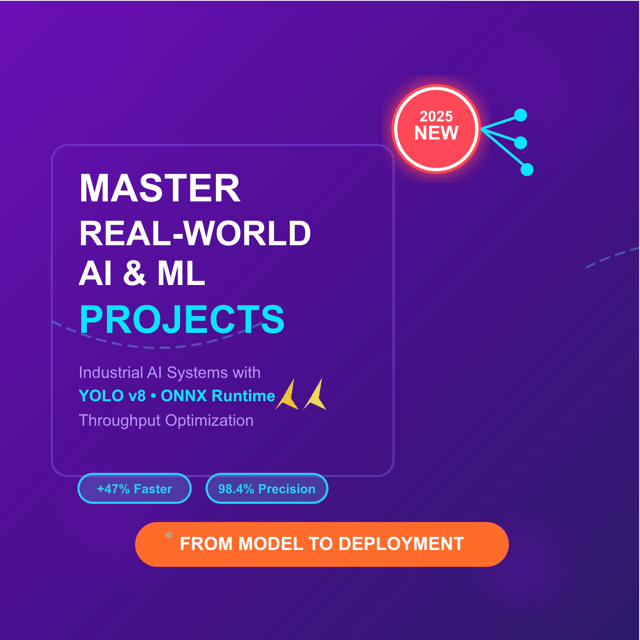
AI Systems That Improve Precision and Throughput
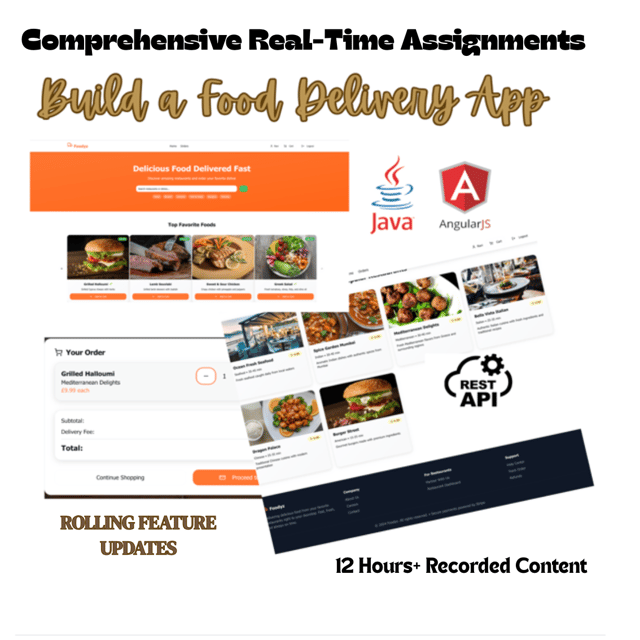
Build Food Delivery Application

Cloud Native Platforms That Fuel Business Outcomes
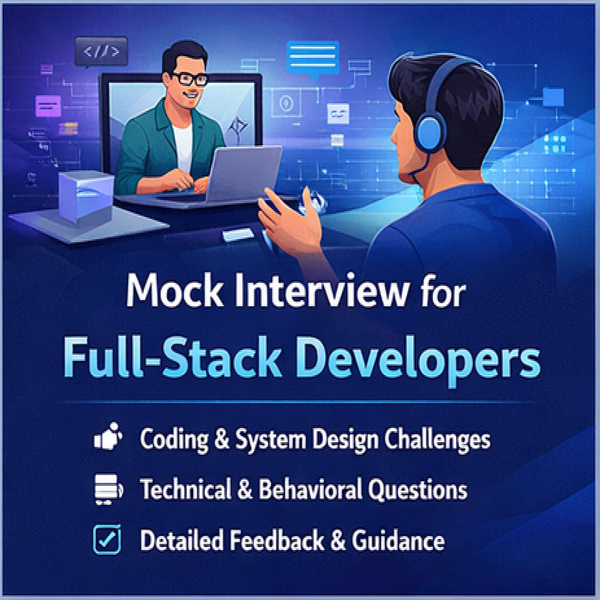
About me
- Ravi Teja excels in clear, engaging teaching, inspiring learners with his real-time knowledge and effective guidance, especially in AngularJS.
 AI-generated based on testimonials
Frequently asked questions
What is the Python programming language?
Python is a high-level, general-purpose programming language known for its clean, readable syntax that closely resembles plain English. It supports object-oriented, functional and procedural styles, and runs on virtually every platform. Because it is easy to pick up yet powerful enough for production systems, it is one of the most taught and most in-demand languages in the UK tech job market.
What is Python programming used for?
Python programming is used for backend web development (Django, Flask, FastAPI), data analysis and visualisation, automation and scripting, machine learning and AI, cloud and DevOps tooling, and software testing. It is also the dominant language in data science, which is why UK roles such as data analyst, data engineer and backend developer consistently list Python among their top requirements.
How to learn Python programming with no prior experience?
Start with the fundamentals — variables, data types, loops, functions and basic data structures — then practise daily with small exercises rather than only watching tutorials. After a few weeks, build tiny projects such as a calculator, a to-do command-line app or a web scraper. Combine one structured course or book with free practice platforms, and get your code reviewed by a mentor or community so you fix bad habits early. Most beginners reach a comfortable level within two to three months of consistent effort.
What are Spring Boot microservices in Java?
Spring Boot microservices are small, independently deployable services written in Java, where each service handles one business capability — for example, orders, payments or user accounts — and communicates with others through REST APIs or messages. Unlike a single monolithic application, each service can be developed, deployed and scaled on its own, which is why Java with Spring Boot is the default microservices stack in most large enterprises.
What is Spring Boot microservices architecture?
Spring Boot microservices architecture is a design approach that splits an application into loosely coupled services, each with its own codebase and database. A typical setup includes an API gateway as the single entry point, service discovery (Eureka), a central config server, circuit breakers for fault tolerance, and message brokers such as Kafka or RabbitMQ for asynchronous communication. This structure lets individual teams ship and scale features without redeploying the entire system.
How to create a Spring Boot microservices project?
Begin by dividing your domain into services, then generate each one from Spring Initializr with Spring Web, Spring Data JPA and Spring Cloud dependencies. Give every service its own database, connect them through Spring Cloud Gateway and service discovery, externalise configuration, and containerise everything with Docker. The best way to learn is one complete end-to-end build — for example, a food delivery application with order, payment and notification services — instead of isolated CRUD demos.
How to deploy Spring Boot microservices in AWS?
The most common path is to containerise each service with Docker, push the images to Amazon ECR, and run them on ECS (Fargate) or EKS, with an Application Load Balancer in front and RDS or DynamoDB for data. Wire up a CI/CD pipeline such as GitHub Actions so every commit is built, tested and deployed automatically. Start with a single service on ECS using the free tier, then add CloudWatch monitoring before scaling out the rest.
How to scale Spring Boot microservices?
Scale horizontally by running multiple instances of each service behind a load balancer, keeping services stateless so any instance can handle any request. Add autoscaling based on CPU or queue depth, use caching and database read replicas, and move heavy workloads to asynchronous processing with Kafka or SQS. Protect the system with circuit breakers and rate limiting, and use metrics from Micrometer, Prometheus or Grafana to find real bottlenecks before adding capacity.
What is an API gateway in Spring Boot microservices?
An API gateway is a single entry point that sits in front of all your microservices and routes each client request to the correct service. In a Spring Boot stack this is usually implemented with Spring Cloud Gateway, and it handles routing, authentication, rate limiting, logging and other cross-cutting concerns so individual services can stay focused on business logic. It also keeps your internal service structure hidden from outside clients.
What are the most common Spring Boot microservices interview questions?
Expect questions on how microservices differ from monoliths, service communication (REST vs messaging), the role of the API gateway, service discovery, database-per-service design, the saga pattern for distributed transactions, circuit breakers, idempotency, and how you would deploy and monitor services. For senior roles, interviews move towards designing a complete system on a whiteboard, so practise explaining your trade-offs out loud — ideally in a mock interview with honest feedback.
What are some good machine learning projects for beginners?
Strong options include house price prediction (regression), customer churn or survival prediction (classification), spam email detection, a movie or product recommendation system, and handwritten digit recognition with MNIST. Start with small, clean datasets, then go beyond the tutorial by cleaning raw data yourself, comparing multiple models and explaining your results — that is what makes machine learning projects for beginners stand out on a CV.
How to build a machine learning project end to end?
Follow a consistent pipeline: define the problem and success metric, collect and clean the data, explore it, engineer features, train and compare baseline models, tune the best one, and evaluate it on unseen data. The step most people skip is deployment — serve the model as an API with FastAPI or Flask and host it in the cloud so anyone can actually use it. A deployed, documented project is far more convincing in interviews than a notebook sitting on your laptop.
What are the best machine learning projects for final year students?
Choose something with real-world data and a working demo: demand or price forecasting, fraud detection, sentiment analysis of product reviews, medical image classification, or a recommendation engine — paired with a deployed dashboard or API rather than just a notebook. Sourcing data from Kaggle or UK open-data portals makes the work credible, and reviewing machine learning projects with source code on GitHub first helps you structure your own repository professionally. Examiners and employers both value a live demo and a clear write-up of what failed and why.
Is machine learning expensive?
Learning machine learning is surprisingly cheap to start: Google Colab and Kaggle give you free GPU access, scikit-learn, PyTorch and TensorFlow are open source, and thousands of datasets are free to download. Costs only appear when you train large models on rented GPUs, buy premium courses, or host production workloads in the cloud — and even then, cloud free tiers comfortably cover small deployed projects. For learning and portfolio building, you can realistically spend close to nothing.
How do I get my CV shortlisted for top tech companies?
Tailor your CV to each role and mirror the keywords in the job description, because most companies filter applications through ATS software before a human reads them. Lead every bullet with measurable impact — "cut API latency by 40%" lands better than "worked on backend services" — keep it to one or two clean pages, and include links to deployed projects or GitHub if you lack brand-name experience. A review from someone who actually hires in your target role usually reveals quick wins that move a CV from the reject pile to the shortlist.