Interview tips for teachers
Romi Gupta

Interview tips for teachers
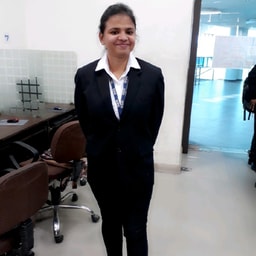
Here are some interview tips specifically tailored for teachers to help them perform confidently and effectively in their interviews:
1. Research the School:
- Know the School’s Mission and Values: Understand the school’s vision, mission, and educational philosophy. Tailor your answers to align with their values.
- Familiarize Yourself with the Curriculum: Research the curriculum and any unique programs the school offers. This shows genuine interest and helps you frame your responses accordingly.
- Understand the Student Demographics: Be aware of the community the school serves, including any challenges or strengths (e.g., diverse populations, special education needs).
2. Prepare for Common Interview Questions:
- Why Do You Want to Work at This School?: Craft a response that highlights your alignment with the school’s values and how your experience fits with their goals.
- Classroom Management: Be ready to share specific strategies you use to manage student behavior and create a positive learning environment.
- Differentiation in Instruction: Prepare examples of how you’ve adapted lessons for different learning styles and abilities.
- Student Engagement: Be able to discuss ways you keep students engaged and motivated, especially with diverse learners.
- Handling Challenges: Share examples of how you dealt with a challenging student, situation, or class and what you learned from it.
3. Prepare Real-Life Examples:
- Lesson Planning: Be ready to walk through a specific lesson plan you’ve created, explaining its objectives, activities, and assessments.
- Success Stories: Share examples of times you made a significant impact on a student’s learning or well-being.
- Problem-Solving: Prepare stories where you overcame challenges, such as adapting to virtual learning, handling disruptive behavior, or improving academic performance in your class.
4. Show Passion and Enthusiasm:
- Why Teaching?: Be prepared to share why you chose teaching as a profession and what you love about it. Let your passion for working with students shine through.
- Positive Attitude: Demonstrate enthusiasm for teaching, learning, and working with students. Show that you’re excited to inspire and support students on their educational journey.
5. Highlight Your Classroom Management Skills:
- Proactive Strategies: Discuss how you set classroom expectations at the beginning of the year and how you maintain discipline.
- Building Relationships: Explain how you build rapport with students, which can prevent behavioral issues and create a respectful classroom culture.
- Consistent Approach: Emphasize your use of consistency and fairness in managing student behavior.
6. Showcase Your Adaptability:
- Dealing with Change: Be prepared to discuss how you adapt to changes in curriculum, school policies, or learning environments, such as transitioning to virtual or hybrid learning.
- Differentiation: Share examples of how you accommodate various learning needs in your classroom, including students with special needs or English language learners.
- New Technology: Demonstrate your comfort with using technology in the classroom, whether it’s for online teaching or incorporating tech into daily lessons.
7. Ask Thoughtful Questions:
- Inquire About the School’s Culture: Ask about the school’s culture and the way teachers collaborate. This shows that you are interested in being a part of the team.
- Professional Development: Ask about opportunities for professional development and how the school supports teacher growth.
- Student Support: Ask how the school supports students academically, socially, and emotionally. This shows that you are invested in the holistic development of your students.
8. Discuss Your Professional Development:
- Growth Mindset: Emphasize that you are a lifelong learner by discussing professional development courses, workshops, or certifications you have pursued.
- Learning New Strategies: Mention any new teaching methods, educational technologies, or classroom strategies you’ve adopted recently and how they improved your teaching.
9. Dress Professionally:
- Appropriate Attire: Even if the interview is virtual, wear professional attire that reflects a serious approach to the interview. Conservative, comfortable, and professional is key.
- First Impressions Matter: Show that you’re serious about the role by dressing appropriately for the school’s culture.
10. Prepare for a Demonstration Lesson (If Required):
- Engage Students: If you’re asked to do a demo lesson, ensure it’s interactive, engaging, and appropriate for the students' grade level.
- Clear Objectives: Have clear learning objectives and be prepared to explain them to the interview panel.
- Adjust on the Fly: Be ready to adapt your lesson if the panel throws in unexpected challenges, such as a hypothetical question or scenario.
11. Show Your Teamwork Skills:
- Collaboration with Colleagues: Share how you work with other teachers, staff, or administrators to improve student outcomes or coordinate school events.
- Parent Involvement: Discuss how you engage with parents to support their child’s education and maintain strong home-school communication.
12. Follow-Up with a Thank-You Note:
- Express Gratitude: After the interview, send a thank-you note or email to express appreciation for the opportunity and reiterate your interest in the position.
- Personal Touch: Mention specific parts of the interview that resonated with you, showing that you were fully engaged and interested in the role.