Testimonials
Services



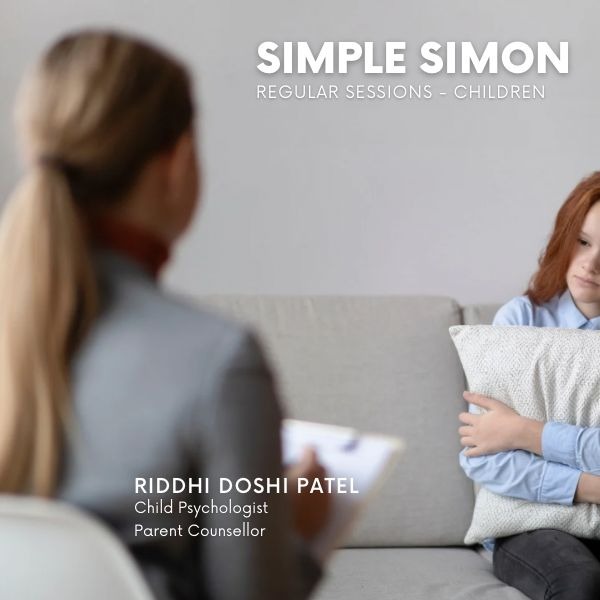


Discovery call - Just for the Young Adults
Public Speaking for Children /Teens & Young adults
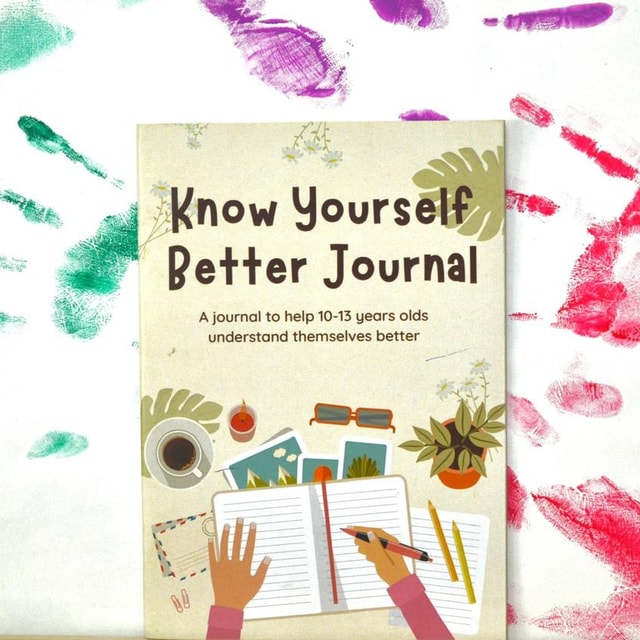

Ask me Anything
About me
Frequently asked questions
What does a child psychologist do?
A child psychologist helps children and teenagers deal with emotional, behavioural, social and academic difficulties such as anxiety, anger, low confidence, exam stress, bullying, screen dependence and adjustment issues. They use age-appropriate methods like play, storytelling, conversation and movement-based techniques, and also guide parents on handling these concerns at home. If your child has been unusually withdrawn, aggressive or anxious for a few weeks, a consultation can help you understand what is really going on.
When should parents take their child to a child psychologist?
Consider consulting one when you notice persistent changes such as sudden anger or sadness, withdrawal from friends and family, falling grades, sleep or appetite disturbances, excessive fears, school refusal, or difficulty coping after a major life event like relocation, divorce or loss. You do not need to wait for a crisis — early guidance often stops small concerns from becoming deep-rooted issues, and a first session mainly helps you see your child's behaviour with more clarity.
Should I search for a child psychologist near me or book an online consultation?
Both work well. Searching for a child psychologist near me is useful if you prefer face-to-face sessions or in-person assessments, while online consultations let you choose from a much wider pool of specialists, save travel time and allow your child to open up from the comfort of home. Either way, check the professional's qualifications in psychology, their experience with your child's age group, and book a short discovery call first to see if your child feels comfortable.
How do I find a good child psychologist in Pune or Mumbai?
Start by shortlisting professionals with a postgraduate degree in psychology and specific experience with children and teens. Whether you are looking for a child psychologist in Pune or a child psychologist in Mumbai, read client reviews, check that they involve parents respectfully in the process, and see if they offer an initial call. A good psychologist explains concerns in simple language and never makes the child or the family feel judged.
What is dance movement therapy?
Dance movement therapy is a body-mind approach to mental health that uses movement, rhythm and creative expression, rather than only talking, to help people process emotions. A session may include gentle warm-ups, improvisation, mirroring and free movement, followed by reflection. No dance training is needed — the focus is on expressing what you feel, not on technique, which makes it especially effective for children and teenagers.
How does dance movement therapy work?
Emotions often show up in the body as tension, restlessness or closed-off posture. In dance movement therapy, the therapist observes these movement patterns and gently works with them through rhythm, mirroring, breathing and guided improvisation, helping the person release stress, express feelings that are hard to put into words and build confidence. Since young children frequently cannot verbalise what they feel, movement gives them a safe and natural way to communicate.
What is dance movement therapy used for?
It is commonly used to reduce stress and anxiety, improve emotional expression, build self-confidence and body awareness, develop social skills, and support people coping with trauma or grief. It is also used alongside other interventions for children with attention, sensory or developmental needs, and increasingly by working adults for stress release and self-connection.
Can I access dance movement therapy in India online?
Yes. Dance movement therapy in India is now offered both in person and through guided online sessions, where the therapist leads you or your child through movement, breathing and rhythm exercises over video. Online sessions are a good option when trained practitioners are not available in your city, and even a small quiet space at home is enough to begin.
Where can I find dance movement therapy in Pune and Mumbai?
Dance movement therapy in Pune and dance movement therapy in Mumbai is offered by certified practitioners working from therapy studios, wellness centres, schools and mental health clinics, and many practitioners also conduct sessions online. Before starting, check that the therapist has formal training in dance movement therapy along with a psychology or counselling background, and request a short introductory call to understand how a session would work for you or your child.
What is positive parenting?
Positive parenting is an approach that focuses on building a strong connection with your child while keeping clear, consistent boundaries. Instead of punishing mistakes, it looks at the feeling behind the behaviour, guides the child with empathy, and uses encouragement rather than fear or criticism. The aim is a child who listens because they feel understood, not because they are scared.
What are some positive parenting tips I can start using today?
Some simple positive parenting tips: give your child a few minutes of undivided attention every day; name emotions out loud ("you seem frustrated") so they learn to express instead of act out; offer limited choices instead of orders; appreciate effort and not just results; keep daily routines predictable; and correct behaviour in private while praising in public. Small, consistent shifts usually work better than sudden dramatic changes.
How do I discipline my child without shouting or hitting?
Begin by seeing discipline as teaching rather than punishing. If you are wondering how to use positive discipline in daily situations, set a few firm rules and explain the reason behind them, allow natural consequences (a forgotten homework means facing the teacher), offer a calm-down corner instead of shaming, and repair with a conversation after every conflict. Children repeat behaviour that gets attention, so notice and acknowledge them when they get it right.
What is the meaning of positive parenting in Hindi?
The meaning of positive parenting in Hindi is usually expressed as "सकारात्मक पालन-पोषण" (sakaratmak palan-poshan) — raising children with warmth, respect and firm, loving boundaries rather than fear or punishment. Many Indian parents search for this phrase while explaining the concept to grandparents and elders at home, especially in joint families where more traditional, obedience-based parenting styles are still common.
When should a family consider family counselling?
Families usually benefit from counselling when the same conflicts keep repeating, conversations end in arguments or silence, siblings fight constantly, parents disagree on how to raise the children, or one member's stress is affecting everyone else. Big transitions such as relocation, divorce, illness or the loss of a loved one are also common triggers. Counselling gives every member a neutral space to feel heard and helps the family rebuild understanding and trust.
How can I help my child or teenager become more confident at public speaking?
Start small — let them narrate a story at the dinner table or speak in front of two or three relatives before facing bigger audiences. Appreciate their effort and content rather than criticising their delivery, teach simple breathing techniques for nervousness, and normalise stage fear as something everyone feels. Teenagers preparing for interviews, debates or presentations often progress faster with a structured coach or counsellor who works on voice, body language and confidence step by step.