Services
About me
Frequently asked questions
How to teach phonics step by step?
Start with single letter sounds rather than letter names — most structured programmes begin with s, a, t, p, i, n because they quickly form words like "sat", "pin" and "tap". Next, practise blending those sounds into simple words, then gradually add new sounds, word families and finally digraphs like "sh" and "ch". Keep each session to 10–15 minutes and use printable phonics worksheets for consistent daily revision.
What is a phonics worksheet?
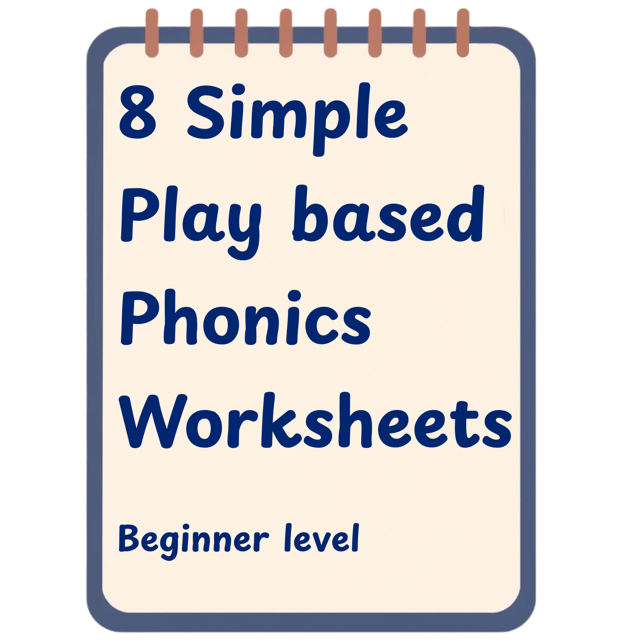
A phonics worksheet is a printable practice sheet that helps children connect letters with their sounds through activities like tracing, beginning-sound matching, colouring pictures that start with a given sound, and blending letters into words. For toddlers and preschoolers, the best ones are simple, picture-based and designed for short, playful sessions rather than long writing tasks.
How to teach phonics to kids with worksheets?
Use one worksheet for one sound at a time — introduce the sound verbally, then let your child trace the letter, circle pictures that begin with it and match letters to sounds. Follow the same routine daily so repetition builds memory, and stop while your child is still interested. Worksheets work best as a 10-minute daily habit alongside songs, games and read-alouds, not as a replacement for them.
What is a digraph in phonics worksheets?
A digraph is two letters that come together to make a single sound, such as "sh" in ship, "ch" in chat and "th" in thin. In phonics worksheets, digraphs usually appear as picture-and-word matching or missing-sound activities, and they should be introduced only after your child is comfortable blending individual letters into simple three-letter words.
What is the best phonics reading program?
The best phonics reading program is one that teaches sounds systematically — starting with a small set of letters like s, a, t, p, i, n, blending them into words early, and adding new sounds gradually. For preschoolers, look for something short, playful and consistent, supported by printable worksheets and word lists you can reuse at home. A simple daily routine matters more than any single branded programme.
Where can I download phonics worksheets PDF packs for preschoolers?
Look for instant-download PDF packs created by early-learning educators on platforms like Topmate, where you can preview the activities before buying. Choose packs that match your child's stage — beginning sounds and tracing for younger toddlers, and word blending or word families for UKG-level kids. PDFs are convenient because you can reprint the same sheet as many times as your child needs.
Are phonics worksheets for UKG helpful at home?
Yes — UKG children are usually ready to move from recognising letter sounds to blending and reading short words, and phonics worksheets for UKG give them that structured daily practice. Use them for about 10–15 minutes a day, focusing on one sound or word family at a time, and pair them with reading simple books aloud. If your child already recognises most letters, worksheet practice is one of the fastest ways to build reading confidence.
Which phonics worksheets for Jr KG should I start with?
Begin with phonics worksheets for Jr KG that focus on beginning sounds and letter tracing rather than full words — for example, a sheet where your child circles every picture that starts with "s". Introduce one letter sound at a time and revisit earlier sounds through quick revision pages. Save blending and word-building worksheets for later once most letter sounds are familiar.
What are word families in phonics?
Word families are groups of words that share the same ending sound pattern, such as -at (cat, hat, mat, rat) or -an (man, pan, can, fan). Because only the first letter changes, children quickly spot the pattern and start reading whole word chunks instead of sounding out each letter. In phonics, they are usually taught after single letter sounds because they make blending feel easier and build early reading confidence.
How to teach word families?
Start with one family — usually -at — and say the rhyming words aloud together before looking at them in print. Use a printable word list or word slider so your child can swap the first letter to make new words, then finish with a short matching or writing activity. One family per week is plenty for preschoolers and kindergarteners, with quick games to review older families.
How many word families are there in English?
English has hundreds of word families, but early reading research commonly points to around 37 core families that cover most of the short-vowel words young children encounter. In practice, preschool and kindergarten programmes focus on the most common ones — -at, -an, -ap, -in, -it, -op, -et and -ug — taught one at a time. You do not need to cover them all; even a dozen strong families give beginning readers real momentum.
How do word families worksheets help children learn to read?
Word families worksheets train children to see word chunks instead of individual letters, which speeds up decoding and makes reading feel less overwhelming. Activities like rhyming matches, fill-in-the-first-letter and picture-word sorting also build spelling and listening skills at the same time. Because each sheet repeats the same ending, children get quick wins — they can suddenly read five or six new words in one sitting, which keeps them motivated.
How do you use a word families chart?
Hang a word families chart at your child's eye level and introduce one new word family each week. Point to the family, read the words aloud together, and ask your child to spot the pattern or add their own word. Printable charts work well because you can highlight the current family with a marker and revisit older families during quick daily reviews.
Where can I find free preschool printables?
Many early-learning creators share free preschool printables through their websites, Pinterest boards and Topmate profiles, including alphabet pages, phonics sheets and routine charts. Look for printables that are low-ink, age-appropriate and genuinely playable rather than miniature worksheets with too much writing. A good test: if your 3-year-old can finish one page in about five minutes while enjoying it, the level is right.
Which preschool alphabet printables are best for 3-year-olds?
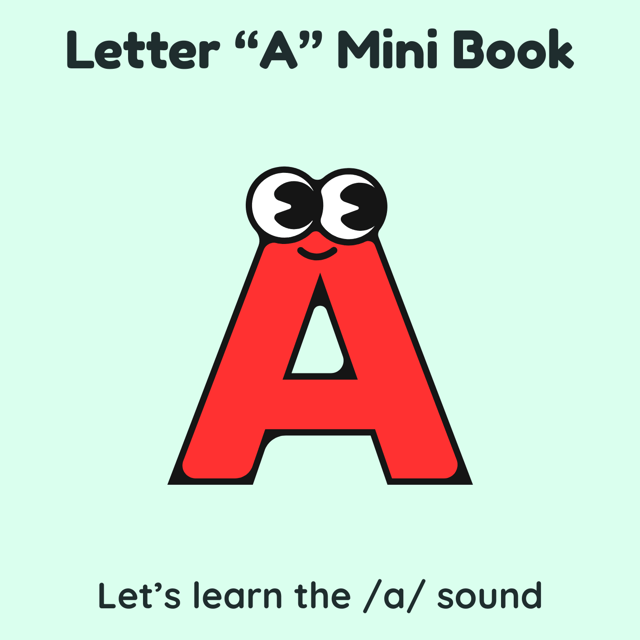
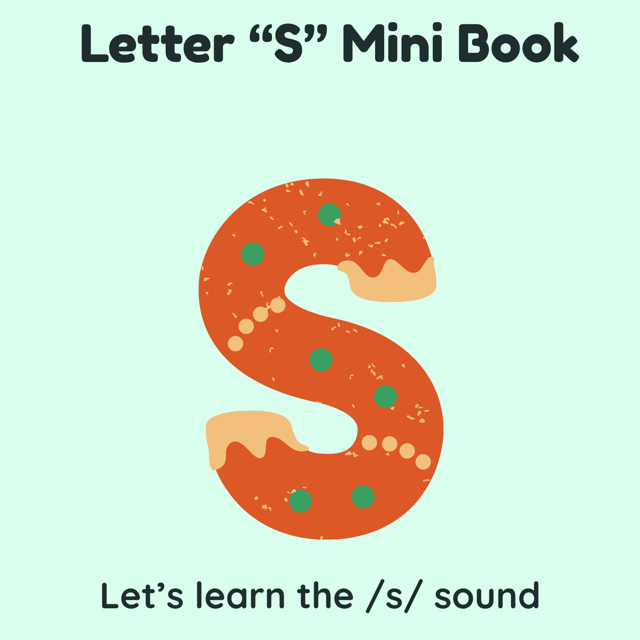
For 3-year-olds, choose preschool alphabet printables that focus on one letter at a time — mini letter books, beginning-sound colouring pages and simple tracing sheets work far better than full alphabet packs. Letter mini books are especially effective because your child colours, traces and reads a tiny book built around a single letter sound. Two or three letters a month is a perfectly normal pace at this age.