Testimonials
Services
SAP Debugging tutorial (Document for freshers)
SAP Debugging for functional consultants
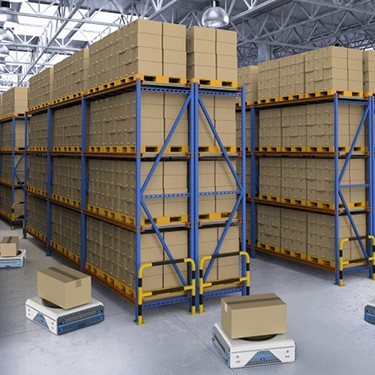
SAP EWM -Functional consultant course from Scratch

SAP MM Interview QA with project class - Realtime

SAP S4EWM Embedded Consultant Course from Scratch
About me
- SAP MM / EWMhttps://www.studyuuu.com/?m=1

Frequently asked questions
What does SAP MM stand for?
SAP MM stands for Materials Management. It is one of the core functional modules in SAP and handles procurement and inventory management — covering material master data, purchase requisitions and purchase orders, goods receipt, goods issue, invoice verification and material valuation. Since it integrates closely with SAP FI, SD, PP and QM, MM consultants are needed in almost every SAP project.
Is SAP MM easy to learn?
Yes, SAP MM is considered one of the easier SAP modules to learn because it is functional and does not require coding. What matters is how well you understand business processes like procurement and inventory management and how comfortably you can work in the system, which is why people from commerce, supply chain and other non-IT backgrounds regularly switch to it. The real challenge is not the basics — it is handling real-time scenarios, configuration and project work, and that is where structured guidance helps.
What is the best SAP MM tutorial for beginners to start with?
A good SAP MM tutorial for beginners should follow a structured flow — SAP navigation and organizational structure, master data, the end-to-end procurement process from PR to PO to goods receipt to invoice verification, inventory management with movement types, and then MM-FI integration — with demos on an actual system instead of only theory. The YouTube channel "Studyuuu SAP MM/EWM" by Ramakrishna Manyam covers exactly this flow in simple language and is a solid free starting point before moving to project-level training.
What is the SAP EWM full form?
EWM stands for Extended Warehouse Management. It is SAP's advanced warehouse management solution that succeeded the older SAP WM and now runs embedded in S/4HANA, commonly called S/4EWM. It manages warehouse operations at a much deeper level than plain inventory management — bin-level tracking, putaway and picking strategies, wave management, RF scanning and yard management.
What is SAP EWM used for?
SAP EWM is used by companies that need fine-grained control over warehouse operations. It handles the complete flow — goods receipt, putaway, picking, packing, staging and shipping — along with slotting, wave management, value-added services, labor management, RF devices and yard management. You will typically find it in retail, e-commerce, pharma, 3PL and manufacturing businesses with high warehouse volumes, and since legacy WM is being phased out with S/4HANA, the SAP EWM module is seeing growing demand.
What is an SAP EWM consultant?
An SAP EWM consultant is a functional consultant who designs, configures and supports warehouse processes in SAP Extended Warehouse Management. The role includes requirement gathering, blueprinting, configuration of inbound, outbound and internal warehouse processes, testing, data migration, cutover and post-go-live support in implementation projects, or incident and change request handling in support and rollout projects. With S/4HANA migrations underway across industries, embedded EWM skills are especially valued.
How to learn SAP EWM from scratch, and what are the typical SAP EWM course fees in India?
The right way to learn SAP EWM is to first build warehouse management fundamentals, then follow a sequence — warehouse structure, master data, inbound processing, outbound processing, internal movements, and advanced topics like wave management, slotting and RF — with hands-on practice on a training system after every topic. Free content like the "Studyuuu SAP MM/EWM" YouTube channel is a good start, while structured options such as the SAP EWM Functional Consultant course from scratch and the S/4EWM Embedded Consultant course offered by Ramakrishna Manyam take you to a job-ready level. SAP EWM course fees vary widely — classroom institutes in major Indian cities commonly charge upwards of ₹25,000–₹50,000, while structured online programs usually cost far less, so always check what system access and project-level content you are actually getting before paying.
Do I need an SAP EWM certification to get a job as an EWM consultant?
An SAP EWM certification can help your profile get shortlisted, especially if you are a fresher or applying through consulting partners, but it is not a job ticket by itself. Hiring managers weight real warehouse process knowledge, configuration understanding and project scenarios far more heavily in interviews. Plenty of working EWM consultants are not certified but are strong on real-time skills, so if budget is tight, invest in practical project-based learning first and treat certification as an optional add-on.
How do I get my first SAP EWM job in India?
Demand for SAP EWM jobs in India is rising because companies are moving from legacy WM to EWM as part of S/4HANA migrations, and there are far fewer EWM specialists than MM consultants. To land your first role, focus on learning embedded EWM, practising complete inbound and outbound scenarios on a system, and preparing project-style interview answers instead of only theory. Referrals and visibility matter a lot in this niche, so engage with SAP communities and mentors — Ramakrishna Manyam also offers 1:1 guidance for landing SAP roles in India or abroad.
What is the average SAP EWM consultant salary in India?
The SAP EWM consultant salary in India depends heavily on experience, city and the type of projects you have handled. As a rough indication, freshers typically start around ₹3.5–6 LPA, consultants with 3–5 years of solid project experience usually earn around ₹8–15 LPA, and senior consultants with S/4HANA EWM migration experience can cross ₹18–20 LPA. EWM consultants often command a premium over general functional consultants simply because the talent pool is much smaller.
What are the most common SAP MM interview questions and answers asked in real interviews?
In actual interviews, SAP MM interview questions and answers go far beyond definitions — expect the end-to-end procurement cycle, movement types, pricing procedure, release strategy, account determination (OBYC), split valuation, subcontracting and stock transport orders, plus scenario questions like "explain your current project" and "tell me about a ticket you solved". Since interviews are project driven, prepare from a topic-wise SAP MM interview questions and answers PDF built on real project scenarios instead of generic theory lists — Ramakrishna Manyam's real-time SAP MM interview QA packages on Topmate are made exactly for this.
I am a fresher — what kind of SAP MM interview questions should I prepare?
Most SAP MM interview questions for freshers test concept clarity since there is no project experience to probe — expect questions on what SAP MM is, organizational structure (company code, plant, storage location, purchasing organization), material and vendor master data, the procurement cycle, movement types, MRP basics and three-way matching. The best fresher tip is to explain one full process confidently end to end, because that instantly separates you from candidates who only memorize definitions.
I have 2 years of SAP MM experience — what kind of interview questions should I expect?
Most SAP MM interview questions for 2 years of experience candidates are scenario and project based — your role in implementation, support or rollout, the configuration you have actually done (release strategy, output determination, OBYC settings), integration with FI/SD/PP/QM, IDoc and ticket handling, and debugging issues you resolved. Candidates with around 3 years of experience also face deeper questions on process ownership and redesign. Keep 6–8 real examples from your project ready, because at this level interviewers care more about what you did than what the textbook says.
How to crack an SAP MM interview in the first attempt?
To crack an SAP MM interview, prepare in layers: know the end-to-end processes cold, be able to summarize your project in two minutes, keep 8–10 real scenarios and tickets ready, revise movement types, pricing procedure and integration points, and practise answering out loud or through mock sessions. Interviewers reject bookish definitions, so always answer with examples. If you want a professional check before the real interview, Ramakrishna Manyam conducts 1:1 guidance calls for SAP MM interview preparation and job strategy.
What are the most asked SAP EWM interview questions in real project interviews?
Real-time SAP EWM interview questions focus on warehouse structure (warehouse number, storage type, section, bin, activity area), inbound and outbound processing with delivery documents, warehouse tasks and orders, pick-pack-ship flow, wave management, slotting and rearrangement, yard management, VAS, RF framework, PPF, exception handling, and the difference between decentralized EWM and embedded EWM in S/4HANA. Because EWM interviews are almost always project driven, preparing from project-related QA material like the SAP EWM realtime interview QA offered by Ramakrishna Manyam makes a bigger difference than reading generic blogs.