Testimonials
Services



Strategic Consultation

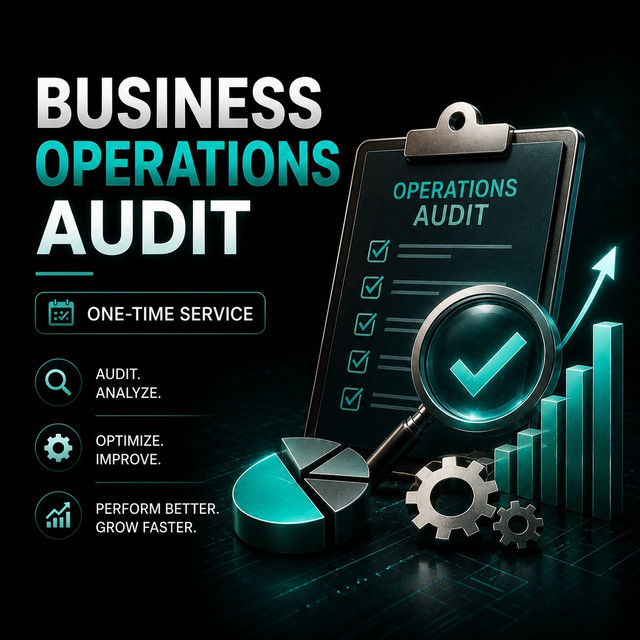
Business Operations Audit


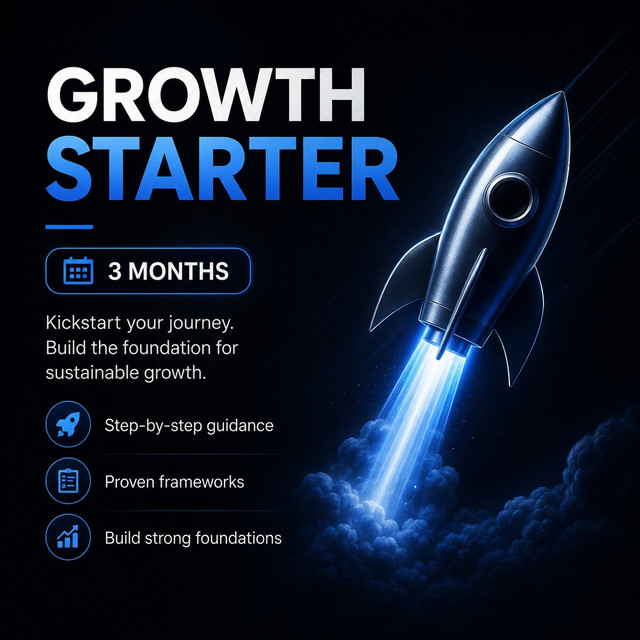
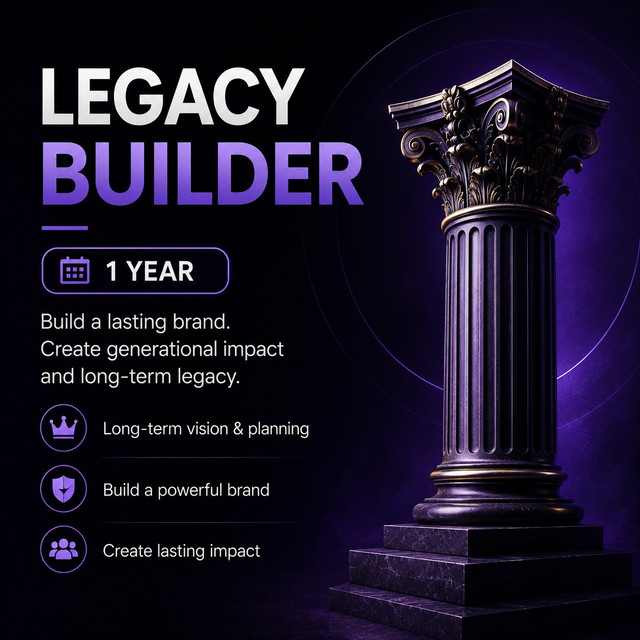
About me
- Raheel did a great job helping me set my business and guide me on all the processes and regulations.Recommended by Fahad on

- Business Consultant In USA For Global Entrepreneur - Raheel Sheikhhttps://rrsheikh.com/

- 5% Off Service Charges for the First 20 People

Frequently asked questions
How to create a business growth plan?
If you want to know how to create a business growth plan, start with an honest picture of where you are today: revenue, margins, customer acquisition costs, and team capacity. Then set one to three measurable 12-month goals, choose the growth levers you'll pull (more customers, higher order value, new markets, or new offers), and break the plan into quarterly milestones with owners and budgets. Review it monthly — a growth plan is a working document, not a one-time exercise.
How to develop a business growth strategy?
Developing a business growth strategy is about making choices, not listing wishes. Study your market and competitors, decide which customer segments you'll focus on, and pick one or two growth vectors — deeper market penetration, new geographies, new products, partnerships, or premium positioning. Test each move on a small scale before committing serious budget, and confirm your operations and team can actually handle the additional demand.
What is a business development strategy?
A business development strategy is the plan for creating new opportunities through relationships and channels — partnerships, referrals, strategic alliances, new distribution routes, and key account growth. Where a broader growth strategy covers pricing, products, and overall positioning, business development focuses specifically on opening doors: who you partner with, which markets you enter through allies, and how you generate opportunities beyond everyday sales.
What is a business expansion strategy?
A business expansion strategy is the roadmap for growing beyond your current footprint — new locations, new regions or countries, new products or services, new customer segments, or franchising. Expansion usually makes sense when your core business is consistently profitable, operations run smoothly without constant firefighting, and cash flow can absorb the upfront investment. Expanding before the core is stable is one of the most common reasons growth efforts collapse.
How to do strategic planning for a small business?
Keep it simple but disciplined. Once a year, revisit your mission, analyze your market and competition, and choose three to five priorities for the year ahead. Translate those priorities into quarterly objectives with clear owners and KPIs, then hold monthly or quarterly reviews to course-correct. Strategic planning for a small business doesn't require a 60-page document — it requires focus, written priorities, and consistent follow-through.
How to write a business plan for a startup?
Keep the business plan for a startup lean and evidence-based. Cover the problem you solve, your target market and its size, your business model and pricing, how you'll acquire customers, the competitive landscape, your team, and 12–24 months of financial projections including cash flow. If you're raising money, add your funding ask and exactly how you'll use it. Investors care more about traction and realistic numbers than polished formatting.
What is the business planning process?
The business planning process typically runs through five stages: research and analysis (market, customers, competitors), goal setting, strategy formulation, drafting the plan with budgets and timelines, and implementation with regular reviews. Each stage forces you to test assumptions about demand, costs, and capacity before you commit money — plans that skip the research and review stages usually end up shelved within a few months.
What is business planning in entrepreneurship?
Business planning in entrepreneurship is the process of turning an idea into a workable business model — defining who you serve, what you'll sell, how you'll make money, and what resources you need. It is prepared to test feasibility, attract investors or lenders, set priorities, and give the founder a benchmark for measuring progress. For most founders, a simple, realistic plan beats a long, impressive one.
How to scale up a business without breaking your operations?
Scaling exposes every weak point in a company, so fix the foundation before you scale up a business: documented processes, clear roles, reliable delivery, and predictable cash flow. Automate or delegate repeatable work, hire ahead of demand for critical roles, and grow sales only as fast as operations can serve new customers well. Many founders bring in an outside consultant for an operations audit at this stage, because bottlenecks are hard to see from inside the business.
How does scaling a business work?
Scaling a business works by increasing revenue much faster than costs. Instead of doubling your team to double your output, you build leverage — systems, automation, technology, and repeatable processes — so each additional customer costs less to serve than the last. Growth adds resources in line with revenue; scaling multiplies output with proportionally fewer resources. That's why scalability depends on margins, processes, and a repeatable sales motion rather than more marketing spend alone.
Scaling a business vs growing a business — what's the difference?
Growing a business means adding revenue by adding resources — more staff, more locations, more ad spend — so costs rise alongside income. Scaling means adding revenue without a proportional rise in costs, so margins expand as you grow. A restaurant opening a second location is growing; a software company adding thousands of users on the same platform is scaling. Both are legitimate — scaling simply offers more leverage once the model is proven.
What are some business growth strategy examples?
The most common business growth strategy examples include market penetration (winning more share in your current market), market development (selling to new regions or segments), product expansion (new offers for existing customers), diversification, strategic partnerships, franchising or licensing, and tiered or premium pricing. Real companies usually combine two or three of these moves instead of chasing everything at once — for example, improving retention while launching a higher-tier offer.
What is a business growth strategy framework?
A business growth strategy framework is a structured way to choose and organize your growth moves. Widely used ones include the Ansoff Matrix (market penetration, market development, product development, diversification), the Three Horizons model for balancing today's core business with future bets, OKRs for execution, and retention-first analyses that fix leaks before spending on new leads. A framework doesn't create growth by itself — it ensures you're asking the right questions in the right order.
Is a business growth strategy course worth it?
A business growth strategy course is worth it when you want to learn frameworks and planning methods at a low cost and build the plan yourself. What a course can't do is look at your specific numbers, market, and bottlenecks. If your business has plateaued despite your own efforts, personalized consulting usually moves the needle faster than another generic curriculum — a sensible path is to use a course to learn the concepts and a consultant to apply them to your situation.
When should I hire a business growth strategy consultant?
A business growth strategy consultant makes sense when revenue has plateaued despite heavy marketing, growth is creating operational chaos, you're too deep in day-to-day work to see the real bottleneck, or you're preparing for a major move like expansion and can't afford missteps. Look for proven, hands-on experience — advisors like Raheel Sheikh, a Forbes Business Council member with 20+ years in business and 2,500+ corporate clients, base their recommendations on patterns from real companies rather than theory.