Testimonials
Services
Priority DM service
BITSAT + Priority DM
BITSAT 2027 DROPPERS
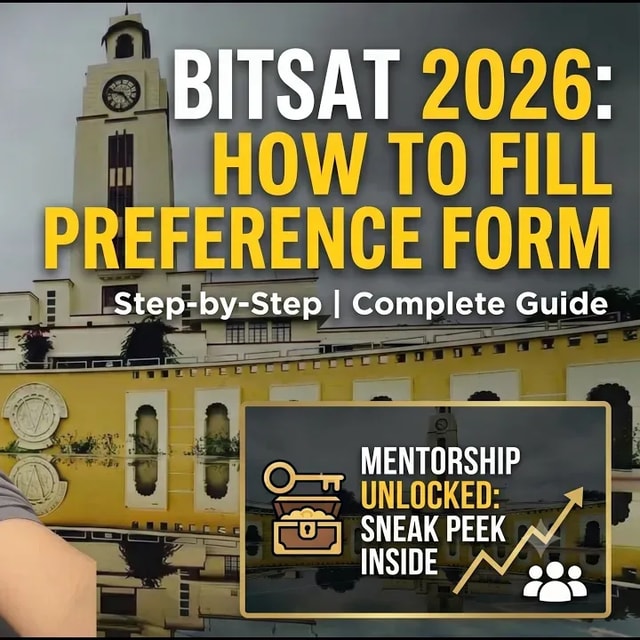
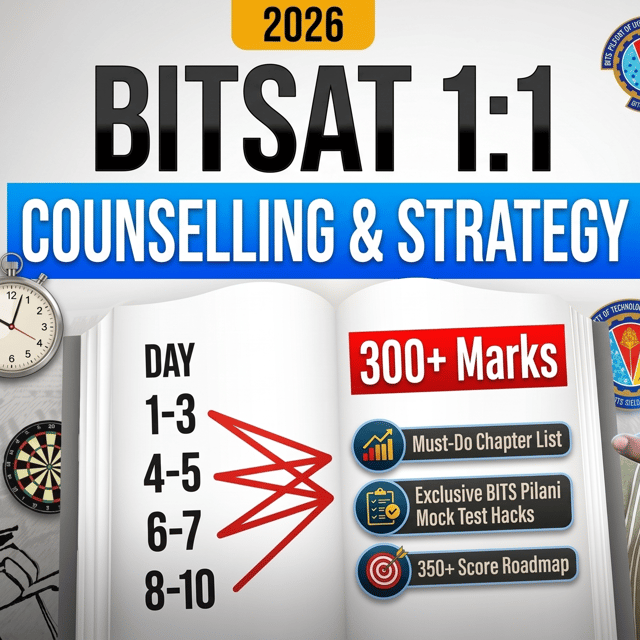
Private + Priority DM

Private 1:1 College Counseling Strategy Session

BITSAT + Private + Priority DM
About me
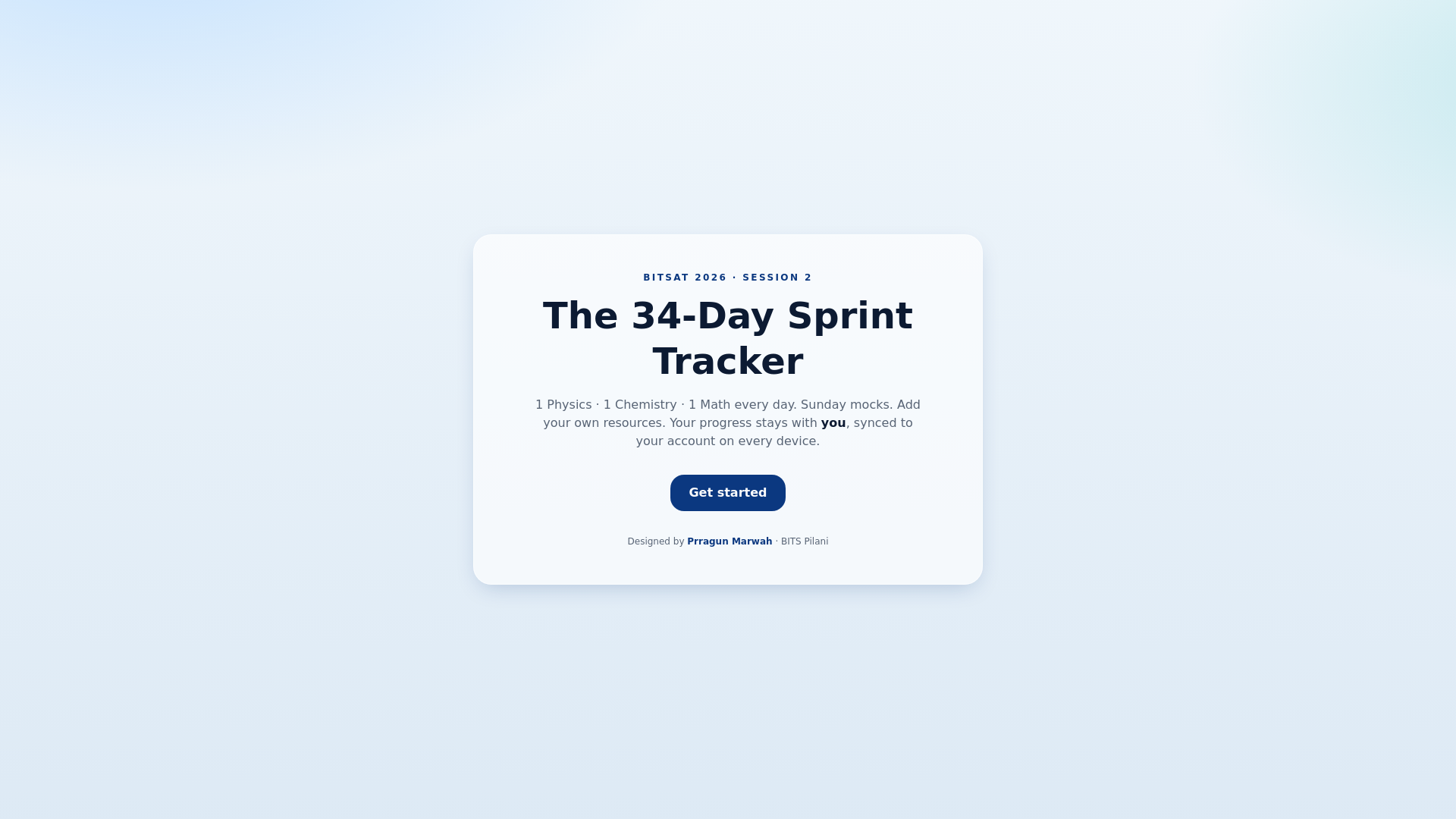
- BITSAT 2026 Session 2 Tracker · Prragun Marwahhttps://bitsatsession2planner.lovable.app
Frequently asked questions
How to prepare for BITSAT?
Build your basics on NCERT first, since the BITSAT syllabus is largely NCERT-aligned, and don't skip the two sections JEE aspirants usually ignore — English Proficiency and Logical Reasoning. BITSAT is more of a speed test than JEE, so along with concept clarity, practise chapter-wise questions with a timer, take full-length mocks regularly, and analyse every mock to fix repeat mistakes. A consistent 4–6 hours of focused daily study beats an unrealistic 12-hour timetable you'll abandon in a week.
How to start BITSAT preparation?
Start with a diagnostic mock to honestly see where you stand, then break the entire syllabus into weekly targets instead of a vague "study more" plan. Cover NCERT line by line for Physics, Chemistry and Maths, keep a separate slot for English and Logical Reasoning from day one, and clear backlogs every weekend so they don't pile up. If you're starting in Class 11, focus on concepts; if you're in Class 12 or a dropper, shift into PYQs and mocks much earlier.
What is the best BITSAT preparation strategy?
The core strategy is speed with accuracy: roughly a minute per question, +3 for a correct answer and −1 for a wrong one, so blind guessing quietly kills your score. Lock the easy English and Logical Reasoning marks early, attempt your strongest sections first, skip and return to time sinks, and never leave a known question unattempted. In the last two months, take at least one full-length mock a week and maintain an error log — most rank jumps come from eliminating repeat mistakes, not from new books.
What are the best BITSAT preparation books?
The most reliable combination is NCERT for Physics, Chemistry and Maths, one dedicated BITSAT guide that includes English Proficiency and Logical Reasoning practice (most JEE books don't cover these), previous year papers, and a good online mock series. That's genuinely enough — students lose months hunting for PDFs and stacking ten books they never finish. One guide finished thoroughly with timed practice beats five guides skim-read.
Is BITSAT preparation coaching necessary, or is self-study enough?
Coaching is not compulsory for BITSAT — plenty of top scorers are self-study students. What actually decides your score is a structured plan, regular mocks and honest analysis, whether an institute gives you that or you build it yourself. Where structured coaching helps is discipline and doubt-clearing; if that's missing in your setup, a personalised 1:1 guidance session with a senior who has actually cracked BITSAT is a far cheaper middle path than a full coaching fee.
What is the BITSAT counselling process?
After BITSAT results, you register for admission on the official BITS admission portal, pay the application fee, and fill your preference form — the order of campuses and degrees you list. Seats are then allotted across multiple iterations based on your score, preferences and available vacancies; you either pay the admission fee to lock your seat or stay waitlisted for the next iteration. Most mistakes happen at the preference-filling stage, so get your order reviewed before submitting — a careless order can cost you a better branch even with a good score.
When will BITSAT counselling 2026 start?
The BITSAT counselling 2026 cycle is expected to begin shortly after the Session-2 results and scorecards, usually around June–July, with the first iteration list following a few weeks after preference filling. Exact dates are released only on the official BITS admission portal, so keep your documents and a ready preference list in advance instead of scrambling after the notification.
How to check BITSAT counselling result?
All iteration results, admission lists and waitlist updates are published only on the official BITS Pilani admission portal. Log in with your application number and password, open the admission/iteration results section, and download the relevant list to see whether you're admitted, waitlisted, or not allotted in that round. Results come iteration-wise on announced dates, so check the portal after each iteration instead of relying on random Telegram "result" links.
What is a waitlist in BITS counselling?
A waitlist means your BITSAT score wasn't enough for a seat in that iteration, but you're in the queue if one opens up. When higher-preference candidates withdraw, miss the fee deadline, or shift to another campus, seats free up and waitlisted students move up in the next iteration. If you've already been admitted to a lower preference, you can stay on the waitlist for a higher one and get upgraded later — so never panic-quit after Iteration 1.
What are the BITSAT counselling fees?
You pay a non-refundable application/registration fee when you apply for admission after your BITSAT result — typically a few thousand rupees, revised every year. This is separate from the much larger admission fee, which you pay only after a seat is actually allotted to you in an iteration. Always confirm the current amounts on the official portal before paying, and don't hand money to any "agent" charging extra for preference filling — BITS doesn't authorise middlemen for counselling.
How to get admission in BITS Pilani?
The only route is a good BITSAT score — there's no donation or management quota. The BITS Pilani admission process runs like this: register for BITSAT (usually two sessions a year), meet the Class 12 eligibility criteria, appear for the exam, then register for counselling, fill your campus and degree preferences, and secure a seat through the iteration lists. First-rank holders of state and central boards get direct admission as a special case, but for everyone else, everything depends on your BITSAT score and a smart preference order.
What are the BITS Pilani admission criteria?
You need two things: Class 12 eligibility and a BITSAT score. For eligibility, you must have passed 12th with Physics, Chemistry and Maths from a recognised board, with at least 60% in each subject and 75% in aggregate (PCM), in the current or previous year. Beyond that, admission depends purely on your BITSAT score and the cut-offs for each campus and branch — there's no interview, no board-weightage formula and no separate entrance beyond BITSAT.
What are the BITS Pilani admission fees?
The BITS Pilani admission fees are revised every year, so treat any old blog figure as outdated. Broadly, you pay a one-time admission fee when you accept your seat, then tuition per semester plus hostel and mess charges — putting the total among the higher private engineering costs in India. The offset is that BITS offers merit and merit-cum-need scholarships that can substantially cut costs for well-performing students. Confirm the current semester-wise structure on the official admission portal before planning finances.
Is there a separate BITS Pilani admission process for B.Tech?
No — and this confuses thousands of students every year. BITS Pilani's engineering degrees are formally awarded as B.E. (Bachelor of Engineering), not B.Tech, but the B.E. is the same four-year professional degree with the same industry value. So there's no separate B.Tech exam, quota or route: every engineering seat at BITS is filled through the same BITSAT-based admission process, whichever branch you're aiming for.
Is taking a drop year for BITSAT a good idea?
A drop year is worth it only if three things are true: your score gap is realistically bridgeable in one year, you honestly know what went wrong the first time, and you can run a disciplined, self-driven routine without school structure. Droppers who succeed treat the year like a full-time job — fixed timetable, weekly targets, regular mocks. If you're dropping out of panic or peer pressure rather than a plan, talk it through with someone who has actually lived that cycle before locking the decision.