Testimonials
Services
𝐀𝐈 𝐟𝐨𝐫 𝐒𝐜𝐫𝐮𝐦 + 𝐀𝐠𝐞𝐧𝐭 𝐀𝐈 𝐢𝐧 𝐒𝐜𝐫𝐮𝐦
𝐒𝐜𝐫𝐮𝐦 𝐌𝐚𝐬𝐭𝐞𝐫 - 𝐂𝐨𝐦𝐩𝐥𝐞𝐭𝐞 𝐏𝐚𝐜𝐤𝐚𝐠𝐞
𝗔𝗜 & 𝗣𝗿𝗼𝗷𝗲𝗰𝘁 𝗠𝗮𝗻𝗮𝗴𝗲𝗺𝗲𝗻𝘁 𝗧𝗼𝗼𝗹𝗸𝗶𝘁
𝗔𝗜 + 𝐀𝐳𝐮𝐫𝐞𝐃𝐞𝐯𝐎𝐩𝐬 𝐂𝐨𝐦𝐩𝐥𝐞𝐭𝐞 𝐒𝐞𝐭𝐮𝐩
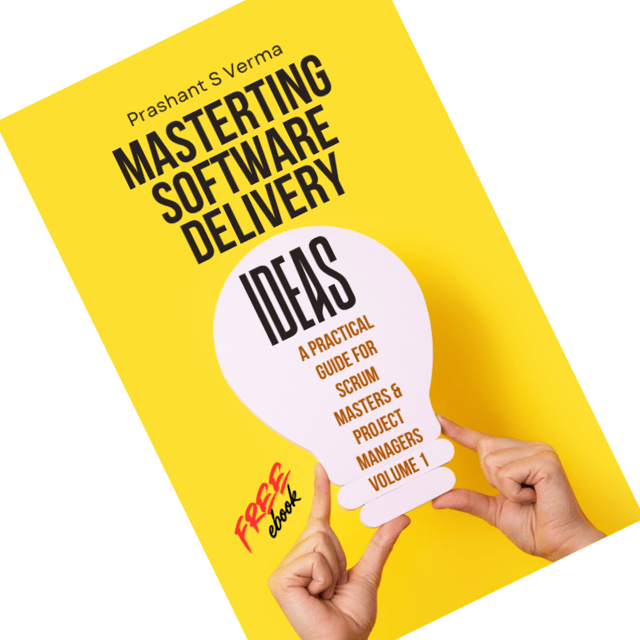
Mastering Software Delivery for SM's & PM's
𝐀𝐥𝐥-𝐢𝐧-𝐎𝐧𝐞 𝐈𝐧𝐭𝐞𝐫𝐯𝐢𝐞𝐰 𝐓𝐨𝐨𝐥𝐤𝐢𝐭
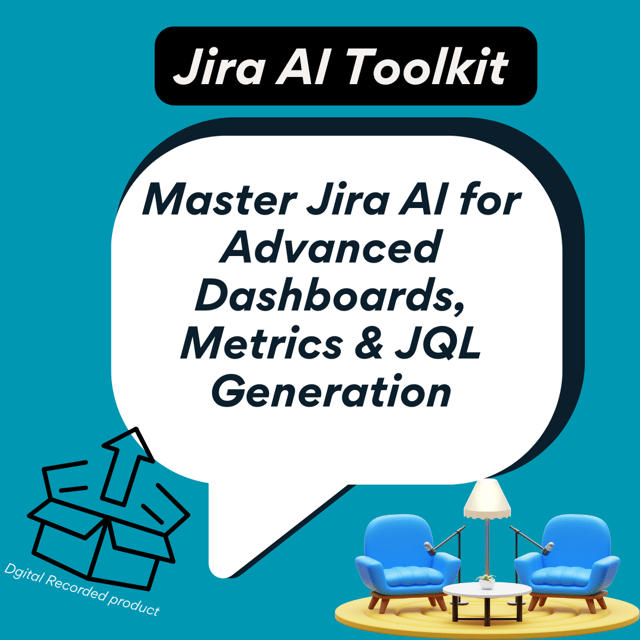
𝗠𝗮𝘀𝘁𝗲𝗿𝗶𝗻𝗴 𝗝𝗶𝗿𝗮 𝗔𝗜: 𝗗𝗮𝘀𝗵𝗯𝗼𝗮𝗿𝗱, 𝗠𝗲𝘁𝗿𝗶𝗰 & 𝗝𝗤𝗟
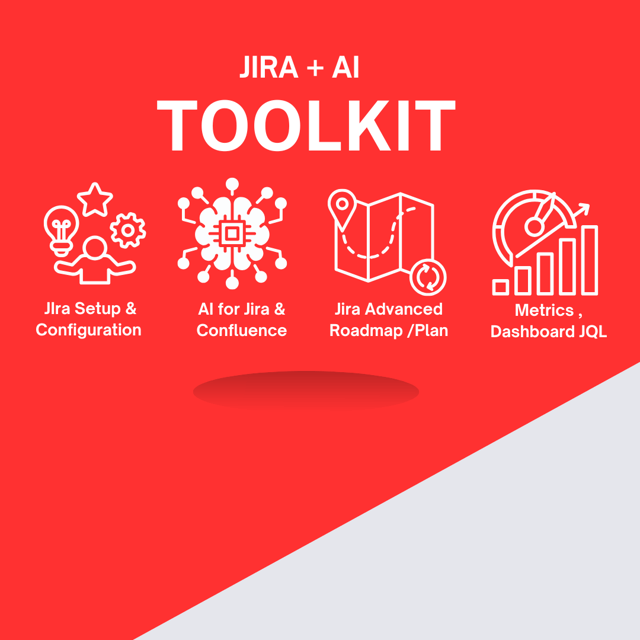
𝐉𝐢𝐫𝐚 + 𝐀𝐈: 𝐂𝐨𝐦𝐩𝐥𝐞𝐭𝐞 𝐓𝐨𝐨𝐥𝐤𝐢𝐭
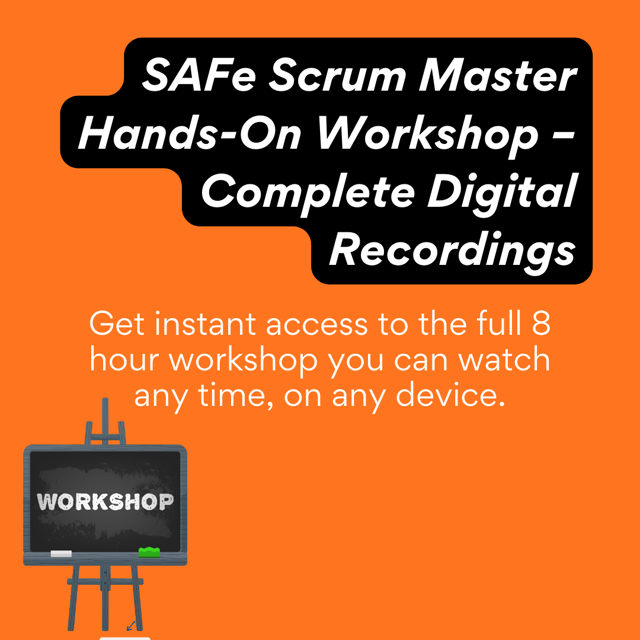
𝐒𝐀𝐅𝐞 𝐒𝐜𝐫𝐮𝐦 𝐌𝐚𝐬𝐭𝐞𝐫 𝐖𝐨𝐫𝐤𝐬𝐡𝐨𝐩 – 𝐃𝐢𝐠𝐢𝐭𝐚𝐥 𝐑𝐞𝐜𝐨𝐫𝐝𝐢𝐧𝐠

About me
Frequently asked questions
How to use AI in the Scrum Master role?
Start by applying AI to the most time-consuming parts of the role: drafting sprint agendas, summarising stand-ups, generating sprint reports, refining user stories, and analysing retrospective feedback. Tools like ChatGPT, Microsoft Copilot, and Jira AI automation can handle status updates, stakeholder communication, and metrics dashboards, freeing the Scrum Master to focus on facilitation, coaching, and removing blockers. Treat AI as an assistant for repetitive work, not a replacement for servant leadership.
How to become an AI Scrum Master?
An AI Scrum Master is a Scrum Master who uses AI tools and agentic workflows to run Scrum events, manage backlogs, track metrics, and automate reporting. The path is: (1) build strong Scrum fundamentals through a recognised certification, (2) learn hands-on AI skills such as prompting, Copilot, and AI-powered Jira automation, and (3) practise applying AI to real ceremonies and sprint workflows until it becomes second nature. Guided mentorship shortens this transition considerably — it is exactly the gap mentors like Prashant Verma fill for Scrum Masters moving into AI-enabled roles.
Is an AI Scrum Master certification worth it, or is a hands-on course enough?
There is no single industry-standard AI Scrum Master certification the way CSM or PSM is for core Scrum, so most employers look for proof that you can actually apply AI in a Scrum environment. A foundational Scrum certification (CSM, PSM, or SAFe) combined with a practical AI Scrum Master course that includes live workflows, Jira AI use cases, and prompt practice usually carries more weight than a standalone AI certificate. If you already hold a Scrum certification, hands-on AI training is the higher-value next step.
Are there real AI Scrum Master jobs in India?
Yes — hiring in India's IT services firms, product companies, and Global Capability Centres is moving toward hybrid roles, and AI Scrum Master jobs typically appear under titles like Scrum Master, Agile Coach, or Delivery Manager with AI, Copilot, or automation listed in the description. The standalone "AI Scrum Master" title is still rare on job portals, so filter for Scrum roles that mention AI or workflow automation — these positions generally command a premium over traditional openings.
How to get a Scrum Master job without experience?
Create demonstrable experience before the job: volunteer to run stand-ups or retrospectives in your current team, earn a Scrum certification, manage a personal or open-source project using Scrum in Jira or Azure DevOps, and document the outcomes on LinkedIn. In India, most first Scrum Master roles are won through internal transfers and interview performance, so rehearse the most common Scrum Master interview questions via mock interviews with detailed feedback. A mentor who reviews your answers and profile can cut the trial-and-error period sharply.
How much does a Scrum Master make in India?
How much a Scrum Master make depends on city, company type, and domain, but broad bands are fairly consistent: entry-level Scrum Masters typically earn around ₹6–10 LPA, mid-level professionals with 3–6 years of experience roughly ₹12–20 LPA, and senior Scrum Masters or Agile Coaches in product companies and GCCs can cross ₹25–30 LPA. Adding AI, DevOps, and Jira automation skills is currently one of the fastest ways to move into the higher bands.
What jobs can you get with a Scrum Master certification?
A Scrum Master certification opens doors well beyond the Scrum Master title — common destinations include Agile Coach, Delivery Manager, Project Manager, Product Owner, Release Train Engineer (in SAFe environments), Team Lead, and agile transformation roles. In India, IT services firms, product companies, and startups hire certified Scrum professionals across software delivery, and pairing the certification with AI and DevOps skills extends your range into AI-enabled delivery roles.
What does the Scrum Master career path look like?
A typical Scrum Master career path moves from Scrum Master to Senior Scrum Master, then branches into Agile Coach, Release Train Engineer in SAFe setups, Delivery Manager, or head-of-delivery leadership. With 3–5 years of experience, many professionals also pivot into Product Management or program management. The path is shifting — Scrum Masters who add AI, automation, and engineering workflow skills are progressing faster because they improve delivery outcomes directly instead of only facilitating ceremonies.
What is agentic AI and how does it work?
Agentic AI refers to AI systems that don't just respond to a single prompt but can plan multi-step tasks, make decisions, use tools, and complete goals with minimal supervision. It works in a loop: the agent receives an objective, breaks it into steps, executes them using tools (browsers, APIs, Jira, code), checks the results, and self-corrects until the task is done. Common agentic AI examples include coding agents, research agents, customer support agents, and Copilot-style assistants that take actions inside your tools rather than only generating text.
Agentic AI vs generative AI — what's the difference?
Generative AI creates content — text, images, code, summaries — from a prompt, and stops there. Agentic AI uses generative models as its "brain" but adds planning, memory, and tool use, so it can complete multi-step tasks end-to-end, such as updating a Jira board, generating a sprint report, and emailing stakeholders without being told each step. In short: generative AI answers, agentic AI acts.
How do you apply agentic AI in Scrum?
Agentic AI in Scrum usually shows up as agents connected to your delivery tools: an agent that grooms the backlog by splitting oversized stories, a reporting agent that pulls Jira data and writes stakeholder updates, a retro agent that clusters team feedback into themes, or a stand-up summariser that posts daily updates to Teams or Slack. The practical starting point is automating one repetitive workflow — most teams begin with reporting or backlog hygiene — and expanding to multi-agent workflows once you trust the outputs.
How to learn agentic AI?
The fastest route is project-first learning: understand the basics of LLMs and prompting, then build small agents on accessible platforms before moving to frameworks like LangChain, CrewAI, or Microsoft Copilot Studio. Structured agentic AI courses are worth it if you want guided labs, templates, and feedback instead of piecing together scattered free content — pick ones that make you build real agents, not just theory. For Scrum Masters and project professionals, courses that teach agents in the context of Jira, Azure DevOps, and sprint workflows make the learning immediately usable at work.
How to build agentic AI as a beginner?
Start small: pick one repetitive task, choose a no-code or low-code platform (Copilot Studio, custom GPTs with actions, or automation tools like Zapier or n8n connected to an LLM), connect it to your tools such as Jira or email, and give it clear instructions, guardrails, and a way to verify output. Once the basic agent works, add memory, multi-step planning, and tool calls. Beginners progress fastest by modifying a working template — hands-on workshops where you build a Copilot agent step by step shorten the path considerably.
Which agentic AI tools should beginners start with?
The most practical agentic AI tools for beginners are ChatGPT (custom GPTs and scheduled tasks), Microsoft Copilot and Copilot Studio for Microsoft 365 environments, Claude's agent capabilities, and automation platforms like Zapier, Make, or n8n connected to an LLM. Scrum Masters and delivery teams usually get the quickest wins by wiring an agent into Jira or Azure DevOps for reporting and backlog automation. Pick one tool, ship a working mini-agent, then expand — tool-hopping without shipping anything is the most common beginner mistake.
How to use AI in DevOps?
AI now supports every stage of the DevOps lifecycle: Copilot-style assistants for writing and reviewing code, AI in CI/CD pipelines for smarter test selection and failure analysis, agents for incident summarisation and root-cause hints, and AI dashboards in Azure DevOps and Jira for delivery forecasting. For Scrum Masters and delivery managers, the entry point is usually GitHub Copilot plus AI-assisted pipeline monitoring — automating build insights, release notes, and sprint-to-deployment reporting delivers immediate, visible value to engineering teams.