Empowering Students for HR Career Success
Pragati Srivastava

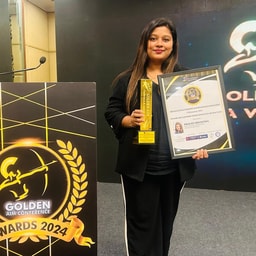
Supporting students in their journey to build a career in Human Resources (HR) involves a combination of education, practical experience, and professional development. By providing guidance, resources, and opportunities, we can help students develop the necessary skills and knowledge to succeed in the HR field.
1. Educational Foundations: Encourage students to pursue relevant educational qualifications, such as degrees in Human Resources, Business Administration, Psychology, or related fields. Highlight the importance of understanding key HR concepts, including recruitment, employee relations, performance management, and labor laws.
2. Skill Development: Help students acquire essential HR skills through workshops, seminars, and online courses. Key skills include:
- Communication: Effective verbal and written communication skills for interacting with employees and management.
- Interpersonal Skills: Building strong relationships and handling conflicts with empathy and professionalism.
- Organizational Skills: Managing multiple tasks, deadlines, and HR processes efficiently.
- Analytical Skills: Analyzing data and metrics to make informed HR decisions.
3. Practical Experience: Encourage students to gain practical experience through internships, part-time jobs, or volunteer positions in HR departments. Real-world experience provides valuable insights into daily HR operations and helps students apply theoretical knowledge in practical settings.
4. Networking: Guide students to join professional HR organizations and networking groups. Attending industry events, conferences, and online forums can help them connect with experienced HR professionals, mentors, and potential employers.
5. Mentorship: Pair students with experienced HR mentors who can provide guidance, advice, and support. Mentorship helps students navigate their career paths, set goals, and overcome challenges.
6. Career Resources: Provide students with access to career resources such as resume writing services, interview preparation workshops, and job search platforms. Help them create strong resumes and cover letters tailored to HR positions.
7. Certification: Encourage students to pursue HR certifications, such as SHRM-CP (Society for Human Resource Management Certified Professional) or PHR (Professional in Human Resources). Certifications can enhance their credibility and marketability in the job market.
8. Continuous Learning: Emphasize the importance of lifelong learning and staying updated with the latest HR trends, technologies, and best practices. Encourage students to read HR journals, follow industry blogs, and participate in continuing education programs.
9. Soft Skills: Highlight the significance of developing soft skills, such as empathy, cultural awareness, and ethical decision-making. These skills are crucial for building a positive workplace culture and effectively managing diverse teams.
By providing a comprehensive support system that includes education, practical experience, networking, mentorship, and continuous learning, we can help students build successful and fulfilling careers in HR. Investing in their development today will prepare them to become the HR leaders of tomorrow.