Testimonials
Services

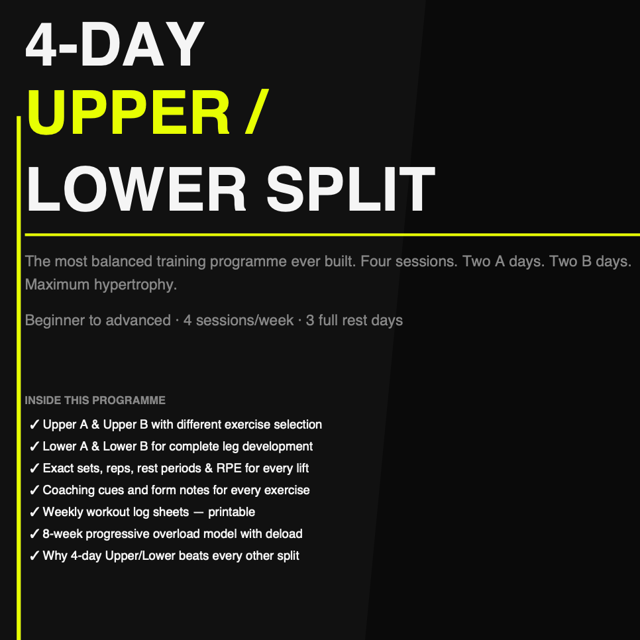
Macros, Food and 4-Day Workout Bundle
Macros, Food and 5-Day Workout Bundle
3-Day Full Body Workout Split
Fat-Loss Guide (Free Promotion Ended)
Macros, Food and 3-Day Workout Bundle
Frequently asked questions
What does counting macros mean?
Counting macros means tracking the grams of protein, carbohydrates, and fat you eat each day instead of only watching total calories. Since every calorie comes from one of these three macronutrients, tracking them helps you keep protein high for muscle retention and control where the rest of your energy comes from. It is the foundation of most structured fat-loss and muscle-building diets.
How to count macros for weight loss?
Learning how to count macros starts with your daily calorie target: set protein first (roughly 1.6–2 g per kg of body weight), then divide the remaining calories between carbs and fats. To count macros for weight loss, you place those same targets inside a moderate deficit of about 300–500 calories below maintenance, so you lose fat steadily without losing muscle or energy.
Counting macros vs calories — which is better for fat loss?
Counting macros vs calories comes down to control. Calorie counting only limits how much you eat, while macro tracking also manages where those calories come from — especially protein, which protects muscle and controls hunger during a deficit. If you only count calories, you can hit your target while under-eating protein, which often leads to poor body composition and a "skinny fat" look after weight loss.
How do I start counting macros if I have never tracked my food before?
Counting macros for beginners comes down to four steps: calculate your calorie and macro targets, get a basic kitchen scale, log everything you eat for one week without changing your habits, and then adjust based on the data. The practical skill — how to count macros in food you eat daily — means weighing items like rice, atta, dal, and cooking oil in their raw form and matching them against standard nutrition values, because home-cooked meals are where most untracked calories hide.
Do I need a counting macros app to track my daily food?
No, but it makes the process far easier. A counting macros calculator gives you your starting calorie and macro targets in minutes, and an app then handles daily logging through food databases and label scanning. You can also track manually with a structured food tracking guide and a simple spreadsheet — consistency matters more than the tool you pick.
Is counting macros for women different from counting macros for men?
The method is exactly the same; the numbers usually differ. Counting macros for women generally works with lower total calories since energy needs are lower, while protein is still set according to body weight. Women should also pay attention to iron, calcium, and eating enough around training, because chronic under-eating is one of the most common reasons women's fat loss stalls.
What should a fat loss diet plan include?
A sustainable fat loss diet plan is built on four pillars: a moderate calorie deficit, high protein at every meal, plenty of fibre from vegetables, fruits, and whole grains, and foods you genuinely enjoy so you can stay consistent for months. Meal timing, "fat-burning" foods, and supplements matter far less than hitting those targets day after day.
What is the best fat loss exercise?
There is no single best fat loss exercise — fat loss comes from a calorie deficit, and exercise helps you create one while protecting muscle. Strength training built on compound movements like squats, presses, and rows gives the best body-shaping results, while walking and cardio increase daily calorie burn. A structured workout split keeps you consistent instead of randomly chasing "fat-burning" sessions.
Can I lose fat at home without a gym?
Yes. The truth about how to lose fat at home is that diet does most of the work: keep your calories in a deficit through macro tracking, add 8–10k steps a day, and follow simple strength workouts using bodyweight movements or basic equipment like dumbbells and resistance bands. Most people fail at home fat loss because of untracked eating, not because they don't have a gym membership.
What is a gym split?
A gym split is the way you divide your muscle groups or movements across your weekly workouts — for example, full body, upper/lower, or push/pull/legs. Your split decides how often each muscle is trained and how much recovery it gets, which directly affects strength and muscle growth. The right choice depends mainly on how many days per week you can train consistently.
What is the best workout split?
There is no universally best workout split — the right one depends on your experience and weekly schedule. Three full-body days suit beginners, a 4-day upper/lower split fits intermediates, and a 5-day split works for people who can train more often and want extra volume for building muscle while losing fat. A moderate split you follow for a year beats a perfect split you quit in three weeks.
How should I split my workouts into 3 days?
If you're figuring out how to split workouts into 3 days, full-body training is the most effective option: each session covers a leg movement, a push, a pull, and some core work. Since every muscle gets trained three times a week, this structure gives beginners and busy people the best results per session — just keep at least one rest day between workouts.
How do I split workouts into 5 days?
If you're planning how to split workouts into 5 days, the most popular structure is push/pull/legs followed by an upper day and a lower day, so every muscle still gets trained twice a week. This setup provides enough volume for serious muscle gain while the extra activity supports fat loss. Make sure sleep and protein keep pace, because recovery becomes the limiting factor at five training days.
What is the right workout split for beginners?
A 3-day full-body split is the smartest starting point for most beginners because it trains each muscle three times a week, builds technique faster, and leaves enough recovery between sessions. Spend the first two to three months mastering form and adding weight gradually before moving to a 4-day upper/lower split.
What is the ideal workout split for muscle gain?
The ideal workout split for muscle gain is one that trains each muscle about twice a week with progressive overload — a 4-day upper/lower split or a 5-day push/pull/legs plus upper/lower setup both work well. Aim for roughly 10–20 hard sets per muscle group each week and support the training with adequate protein and calories, because the split only drives growth when recovery is in place.