Testimonials
Services
Discovery Call
AR/VR: Your Design Questions, Answered
Design Mock Interview
(Priority DM) Ask Me Anything
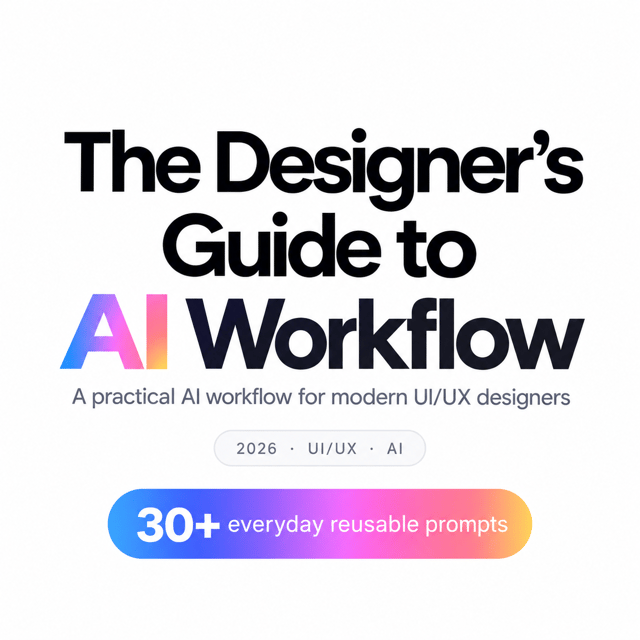
The Designer’s Guide to AI Workflow
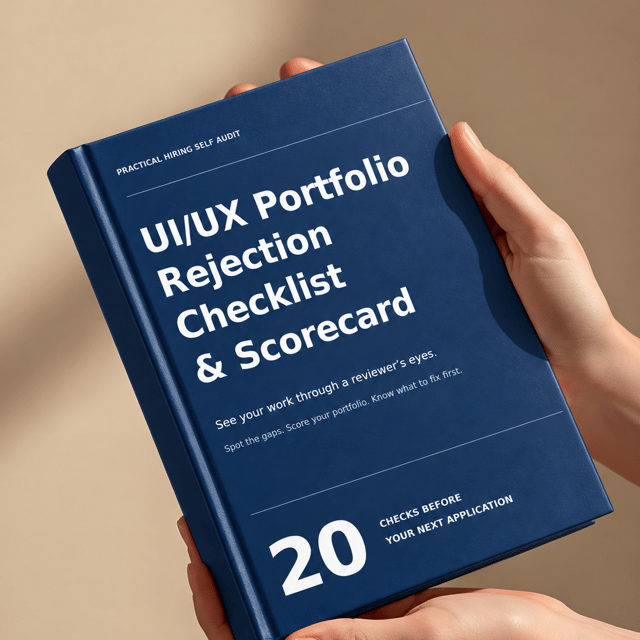
Portfolio Review
1:1 Mentorship
About me
Frequently asked questions
How do I get started in AR/VR and spatial experience design?
Start with a strong foundation in UX and interaction design, then learn how designing for space differs from designing for screens. Explore AR/VR interfaces, spatial interactions, gestures, 3D environments, and user movement. You don’t need to master everything at once. Understanding how people interact with an environment is more important than simply learning the tools.
How can designers use AI in their design workflow?
AI can be extremely useful throughout the design process, especially for research, ideation, exploration, documentation. I use AI to speed up repetitive tasks, explore different directions, structure information, generate ideas, and challenge my initial thinking. The important part is knowing when to use it and when not to. AI should support your thinking rather than replace it. Designers still need to understand users, make decisions, question outputs, and bring their own creative and strategic perspective.
How do you approach UX design for immersive and spatial experiences?
Immersive UX requires thinking beyond traditional screens. I usually start by understanding the user, environment, objective, and context of interaction. From there, I think about movement, spatial positioning, gestures, feedback, navigation, accessibility, and how the user’s attention is guided. Unlike traditional UI, the physical environment itself becomes part of the interface. The goal is to make interactions feel intuitive without overwhelming the user with instructions or unnecessary interface elements.
How can I improve my UI/UX portfolio?
A good UI/UX portfolio should clearly show how you think, not just what you make. Focus on a few strong projects, explain the problem, your process, decisions, and outcomes, and keep the presentation simple and easy to follow. Your portfolio should also reflect the type of roles you’re applying for and showcase your personality
How can I start a career in UI/UX design?
I’d say start with the basics of UX, UI, and design thinking, then learn by actually making things. Work on real or self-initiated projects, build a portfolio around your best work, and focus on explaining why you made your design decisions, not just showing the final screens.