Testimonials
Services
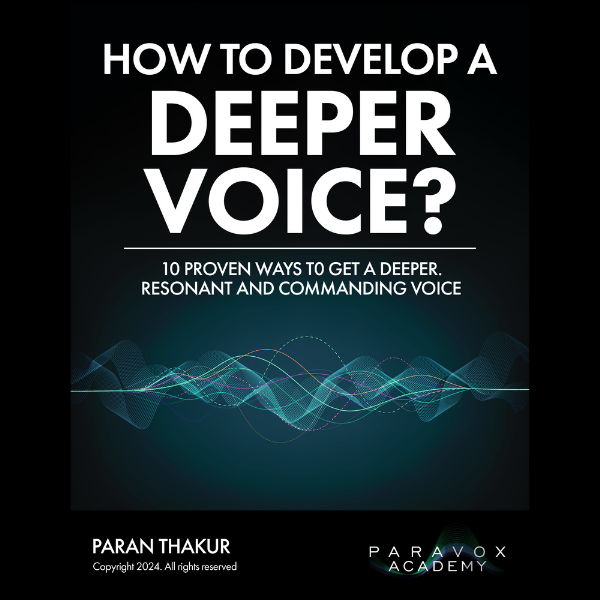
5 Quick Wins To Instantly Improve Your Voice

DM Paran
About me
Frequently asked questions
What is voice training and how does it work?
Voice training is a structured method of improving the way your voice sounds and performs. It works on breath support, pitch, resonance, volume, articulation and stamina through guided exercises and regular practice. Just as gym training builds muscles, voice training strengthens the habits that control your speech, helping you sound clearer, more confident and more authoritative.
What is vocal coaching and who needs it?
Vocal coaching is professional guidance to improve how you speak and sound. A vocal coach identifies your specific habits — speaking too fast, shallow breathing, a nasal tone, low volume — and corrects them with targeted exercises. While it was traditionally associated with singers and actors, vocal coaching today is widely used by CEOs, entrepreneurs, trainers and content creators who want to sound more confident and persuasive.
How to do voice training at home?
You can start voice training at home with a simple daily routine: diaphragmatic breathing, humming to warm up, reading aloud, tongue twisters for articulation, and recording yourself to spot weak areas. Ten to fifteen minutes of focused daily practice beats one long weekly session. For faster results, many people combine home practice with guidance from a voice coach.
What are some effective voice training exercises for daily practice?
The most useful voice training exercises include diaphragmatic breathing, lip trills and humming, pitch slides, articulation drills with tongue twisters, and reading aloud while recording yourself. Doing these for ten minutes daily improves breath control, clarity and vocal stamina far more than occasional long sessions.
How to deepen your voice?
To deepen your voice, breathe from your diaphragm instead of your chest, keep your throat and neck relaxed, and practise speaking from chest resonance rather than forcing your pitch down. Humming at a lower pitch and downward sighing exercises also help. Avoid artificially forcing a low voice, as it strains your vocal cords — consistent training produces a naturally fuller, deeper sound.
What are the most effective deeper voice exercises for men?
Proven deeper voice exercises for men include morning humming, downward "yawn-sighs", deep diaphragmatic breathing, chest resonance drills, and neck and shoulder relaxation, since physical tension raises pitch. These deeper voice exercises work best when practised daily over several weeks, allowing the lower pitch to become your natural speaking pattern.
How to get a deeper voice permanently?
Permanent change comes from retraining, not tricks. Speaking in a forced low pitch fades within hours and can damage your voice. To get a deeper voice permanently, you need consistent exercises that build new muscle memory — breath support, chest resonance and relaxed throat habits — practised daily over weeks or months. Once the new speaking pattern becomes your default, the deeper voice stays.
Is deeper voice surgery necessary to sound deeper?
For most people, no. Deeper voice surgery is a medical procedure generally reserved for specific clinical situations, not everyday voice improvement. The majority of people can achieve a noticeably deeper, fuller voice through structured voice training, correct breathing and resonance work. If you have hoarseness, pain or any persistent throat issue, consult an ENT specialist first.
How long does deeper voice training take to show results?
With daily practice, most people notice early improvements — better breath control and a fuller tone — within two to four weeks. A stable, genuinely deeper speaking voice usually takes a couple of months of consistent deeper voice training, because you are building new muscle memory. Structured programs with regular feedback tend to speed things up since mistakes get corrected early.
Why do I have a deeper voice in the morning?
Waking up with a deeper voice in the morning is completely normal. Overnight, your vocal folds rest and re-hydrate, and slight swelling makes them vibrate at a lower pitch; as you speak through the day, the swelling reduces and your pitch rises. This also proves your voice already has a lower range — with the right exercises, you can learn to carry some of that depth into everyday speech.
Does voice coaching online really work?
Yes. Voice coaching online works because everything a coach needs to assess — your breathing, tone, articulation and projection — can be observed and corrected over a live video call. A good coach assigns exercises, listens as you repeat them, corrects you in real time and tracks progress across sessions. Recording your calls and practising daily in between multiplies the results.
How do I find reliable voice coaching near me?
Search for voice coaching near me and shortlist coaches who show real experience — broadcasting, voiceover, theatre or training credentials — along with genuine client reviews. Always book a trial or discovery session before committing, and make sure the plan is structured with clear exercises. Also remember your best-fit coach doesn't have to be in your city, since most established coaches now train clients live online.
Is voice coaching for public speaking worth it?
If you speak in meetings, on stage or on camera, yes. Voice coaching for public speaking helps you project without shouting, control your pace, pause with impact, eliminate filler sounds and keep your voice steady even when you are nervous. These changes directly affect how confident and credible you sound, which is why many professionals treat it as a career investment rather than a soft skill.
Can voice training for speaking improve my career and confidence?
Yes — your voice is a big part of your personal brand. Voice training for speaking improves clarity, authority and expressiveness, so people focus on what you are saying instead of being distracted by how you say it. Professionals often report stronger meeting presence, more engaging content and growing audiences once they fix volume, pace and articulation — and confidence follows naturally when you stop worrying about how you sound.
How do I choose the right voice training course?
Look for four things: the coach's real-world experience (radio, voiceover, broadcasting or stage), a structured curriculum with daily exercises, personal feedback rather than only recorded videos, and genuine student results. A good voice training course should also let you start small — through a free feedback session or a discovery call — before you commit to a full program.