Testimonials
Services

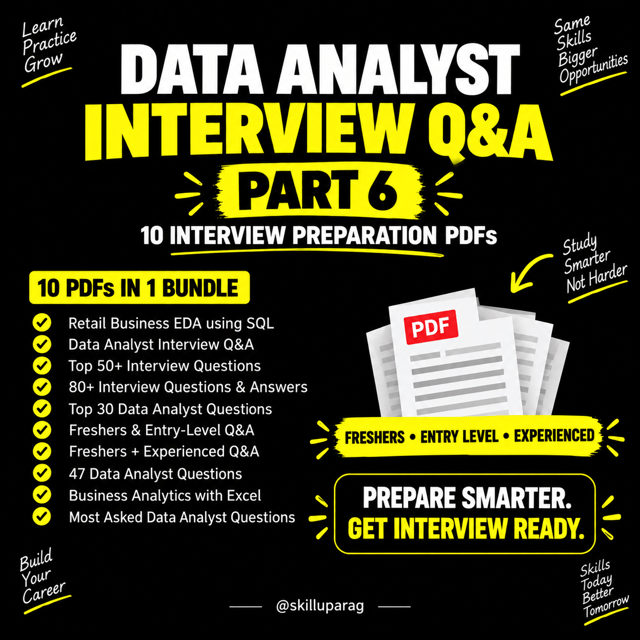
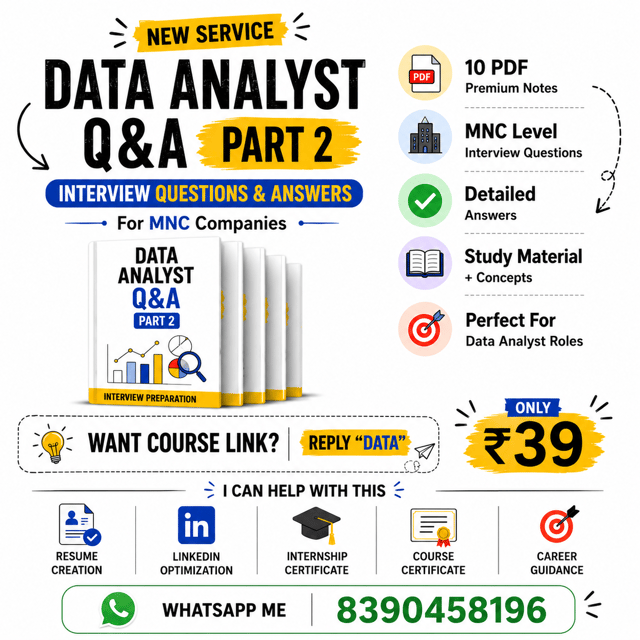
Data Analyst Interview Q&A Part4

Complete Tableau Course | Beginner to Advanced

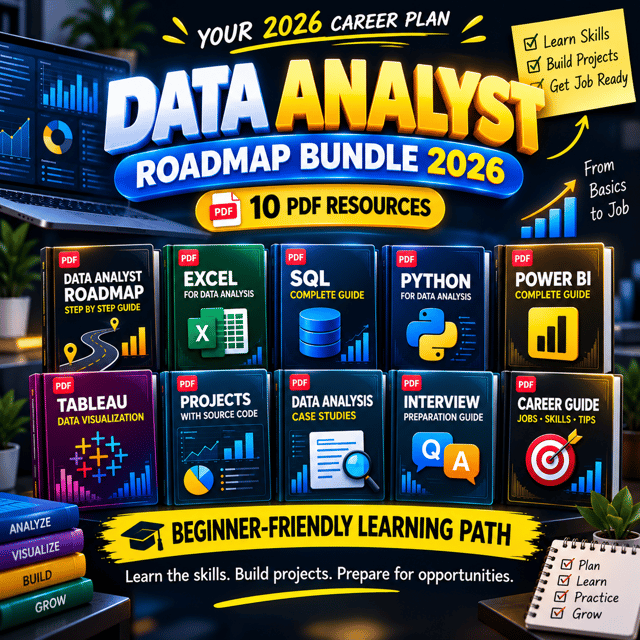
How to Get Job - Tips
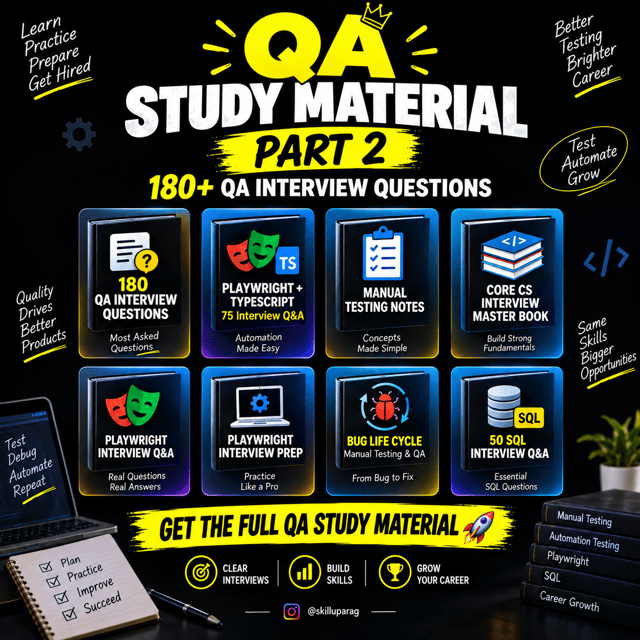
QA Roadmap
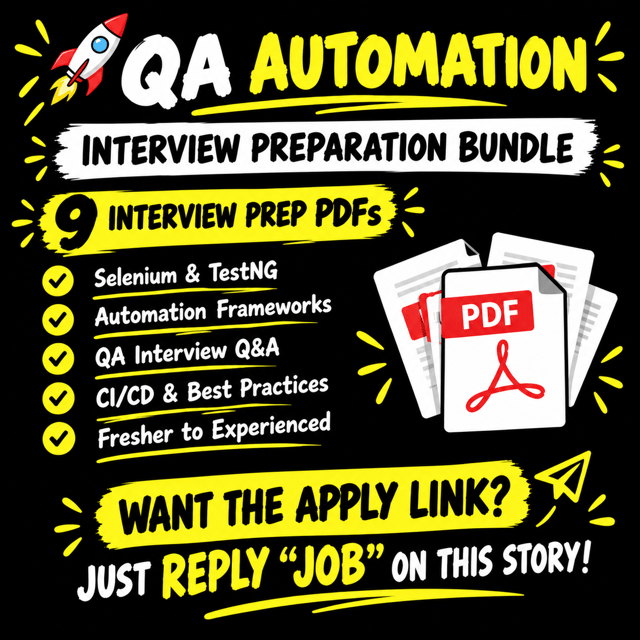
1:1 QA Automation Testing Guidance
Resume Building & Optimization

🎯 1:1 Career Guidance Call
LinkedIn Job Hunt Strategy Session
About me
- Parag's Portfoliohttps://paragpatilportfolio.netlify.app/

Frequently asked questions
What is QA automation testing?
QA automation testing is the process of using scripts, tools, and frameworks to verify that software works as expected, instead of checking every feature manually. Testers write automated scripts using tools like Selenium or Playwright with languages such as Python or Java, run them repeatedly against the application, and plug them into CI/CD pipelines so bugs are caught early. It saves hours of repetitive regression work, reduces human error, and is why companies now prefer automation-skilled testers over manual-only testers.
How to learn QA automation from scratch?
Start with manual testing fundamentals such as SDLC, writing test cases, and the bug life cycle, then pick one programming language — Python is the easiest entry point. Next, learn a browser automation tool like Selenium or Playwright, add a test framework such as Pytest, and practice API testing with Postman. Build two or three small projects, like automating a login flow or an e-commerce checkout, upload them to GitHub, and then add basics of CI/CD and performance testing. With consistent hands-on practice, most beginners become job-ready in three to four months.
How to become a QA automation engineer?
The standard path is: learn manual testing → pick Python or Java → master one automation tool (Selenium or Playwright) → learn API testing, Git, and CI/CD basics → build a small automation framework as a portfolio project → start applying for QA or SDET roles. Freshers usually enter through testing internships, service-based companies, or startup QA roles, while manual testers can switch by upskilling in automation. What gets you hired is a working GitHub portfolio and the ability to explain your framework in interviews, not just certificates.
What is the QA automation engineer salary in India?
The QA automation engineer salary in India depends on skills, city, and company type, but freshers with strong Selenium or Playwright skills typically start in the range of ₹3.5–6 LPA. With three to five years of experience, engineers commonly earn ₹8–15 LPA, and senior automation or SDET roles at product companies can go well beyond ₹20 LPA. Adding API testing, CI/CD, and cloud exposure consistently pushes offers higher than manual testing roles.
How do I find QA automation jobs as a fresher in India?
Create a focused profile on Naukri and LinkedIn using keywords like "Selenium", "Playwright", "Python", and "automation testing", since recruiters search with these exact terms. Apply to service-based companies, QA-focused startups, and testing internships, and ask for referrals from employees because referral applications get far more responses. Pair your applications with a GitHub repo containing at least one complete automation framework — most fresher resumes have none, so this immediately sets you apart.
Which QA automation tools should I learn first?
Start with one programming language (Python or Java) and one browser automation tool — Selenium, because it has the most openings in India, or Playwright, because it is the fastest growing. Add Pytest or TestNG for structuring tests, Postman for API testing, and Jira for bug tracking, as these appear in almost every job description. Once comfortable, layer on Locust or JMeter for performance testing and Jenkins or GitHub Actions for CI/CD to unlock higher-paying roles.
Do I need a QA automation course, or can I learn on my own?
You can absolutely self-learn using official documentation, YouTube, and free practice applications, and many working automation engineers did exactly that. A structured QA automation course or mentorship is worth it only if you struggle with discipline or want a clear roadmap, because it compresses months of scattered learning into a few focused weeks. Either way, recruiters judge you on projects and interview performance, so spend more time automating real application flows than collecting certificates.
What are the most common QA automation interview questions?
Expect questions on locators (XPath vs CSS selectors), implicit vs explicit waits, handling dropdowns, alerts, frames, and dynamic elements, and comparisons between Selenium, Playwright, and Cypress. Interviewers also ask about framework design like the Page Object Model, Pytest fixtures or TestNG annotations, API testing basics like status codes, and how you would debug a flaky test. Many companies also include a live round where you must write or fix an automation script on the spot, so practice coding, not just theory.
How to prepare for a QA automation interview?
Revise one automation tool in depth rather than skimming five, and be ready to explain every line of your own portfolio project, because interviewers dig deep into it. Practice basic coding problems in Python or Java, refresh API testing and SQL fundamentals, and prepare clear answers on framework design and bug-tracking workflows. In the final week, do mock interviews and rehearse live-coding sessions, since most fresher rejections happen in the practical round, not the theory one.
How to crack a data analyst interview?
Build command over four pillars: SQL, Excel, statistics fundamentals, and one BI tool like Power BI or Tableau, with Python and pandas as a bonus for product-based roles. Prepare two or three projects you can narrate as a story — the business problem, the data, the analysis, and the impact — because freshers are judged heavily on how they present their work. Also practice explaining your thought process aloud during SQL and case-based questions, since interviewers score your approach as much as your final answer.
What are the top data analyst interview questions and answers for freshers?
Fresher rounds usually open with concept questions — data analysis vs data analytics, structured vs unstructured data, data cleaning steps — followed by SQL tasks like finding the second-highest salary or removing duplicates. You will also face Excel questions on VLOOKUP vs INDEX-MATCH and pivot tables, statistics questions on outliers, mean vs median, and p-values, and dashboard questions on Power BI or Tableau. The best preparation is writing out answers to these classics and practicing the SQL queries hands-on rather than only reading through them.
How do I start my data analyst interview preparation as a fresher?
Follow a simple sequence: spend the first two weeks only on SQL, the next week on Excel and statistics, then one to two weeks on Power BI or Tableau, and finally Python basics if your target roles demand it. Dedicate one full week to a small end-to-end project — cleaning a dataset, analyzing it, and building a dashboard — because this becomes your main talking point in every interview. Finish with mock interviews and company-specific research so you walk in better prepared than most competing candidates.
What are the most common SQL interview questions for freshers?
Freshers are most often tested on SELECT with WHERE and ORDER BY, GROUP BY with HAVING, all types of JOINs, subqueries, and aggregate functions, along with classic problems like finding the second-highest salary, deleting duplicate rows, and finding the top performer in each department. If you are applying for analytics roles, remember that SQL interview questions for data analyst positions usually go a step further into window functions like ROW_NUMBER and RANK, CASE statements, and business-scenario queries on sales or orders data. Practice writing these by hand because many interviewers ask you to solve on a shared screen without autocomplete.
How to prepare for SQL interview questions?
Practice SQL daily on coding platforms, focusing on joins, GROUP BY, subqueries, CTEs, and window functions, ideally on realistic sales or orders datasets instead of toy examples. When deciding how to answer SQL interview questions, restate the requirement first, identify the tables and columns you need, explain your approach in plain words, and only then write the query — this structure earns marks even if your query has a small mistake. Consistent practice for three to four weeks beats marathon sessions the night before.
How to make a resume for freshers?
Keep it to one page with this order: contact details, skills, projects, internships or certifications, and education, since freshers are judged more on projects and skills than work history. Mirror the keywords from each job description — for example SQL, Python, Power BI, Selenium — because most companies use ATS software that filters resumes before a human sees them. Quantify everything you can ("analyzed 10,000+ rows", "reduced testing time by 40%"), save it as a clean PDF, and get it reviewed by someone experienced before you start applying.