Testimonials
Services
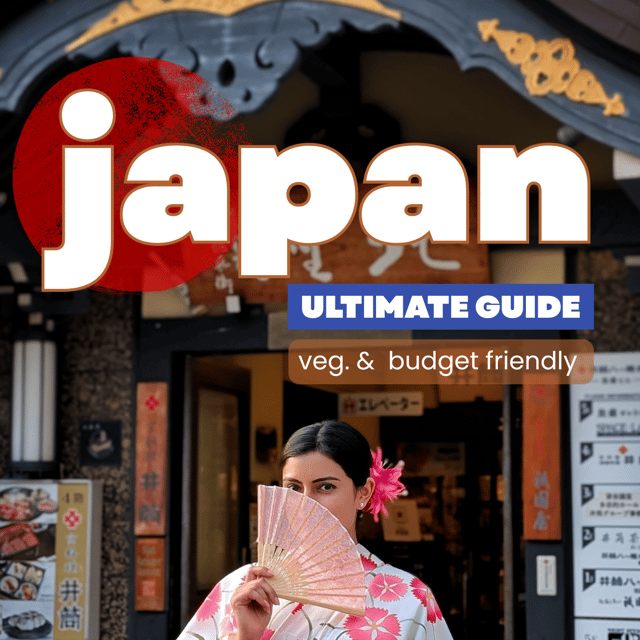
BE A PRO IN JAPAN: TRAVEL GUIDE (eBook)
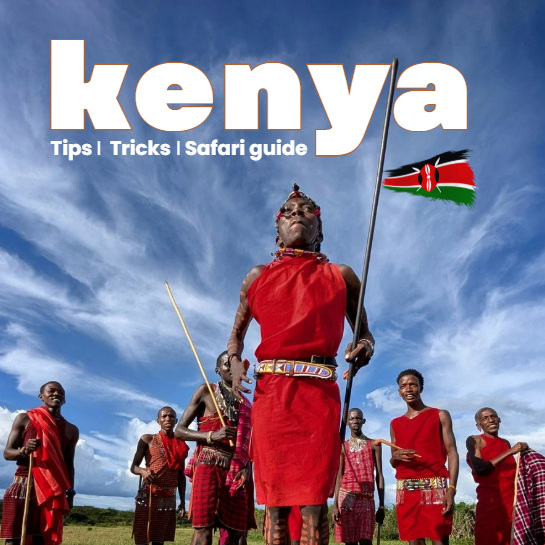
BE A PRO IN KENYA: TRAVEL GUIDE (eBook)

Frequently asked questions
What is the best Japan travel guide?
The best Japan travel guide is one written by someone who has actually done the trip and shares a realistic day-wise plan — covering trains and IC cards, where to stay, what to eat and what everything really costs. Look for an updated Japan travel guide for 2026 so visa rules, prices and rail-pass math are current. Detailed eBooks by travel creators are often more practical than glossy printed books because they include real itineraries, budgets and hacks instead of generic listings.
Is a Japan travel guide book still worth buying?
Yes — arguably more than ever. A good Japan travel guide book consolidates day-wise itineraries, transport routes, costs and food tips in one vetted place, while a Japan travel guide on Reddit gives you scattered, anecdotal and quickly outdated threads that you have to piece together yourself. If you value your planning time, a structured guide pays for itself in saved hours and avoided mistakes.
Where can I download a Japan travel guide PDF?
Many travel creators sell their Japan travel guide as a downloadable PDF eBook that you receive instantly, which is far more convenient on a phone than a heavy printed book. You will also find a Japan travel guide PDF free download on blogs and forums, but free versions are usually pieced together, generic or out of date. A paid, detailed PDF typically includes complete day-wise itineraries, cost breakdowns and booking tips, which is what actually saves you planning time.
Which is the best Japan travel guide for Indian travellers?
A Japan travel guide for Indian travellers should cover the things global guides skip: the Japan visa process and documents for Indians, flight routes and typical fares from Indian cities, vegetarian and Indian food options, and budgeting in rupees. It should also include ready day-wise itineraries you can copy directly. If a guide covers these four things, it will save you far more effort than a generic international guidebook.
What do I need to know when traveling to Japan?
Carry some cash, because smaller restaurants and shops still prefer it, and get an IC card like Suica or Pasmo for trains and convenience stores. Learn basic train navigation — Japan's rail network is brilliant but dense — and arrange pocket WiFi or an eSIM before you land. Know the etiquette too: no tipping, queue neatly, keep your trash with you since public bins are rare, and keep your voice low on trains. Convenience stores are lifesavers for cheap, good food on the go.
How to plan a Japan trip?
Start by picking your season — cherry blossom (late March to early April) and autumn foliage (November) are the most beautiful but book out fastest. Next, book international flights early, apply for your Japan visa with a day-wise plan and confirmed stays, and build your route around the Golden Route: Tokyo, Hakone or Mount Fuji, Kyoto, Nara and Osaka. Reserve hotels near train stations, sort your eSIM or pocket WiFi, and decide in advance whether a rail pass actually pays off for your route.
How to make a Japan itinerary for a visa?
Indian applicants must submit a day-by-day plan that matches their hotel bookings and travel dates exactly. So build your Japan itinerary for a visa city by city — dates, city, hotel name and two or three activities per day — and keep it realistic instead of cramming in ten cities. Consular staff mainly check that the plan is coherent and matches your stay duration, so consistency matters more than exhaustive detail.
How many days are enough for a Japan trip?
Seven to ten days is the sweet spot for most travellers. A Japan itinerary for 7 days comfortably covers the Golden Route — Tokyo, Kyoto and Osaka — at a brisk pace, while 10 to 12 days lets you add Hakone, Mount Fuji and Nara without rushing. A Japan itinerary for 14 days is ideal if you want slower travel plus offbeat stops like Kanazawa, Takayama or Hiroshima.
What should a Japan itinerary for 10 days from India include?
A solid Japan itinerary for 10 days from India usually looks like this: three days in Tokyo, one day in Hakone or Mount Fuji, three days in Kyoto with a Nara day trip, and two days in Osaka, flying home from Osaka instead of backtracking to Tokyo. Factor in the seven to eight hour flight and the 3.5-hour time difference, keep your arrival day light, and use the shinkansen between cities. Staying within walking distance of major stations makes the whole route stress-free.
How much does a Kenya safari cost?
There is no single number — a Kenya safari cost depends entirely on the style of trip. Budget camping safaris often start around USD 150–250 per person per day, mid-range lodges typically fall between USD 300–600, and luxury camps can cross USD 800+. Park entry fees, a 4x4 with a driver-guide, the season (July–October migration months are the priciest) and trip length matter most, and international flights from India are usually extra.
How do I choose Kenya safari packages from India?
When comparing Kenya safari packages from India, check exactly what is included — park entry fees, game drives, a 4x4 vehicle with a driver-guide, meals and accommodation — because "cheap" packages often exclude park fees. Look at how many game drives you get per day, whether your lodge or camp sits inside the reserve, and whether the route covers the highlights you want, such as Masai Mara, Lake Nakuru or Amboseli. Booking everything locally in Nairobi is possible too, but a proper package is easier for a first safari.
What is the best Kenya safari for first-timers?
For most first-timers, the best Kenya safari is a Masai Mara circuit, usually paired with Lake Nakuru or Amboseli. A Kenya safari in Masai Mara delivers the Big Five and, between July and October, the Great Migration river crossings. Amboseli is famous for big elephant herds with Mount Kilimanjaro as the backdrop, while Lake Nakuru adds rhinos and flamingos. Three to four nights in the Mara is the sweet spot for a first trip.
How to pack for a Kenya safari?
Pack light, neutral-coloured clothing in breathable fabrics, with warm layers for cold early-morning game drives. Add closed walking shoes, a wide-brimmed hat, sunglasses, high-SPF sunscreen, binoculars, a zoom camera lens, a power bank and adapter plugs. Use a soft duffel bag rather than a hard suitcase if your itinerary includes light-aircraft transfers, and avoid dark blue and black clothing, which attracts tsetse flies.
How to plan an African safari?
Start by choosing your country and parks — Kenya's Masai Mara, Tanzania's Serengeti and South Africa's Kruger are the classics. Fix your travel window (the Great Migration runs roughly July to October), set a realistic per-day budget, and book camps and a driver-guide six to twelve months ahead for peak season. Sort the paperwork early too — passport validity, eTA or visa requirements, and vaccinations such as yellow fever. Then plan around game drives, since wildlife is most active at dawn and late afternoon.
What is Safaricom in Kenya?
Safaricom is Kenya's largest mobile network, and it is the SIM most travellers pick up on arrival. You can buy a Safaricom SIM or eSIM at Nairobi airport or in city shops using your passport, and data bundles are inexpensive. Its M-Pesa mobile-money service is accepted almost everywhere in Kenya for payments, so loading a small M-Pesa balance can be genuinely handy during your trip.