Testimonials
Services
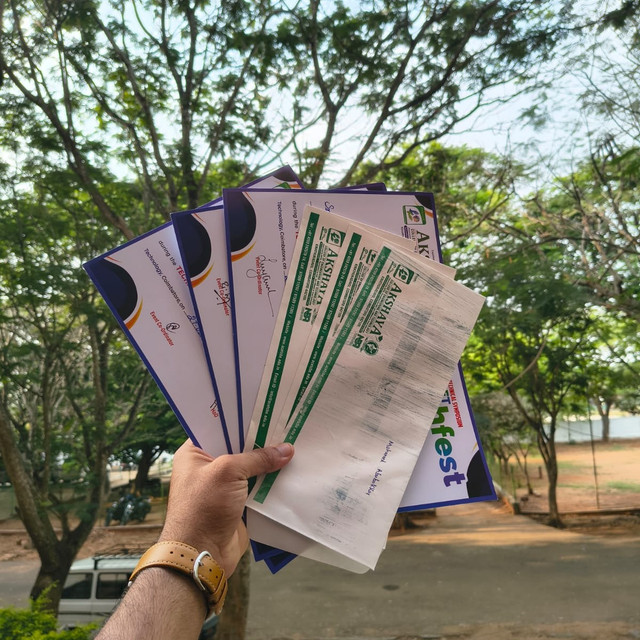
Hackathon Strategy & Winning Guide
Aptitude Tricks Pack

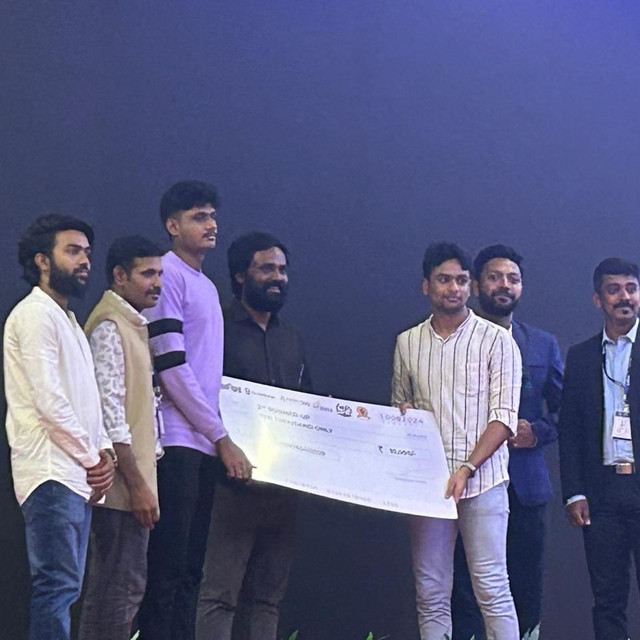
Hackathon Strategy & Winning Guidance
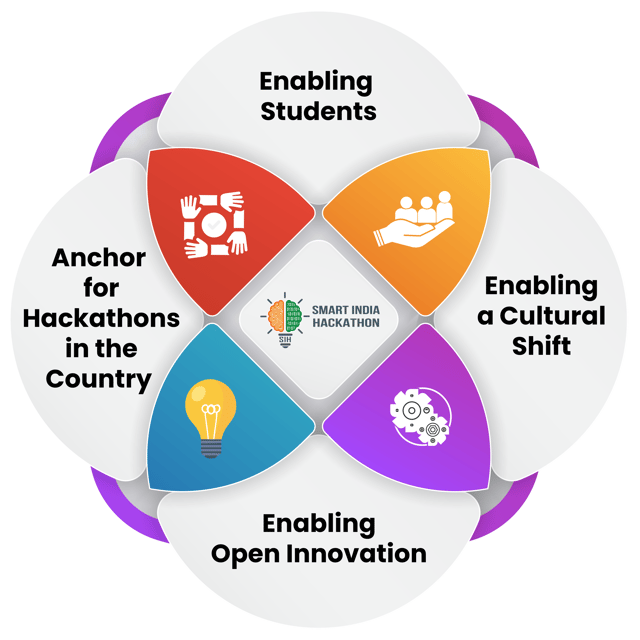
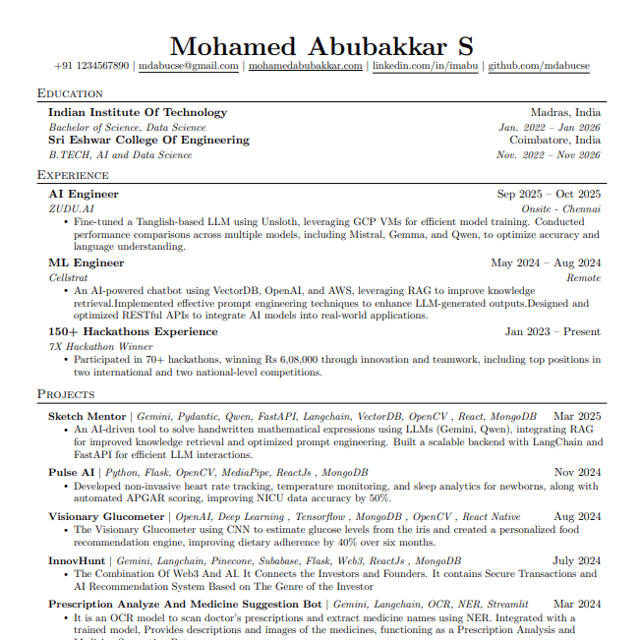
Hackathon Win Package
About me
- Thanks To My Brother Mohamed Abubakkar S Who Gaved Me clear Idea To Start With DSA Prepartion Of Leetcode Cheat Sheet. Special ThanksRecommended by Vijay Krishna on

- Mohamed Abubakkar is praised for his friendly nature and impactful knowledge sharing, providing clarity and guidance to clients.
 AI-generated based on testimonials
- Honestly, it’s an absolute treasure for beginners. The structure, clarity, and strategies. It’s super helpful for someone getting started 👍. Really appreciate your work though great effort 🙌.Recommended by Muthukumaran K on
- ungal ta pesuna apro en motivation level🔥🔥🔥 🤩 👏 👍 neega romba humble ah pesunigaa broo. eniki day eh nalla ilaa but after ungal ta pesuna apro the day made me bro.💪💪❤️Recommended by Ragul Kumaran on
Frequently asked questions
What is Smart India Hackathon 2026?
Smart India Hackathon is a national-level hackathon where student teams build working solutions to real problem statements shared by ministries, PSUs, and private organisations. The 2026 edition follows the same format — teams pick a problem statement, build a working prototype, and pitch it in the final rounds. Exact dates, themes, and eligibility rules are announced on the official portal each year, so track the announcements closely once the edition opens.
How to register for the Smart India Hackathon?
Registration happens on the official SIH portal and is done as a team, usually through your college since shortlisting typically begins at the institutional level. Keep your team details, chosen problem statement, and idea summary ready before the registration window opens, because deadlines are strict and last-minute submissions often get rejected due to incomplete information.
How to win the Smart India Hackathon?
Winning teams usually do three things well: they pick a problem statement that matches their team's actual skills, they build a working MVP instead of just slides, and they demonstrate clear real-world impact with a clean demo. To crack the Smart India Hackathon, also study how judges evaluate entries — feasibility, innovation, and social impact — and rehearse your pitch so your solution is obvious within the first two minutes. Experience from smaller hackathons compounds quickly and massively improves your odds.
Where can I find the Smart India Hackathon 2026 problem statements?
Problem statements are published on the official SIH portal when the edition opens, and the Smart India Hackathon problem statements PDF download is also made available there so teams can shortlist ideas before registering. Read the full description, expected solution, and category of each problem statement before committing — teams that pick one matching their tech stack move much faster during the build.
How useful is a Smart India Hackathon projects list from previous editions?
Very useful. Past winning projects show you the standard expected at the finale — most winners demonstrate a working prototype, realistic data, and a concrete use case rather than just an idea. Use a Smart India Hackathon projects list to spot patterns: which types of solutions get rewarded, how winning demos are structured, and where common gaps exist that your team can target.
Is a hackathon winning guide useful for first-time participants?
Yes, especially if you have never built anything under a deadline. A good hackathon winning guide covers the mistakes beginners repeatedly make — choosing the wrong problem statement, over-scoping the idea, wasting time on setup, and ignoring the pitch entirely. If you don't have experienced hackathon participants around you, a structured guide or a mentor who has been through multiple hackathons can compress months of trial and error into one clear plan.
What are some AI project ideas?
Strong AI project ideas usually start from a real problem around you: a chatbot that answers college queries, a resume screening assistant, crop disease detection from leaf images, an automated attendance system, a fake news classifier, or a personal finance assistant that reads your spending patterns. Pick something where you can get a dataset easily and show a working demo — that matters more than how fancy the model is.
What are some AI project ideas for a hackathon?
For a hackathon, pick an idea you can demo within 24–36 hours: a RAG chatbot over government scheme documents, an AI interview practice tool, a waste classification camera, a medical symptom triage assistant, or a tool that summarizes long PDFs for students. Use pre-trained models and APIs instead of training from scratch, and spend the time you save on polish, demo flow, and your pitch.
What are some AI project ideas for final year students?
For the final year, choose a project that is doable in one semester and also strengthens your placements: a recommendation engine, a RAG-based question-answering system over your own documents, a demand or sales prediction model with a dashboard, or a computer vision quality-check system. Deploy it end-to-end, even on a free tier — a live link impresses evaluators and recruiters far more than a notebook on your laptop.
What are some AI project ideas for beginners?
Start with projects that use pre-trained models so you focus on logic instead of heavy math: a sentiment analyzer for product reviews, a simple image classifier, a chatbot built on an existing LLM API, a text summarizer, or a basic movie recommendation system. Once two or three of these work end-to-end, move to projects where you handle your own dataset. The biggest beginner mistake is picking an overly ambitious idea and abandoning it halfway.
Where can I find AI project ideas on GitHub?
Search GitHub for topics like "machine learning", "hackathon", and "final year project", and explore curated "awesome" list repositories that collect dozens of AI project ideas with source code and difficulty levels. Also read the READMEs of trending repos built for hackathons — seeing how a complete project is structured teaches you just as much as the idea itself.
How should I start preparing for placements?
Bring structure first: from the start of your final year (earlier if possible), split your preparation into DSA practice, aptitude, core subjects, projects, and communication. Solve DSA problems consistently every day, take timed aptitude tests weekly, keep your resume to one clean page, and do a few mock interviews before the season begins. A structured plan holds up far better under back-to-back placement tests than random last-minute preparation.
How do I prepare for the Zoho placement process?
Zoho's hiring process typically includes aptitude and technical tests, programming rounds, and interviews, so prepare in that order: build speed on aptitude with timed practice and shortcut tricks, strengthen basic DSA and pattern-based coding, and be ready to explain your projects clearly. Practice writing clean code without relying on an IDE, since some rounds test raw fundamentals. Check the current year's official notification for the exact pattern, as it can change.