Testimonials
Services




100 JavaScript interview questions
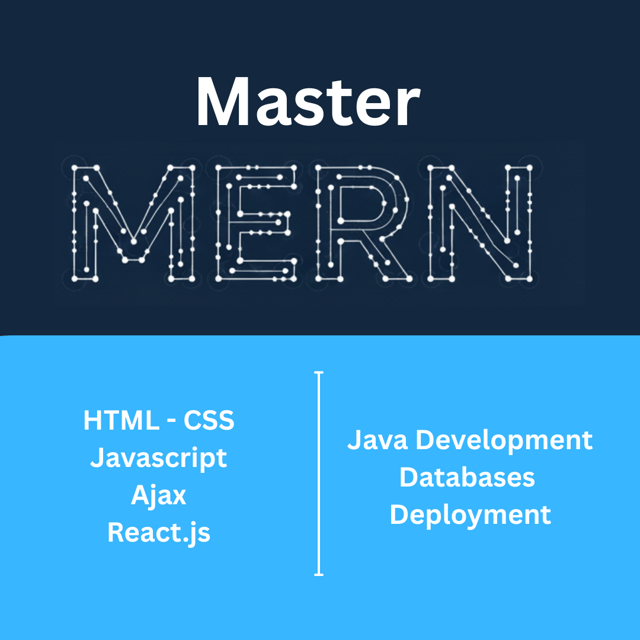
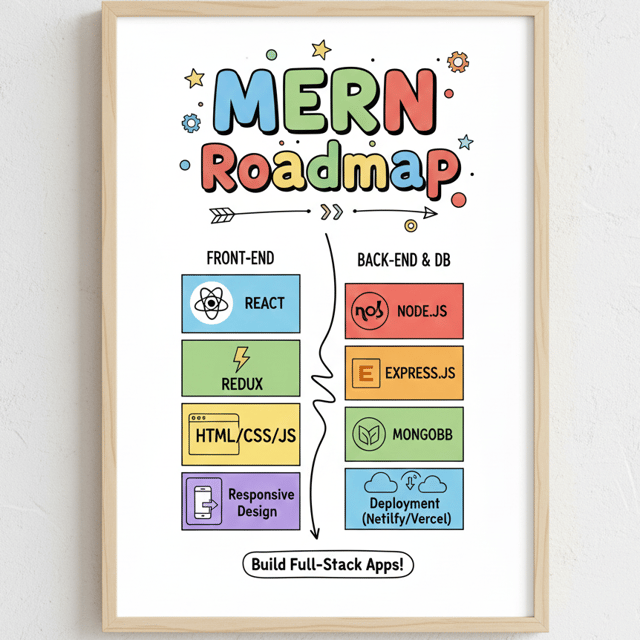
Master the MERN Stack 270+ pages
100+ React Interview Questions + Guide 8 PDFs

15+ Top Company DSA & LeetCode Sheets
Ultimate Developer Technical Interview Questions
Ultimate Data Analyst & AI Career Bundle


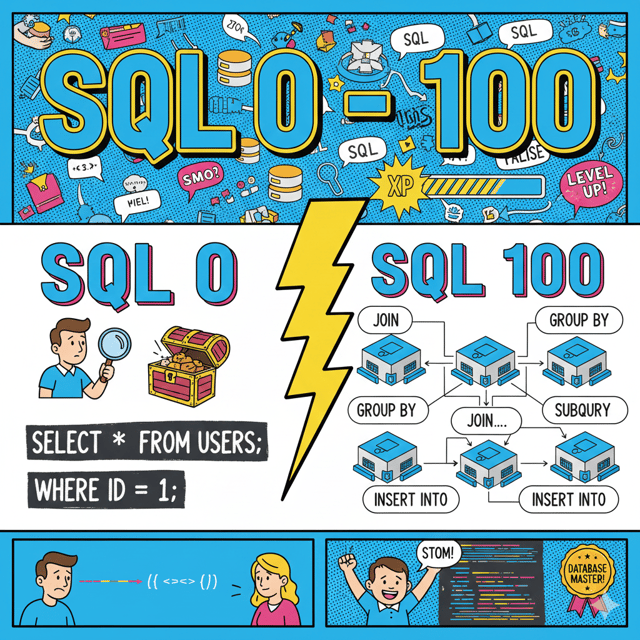
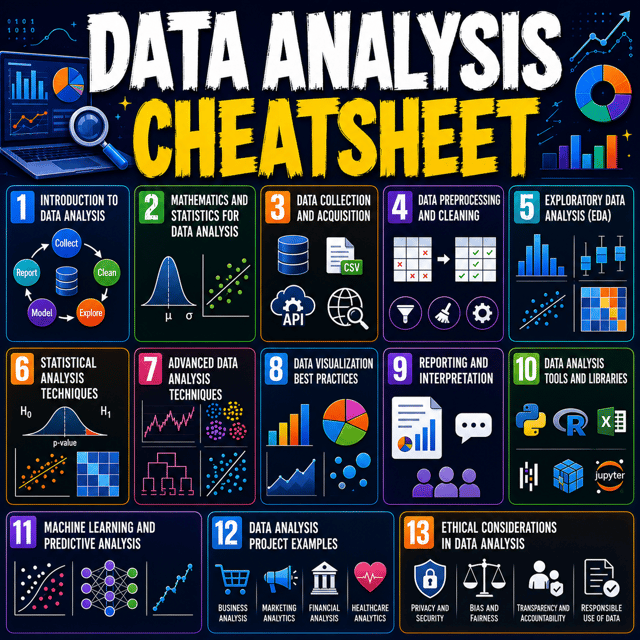
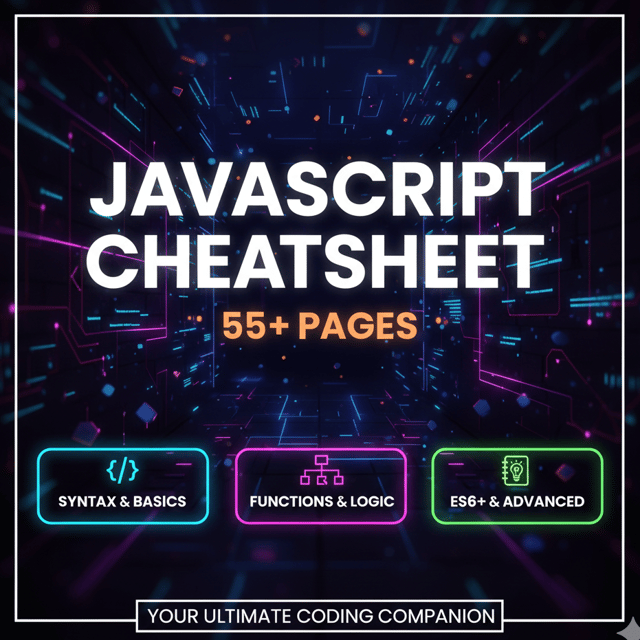


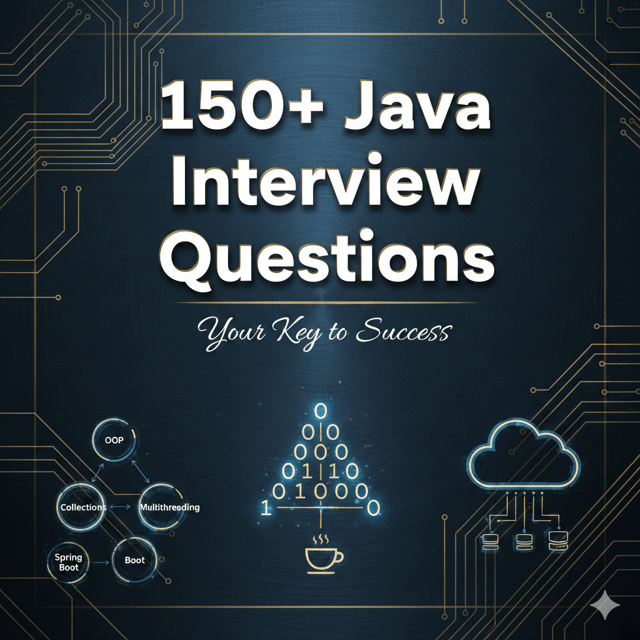
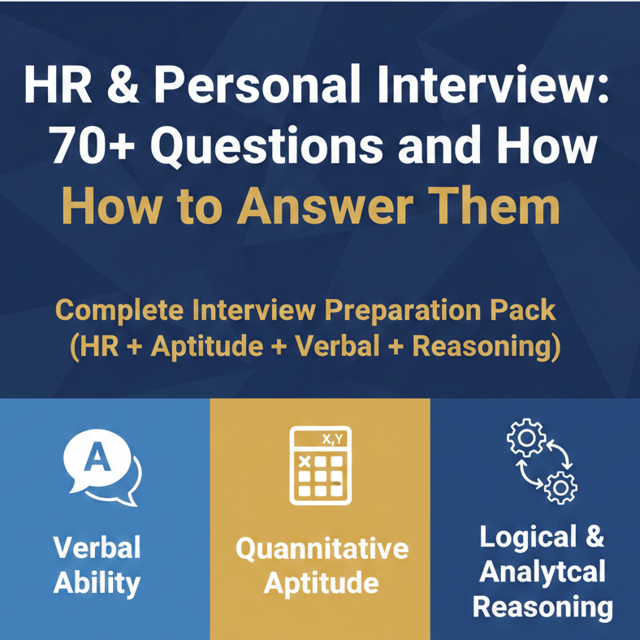
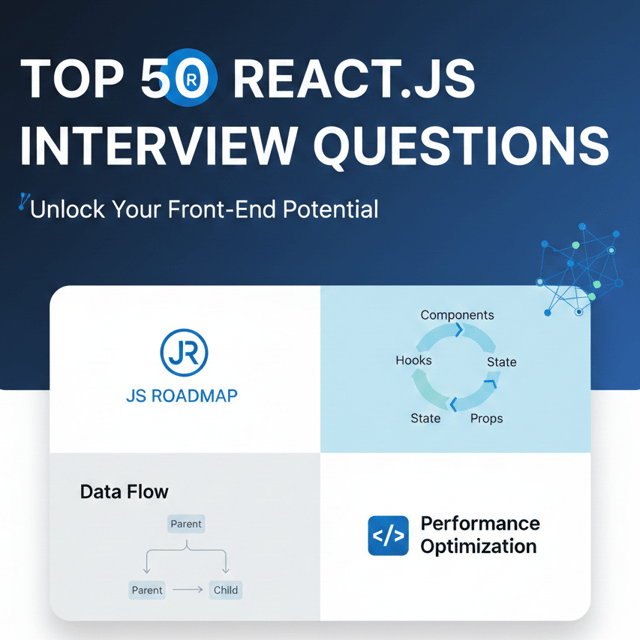

100+ Tips, Templates, Harvard Sample & Rules
Complete Placement Kit
Ultimate DSA Preparation Bundle
DSA + TECHINCAL INTERVIEW SOLVER
Frequently asked questions
What are the most asked JavaScript interview questions and answers?
The most frequently asked JavaScript interview questions and answers revolve around closures, hoisting, var/let/const, == vs ===, the event loop, promises, async/await, prototypes, and array methods like map, filter, and reduce. Interviewers often follow up with "predict the output" snippets, so practising output-based questions alongside theory makes a big difference.
Which topics do JavaScript interview questions for freshers usually cover?
JavaScript interview questions for freshers mostly test fundamentals — data types, scope, hoisting, functions, arrow functions, basic DOM manipulation, and simple logic-building programs. Freshers are rarely expected to know advanced frameworks deeply; they are tested more on whether they can explain core concepts clearly and write clean, working code.
Do JavaScript interview questions for experienced developers cover different topics?
Yes. JavaScript interview questions for experienced developers go beyond syntax into the event loop and concurrency model, memory management, debouncing and throttling, module patterns, performance optimisation, and design decisions in large codebases. Candidates with around 5 years of experience are also asked to explain architecture choices from their own projects.
What are the most commonly asked React interview questions and answers?
React interview questions and answers typically cover the virtual DOM and reconciliation, JSX, components, props vs state, keys, lifecycle, controlled vs uncontrolled components, conditional rendering, lifting state up, and hooks. For senior roles, expect questions on performance optimisation, code splitting, and state management with Context or Redux.
What do React interview questions for freshers usually cover?
React interview questions for freshers usually focus on basics — what a component is, JSX, props vs state, useState and useEffect, keys in lists, conditional rendering, and event handling. Building one small hands-on project, like a to-do or weather app, helps freshers answer follow-up questions with confidence.
Which React Hooks interview questions are asked most often?
The most asked React Hooks interview questions include how useState and useEffect work, the useEffect dependency array and cleanup function, the rules of hooks, when to use useMemo and useCallback, useState vs useReducer, and how to write custom hooks. Interviewers often ask you to refactor a class component into hooks on the spot.
What is a promise in JavaScript?
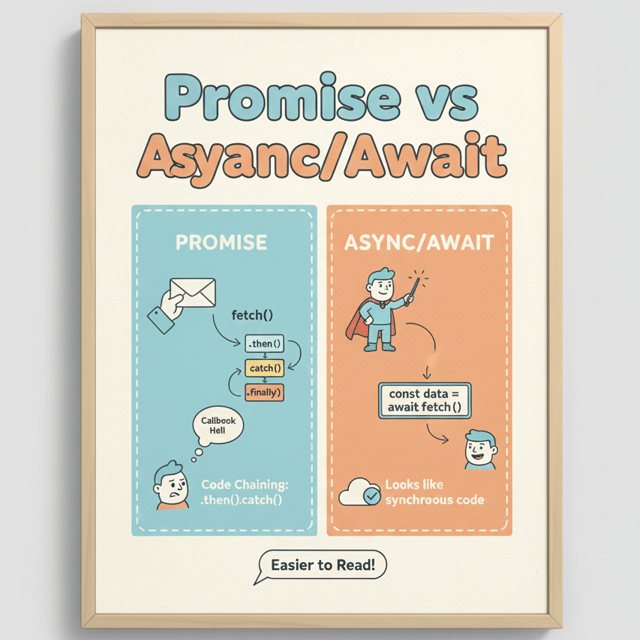
A promise in JavaScript is an object representing the eventual completion or failure of an asynchronous operation. It has three states — pending, fulfilled, and rejected — and is consumed using .then(), .catch(), and .finally(), or more commonly with async/await. This is one of the most frequently asked JavaScript questions because it tests whether you truly understand asynchronous behaviour, not just syntax.
How to start DSA preparation for beginners?
Start by picking one language (usually C++, Java, or Python), then learn the core building blocks in order: arrays and strings, linked lists, stacks and queues, recursion, sorting and searching, trees, and finally graphs and dynamic programming. Solve topic-wise problems rather than random ones, maintain a revision sheet of patterns you struggle with, and stay consistent with 1–2 hours of daily practice.
What is a good DSA preparation roadmap?
A practical DSA preparation roadmap spans roughly 3–4 months: weeks 1–3 for arrays, strings, and time complexity; weeks 4–5 for recursion, sorting, and searching; weeks 6–7 for linked lists, stacks, and queues; weeks 8–9 for trees and BSTs; weeks 10–11 for graphs; and the final month for dynamic programming and company-wise revision. Revisit solved problems weekly so the patterns stick.
How much time is required for DSA preparation for placement?
For most students, 2–4 months of focused DSA preparation for placement is enough if you solve 150–250 quality problems across all core topics. Campus placement drives usually include one or two coding rounds, so prioritise arrays, strings, linked lists, trees, and common patterns, and attempt a few timed mock tests before the placement season begins.
Is DSA preparation for Google different from other companies?
To an extent, yes. DSA preparation for Google demands strong fundamentals, optimal-complexity solutions, and clear communication while coding, since interviews focus on how you think rather than just the final answer. Alongside standard topic-wise practice, work through medium-to-hard problems on graphs, dynamic programming, and pattern recognition, and practise mock interviews where you explain your approach out loud.
How to respond to the "Tell me about yourself" interview question?
Use a simple present–past–future structure: start with who you are professionally, briefly cover your education, projects, or most relevant experience, and end with why the role you're interviewing for is the right next step. Keep it to 60–90 seconds, tailor it to the job description, and rehearse it aloud so it sounds natural rather than memorised.
How to respond to interview questions about weaknesses?
Pick a genuine, non-critical weakness, state it briefly, and immediately follow with the concrete steps you are taking to improve — for example, "I used to hesitate while delegating, so I started pairing with teammates and tracking shared tasks." Avoid clichés like "I'm a perfectionist," and never choose a weakness that directly conflicts with the core requirement of the job.