Testimonials
Services
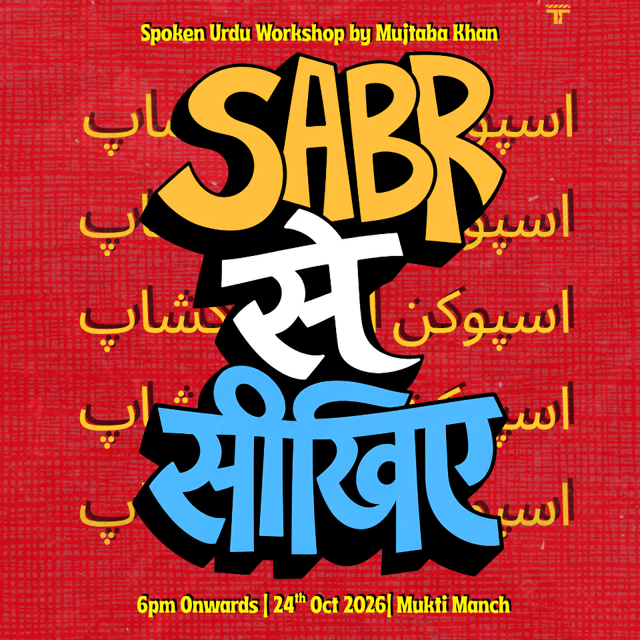
Spoken Urdu Masterclass by Theatrewala (online)

Spoken Urdu 4 Hour Masterclass (Mumbai)

Let's create a scene (Weekends 21st Nov) (Batch 2)
30 min Consultancy Call

Goonj - Voice & Speech Cohort (Batch 29)

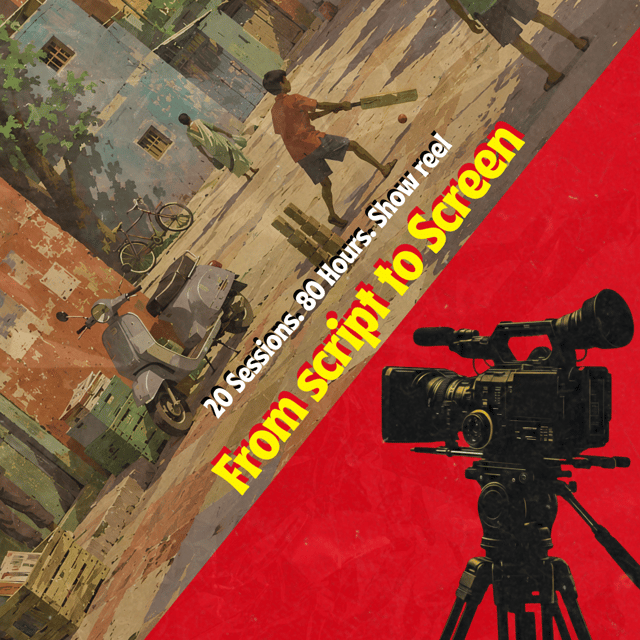
Script to Screen by Theatrewala (weekday)
1:1 Coaching with Theatrewala
About me
Frequently asked questions
What is an acting coach?
An acting coach is a trained professional who works one-on-one with actors to sharpen specific aspects of their craft, such as voice, speech, body language, emotional expression, and audition preparation. Unlike a group class, coaching is personalised — sessions target your individual gaps, whether that is stage fright, flat dialogue delivery, or weak character physicality, and help you build a style that sets you apart.
Do actors have acting coaches?
Yes. Most professional actors work with acting coaches at some stage — beginners use them to build fundamentals, while established film, TV, and theatre actors keep coaches to prepare for demanding roles, polish auditions, and stay sharp between projects. Seeking coaching is considered a normal part of an actor's growth, not a weakness.
How to get an acting coach?
Start by listing what you need help with — auditions, voice clarity, body language, or emotional depth — so you can match the right specialist. You can get an acting coach through theatre groups, drama schools, referrals from fellow actors, or online platforms that offer 1:1 video sessions across India. Always book a short trial or consultation call first to check whether the coach's teaching style suits your learning pace before committing to a package.
How to become an acting coach?
There is no single licence, but the usual path is to first get solid acting training yourself, build stage or screen experience, and then start teaching — assisting in workshops, directing amateur productions, or taking 1:1 sessions. Studying voice, movement, and method-based techniques deepens what you can offer, and strong communication skills matter as much as performing experience. Credibility is built over time through the measurable improvement of your students.
How do I find acting coaching near me?
Search for acting coaching near me on Google and Google Maps, then shortlist studios or theatre groups with genuine reviews and trial classes. Local theatre communities and drama school alumni networks are also good sources of recommendations. Do not rule out online 1:1 coaching — many actors in smaller cities now train with experienced coaches over video calls instead of limiting themselves to whoever is available locally.
What does voice and speech training for actors include?
Voice and speech training for actors usually covers breathing techniques, breath control, diction, articulation, projection, and voice modulation, all aimed at clarity and richness in delivery. Good training pairs vocal exercises with practical application — monologues, line reading, and improvisation — so the improvement shows up in real performances. With consistent practice, actors typically notice reduced fumbling, stronger stage presence, and much clearer speech.
How do I choose the right voice and speech coach?
Look for a voice and speech coach who teaches through practical exercises rather than theory alone, personalises drills to your specific issues — fumbling, low volume, monotone delivery, unclear articulation — and gives honest, actionable feedback. A coach who understands auditions and stage performance demands will prepare you for real-world situations, not just classroom practice. A trial session is the best way to judge whether their exercises suit your voice goals.
What is body language in acting?
Body language in acting is the way a character's emotions, intentions, and status are expressed through posture, gestures, facial expressions, and movement. Audiences read the body before they process the words, so an actor's physical choices can reinforce or completely contradict the dialogue. Believable body language makes a performance feel real, while stiff or generic movement instantly breaks the illusion.
How to improve body language in acting?
Treat it as a trainable skill: observe how people hold and move themselves in different emotional states, rehearse in front of a mirror or camera to catch stiff posture and repetitive gestures, and practise delivering the same line with completely different physical choices. Structured body acting exercises such as animal studies and gesture work, done under a coach's feedback, speed up improvement far more than self-practice alone.
What is lucid body acting?
Lucid body acting is a mind-body training approach in which actors develop awareness of their physical habits, tensions, and blocks, and then release them so emotions can move freely through the body. Instead of indicating feelings from the outside, the actor lets posture, breath, and alignment shift from within, producing more organic expression. Actors use it to break rigid movement patterns and access deeper emotional truth on stage or camera.
How to do a full body slate in acting?
Stand far enough from the camera so your entire body, head to feet, is visible in good lighting against a plain background. Face the camera and state your name clearly — casting briefs often also ask for age, height, city, or agency — keeping your energy warm and your posture open for around 10 to 20 seconds before moving into your scene. Rehearse it a few times so your delivery looks natural rather than stiff.
Do actors need full body acting headshots?
Standard close-up headshots remain the primary casting tool, but full body acting headshots are commonly expected on casting profiles, comp cards, and for roles where physique or height matters. Keep one full-length shot in simple clothing that shows your natural posture and body type, alongside your close-ups. For self-tapes, a full body slate serves a similar purpose of showing casting directors how you physically present yourself.