Testimonials
Services
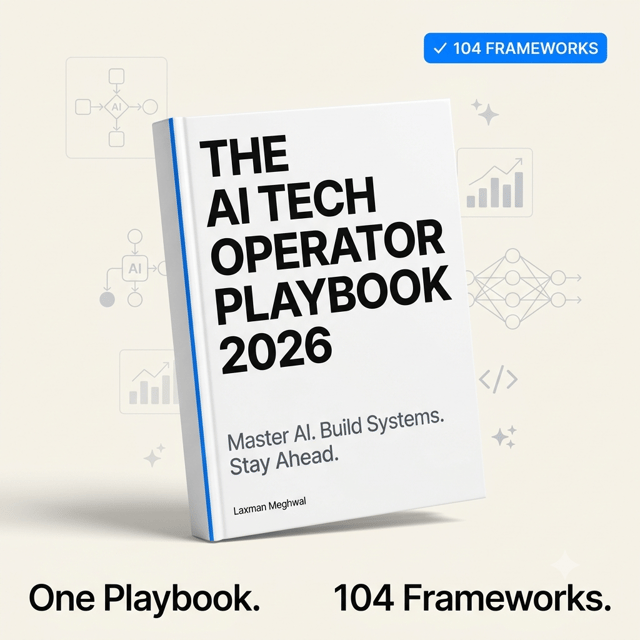

20 claude skills that runs my entire system
91 ways to make money online.

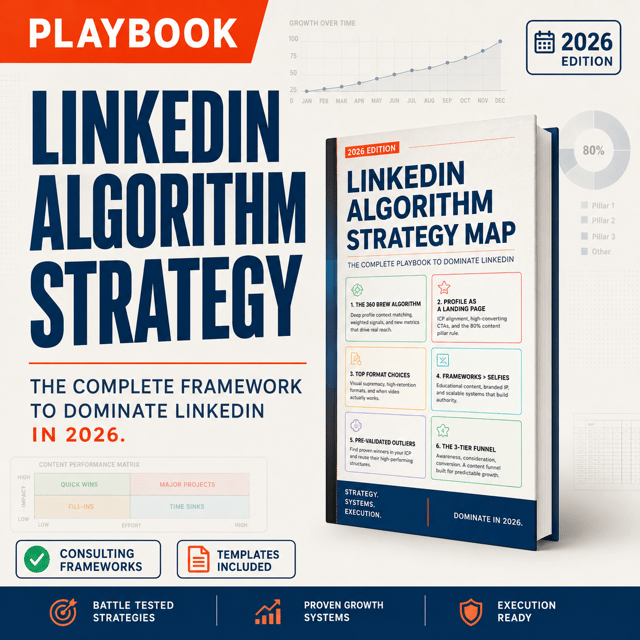
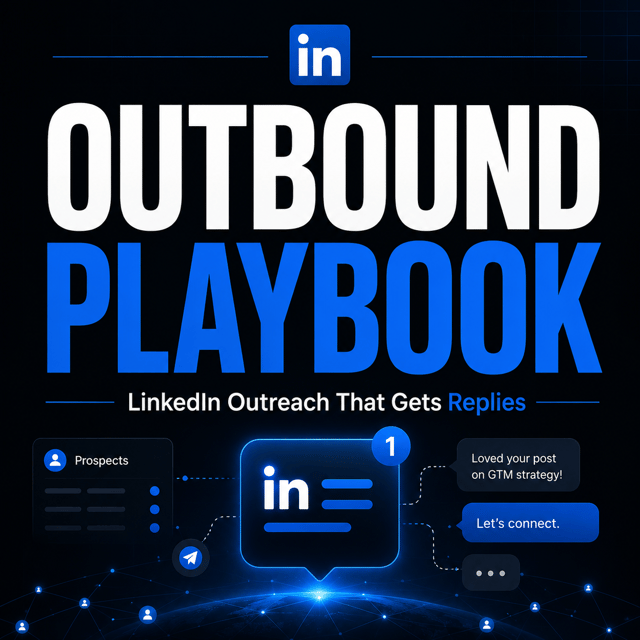
The Outbound Acquisition Playbook.

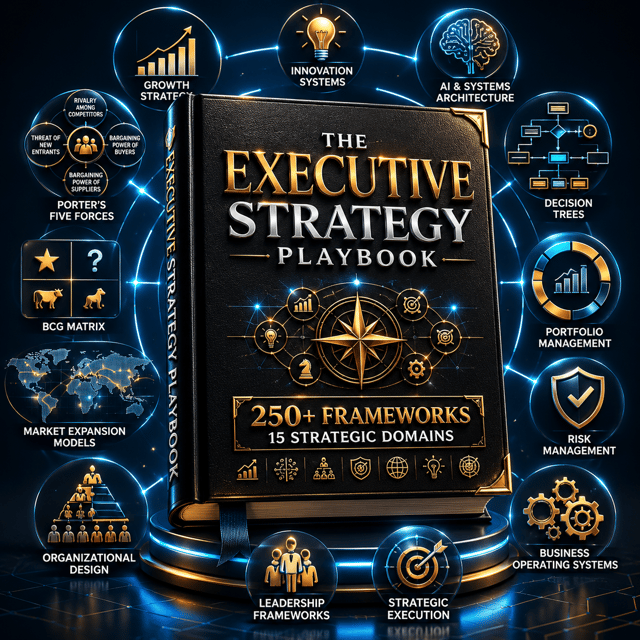
Lead generation playbook+2026linkedin algorithm
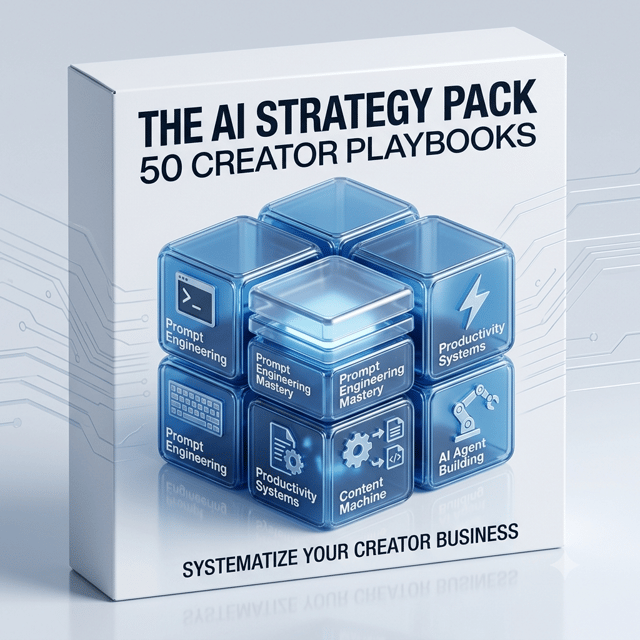
Just learn it
About me
Frequently asked questions
What is AI workflow automation?
AI workflow automation is the practice of connecting AI models with your everyday apps so that a multi-step task runs on its own. Instead of manually asking a chatbot for help at every step, you design a sequence — an idea gets researched, drafted, formatted and delivered automatically — and the AI handles the repetitive middle layer for you.
What is AI workflow integration?
AI workflow integration means embedding AI directly into the tools and processes you already use — your CRM, spreadsheets, content calendar or inbox — instead of treating it as a separate chatbot. Data flows in, the AI step processes it (drafting, summarising, scoring, replying), and the output lands back in your existing system without extra manual work.
How to build AI workflows without coding?
Start by mapping one repetitive task end to end, then use a no-code automation tool to connect the steps and drop an AI prompt in wherever judgement is needed. Test it with real data, fix the weak points, and only then move to the next process — most people fail by trying to automate everything at once instead of going one workflow at a time.
What are the 4 stages of an AI workflow?
A common way to break it down: (1) input — collecting the raw material such as data, content or customer queries; (2) processing — where the AI model is prompted to draft, analyse or decide something; (3) action — the output gets delivered to a tool, a person or a platform; and (4) feedback — results are reviewed and the prompts or steps are refined. Reliable workflows loop through these four stages continuously.
What are some practical AI workflow examples?
Popular AI workflow examples include a content pipeline that turns one idea into a LinkedIn post, newsletter and video script; a lead generation flow that finds prospects, enriches their details and drafts personalised outreach; and a support workflow that reads incoming queries, suggests replies and escalates only the tricky ones. The pattern is always the same: repetitive steps get automated, and human effort moves to review and strategy.
AI workflows vs agents: what is the difference?
In the AI workflows vs agents comparison, a workflow is a fixed sequence you design in advance — step 1, step 2, step 3 — while an agent is given a goal and decides its own steps, choosing which tools to use along the way. Workflows are predictable and easier to control; agents are flexible but need tighter guardrails, so most real systems combine both.
What is agentic AI and how does it work?
Agentic AI refers to systems that pursue a goal on their own — they plan, use tools, check their own results and retry until the task is done, rather than answering one prompt and stopping. Common agentic AI examples include research agents that browse and compile reports, coding agents that write and fix their own code, and outreach agents that qualify leads before a human ever steps in.
How to build agentic AI?
Begin with one narrow, well-defined task and give the agent a clear goal, a short list of agentic AI tools to use — a model like ChatGPT or Claude, plus integrations for your email, spreadsheets or browser — and rules for when to stop or hand over to a human. Run it on real tasks, watch where it breaks, and tighten the instructions, because an agent that does one job reliably beats a general agent that fails at everything.
How to learn agentic AI from scratch?
Learn in this order: master prompt engineering basics first, get comfortable with one model's behaviour, pick a no-code automation tool and connect two apps, then build one small agent for a task you personally repeat. For learners in India, free documentation, build-along videos and communities where creators share their setups in public are usually enough to start — consistency in building matters more than any paid program.
What is agentic AI vs generative AI?
Generative AI creates content — text, images, code — from a single prompt, while agentic AI wraps that capability inside a loop of planning, tool use and self-correction to complete an entire task. A simple way to remember it: generative AI is the engine, agentic AI is the driver that decides where to go and when.
What is an AI workflow engineer?
An AI workflow engineer designs and maintains the systems that connect AI models with business tools — deciding which steps get automated, how prompts are structured, and how outputs are checked. It is a hybrid role blending automation, prompt design and process thinking, and demand is rising fast because every company now wants these systems built but very few people know how to build them.
How to prompt engineer ChatGPT and Claude?
Start every prompt with a clear role, context, task and output format, add one or two examples of what good looks like, and split complex jobs into smaller steps instead of demanding everything in one shot. Learning how to prompt engineer Claude is much the same, though Claude handles long documents and detailed instructions especially well, while ChatGPT benefits from saved custom instructions and iterative follow-ups — in both cases, refining the prompt beats rewriting the task.
What is prompt engineering in AI?
Prompt engineering in AI is the skill of writing instructions, context and examples in a way that consistently produces the output you want from a model. It covers structuring requests, assigning the model a role, showing sample outputs, and iterating when results drift — and it is the foundation behind every workflow and agent, because a system is only as good as the prompts inside it.
What is the average prompt engineering salary in India?
Prompt engineering salary in India varies widely: entry-level roles commonly start around ₹4–8 LPA, while professionals who combine prompting with automation, agent-building and workflow design can command ₹20 LPA or more at product companies and startups. The key shift to understand is that pure "prompt writing" roles are rare — the highest pay goes to people who can build complete AI systems, not just single prompts.
Is there a free prompt engineering course with certificate?
Yes — several global learning platforms and AI companies themselves offer a free prompt engineering course with certificate that you can add to your resume or LinkedIn. Just remember that a certificate only gets you noticed; hiring managers and clients in India weigh demonstrated skill far more heavily, so pair any course you complete with a small public portfolio of prompts, workflows or agents you have actually built.