Testimonials
Services

MBA Specialization & Domain–Role Discovery Tool


Internship Hunting Strategy
About me
Frequently asked questions
What is the meaning of an ATS friendly resume?
An ATS friendly resume is a resume that applicant tracking system (ATS) software can read and parse correctly. Most companies in India use an ATS to filter applications before a human ever sees them, so the file needs simple single-column formatting, standard headings like Education, Skills and Experience, and keywords that match the job description.
How to make an ATS friendly resume?
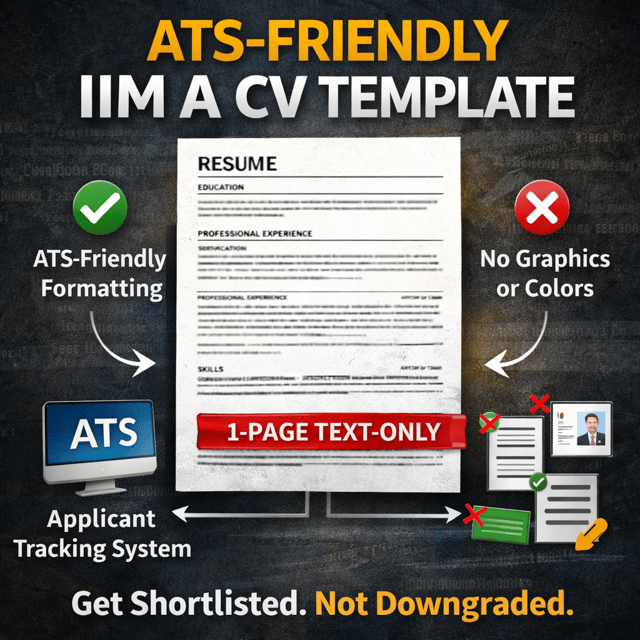
Stick to one column, a standard font, and conventional section headings. Save the file in the format the job post asks for, mirror keywords from the job description naturally, and quantify achievements with numbers. Avoid graphics, tables, photos, and text in headers or footers, since parsers often skip them. A quick test: paste your resume into a plain text editor — if the order looks scrambled, the ATS will struggle too.
Where can I find a free ATS friendly resume template?
Google Docs and Microsoft Word both include clean built-in resume templates, and most job portals and resume tools offer free downloads as well. Pick a simple single-column layout over designs with sidebars, photos, or text boxes — for freshers in India, a neat one-page format works best.
Is it worth using an ATS friendly resume builder?
It can be, if the output is a simple, parseable layout. A good ATS friendly resume builder saves formatting time and keeps your headings standard. Just don't rely on it blindly — many builders push paid designs with graphics that hurt parsing, so always run the final file through a checker and tailor the content, not just the design, for every role.
How can I check if my resume will pass an ATS?
Run it through an ATS friendly resume checker, which scores your resume and flags issues like missing keywords, tables, unusual fonts, and headings the software can't recognise. Then do a manual check: confirm nothing is lost in plain text and compare your wording against the keywords in the job description you're targeting.
How to choose an MBA specialization?
The right MBA specialization depends on where you want to be in 5–10 years, not on what is trending. Shortlist two or three options that match your strengths, study the roles and placement data your college offers for each, talk to seniors and alumni working in those functions, and test your interest through a small project or internship before committing.
How many MBA specializations are there?
There is no fixed number, but Indian B-schools commonly offer around 8–12. A broad MBA specializations list includes Finance, Marketing, Human Resources, Operations, Business Analytics, IT and Systems, International Business, Supply Chain Management, Economics, and Entrepreneurship, with newer options like Product Management and Digital Marketing also appearing across campuses.
What is MBA dual specialization?
In a dual specialization you complete major coursework in two functional areas — for example Marketing plus Finance, or HR plus Operations — instead of one. Several Indian universities, including IGNOU, offer this format. It widens the roles you can apply for, but be ready to explain both interests clearly in interviews so recruiters see focus rather than confusion.
What are the top MBA specializations in India?
Finance, Marketing, Human Resources, Operations, and Business Analytics lead most placement reports. Currently, Business Analytics is the MBA specialization in demand, driven by data-heavy roles across IT, banking, consulting, and e-commerce, with Finance and Marketing close behind. That said, the best choice depends on your college's strength in that domain and your own aptitude.
What are the common MBA specialization subjects?
Finance usually covers corporate finance, security analysis, and financial modeling; Marketing covers consumer behaviour, brand management, and digital marketing; HR covers talent acquisition and performance management; Operations covers supply chain and quality management; and Business Analytics covers statistics, data visualisation, and machine learning basics. Always check the latest curriculum of your target B-school, since subjects are updated frequently.
How to find an internship with no experience?
Use campus placements, internship portals, and company career pages, and ask your college alumni network for referrals — referrals convert far better than cold applications. Build one or two small projects or certifications to show initiative, keep your resume to one page, and message recruiters directly with a short, specific pitch. Consistency matters more than a perfect resume.
How to search for internships on LinkedIn?
Use the Jobs tab, filter by "Internship" and your preferred city, and turn on alerts for roles like "marketing intern" or "data analyst intern." Optimise your headline and About section around the role you want, follow target companies, and message recruiters or alumni with a brief, personalised note instead of only clicking Easy Apply — proactive outreach is what gets most internship shortlists on LinkedIn.
How to search for internships on Naukri?
Create a profile with a keyword-rich headline, then set the experience filter to "Internship" or "Fresher" along with your city and function. Upload an updated, ATS friendly resume so recruiters searching the database can find you, apply within the first few days of a posting, and keep your profile marked active, since Naukri ranks active profiles higher in recruiter searches.
Which internship search websites are best for students in India?
Internshala is the most popular for student internships, LinkedIn works best for networking-based applications, Naukri and Indeed list a high volume of openings, Unstop hosts competitions and hiring challenges, and Wellfound is useful for startup internships. Pick two or three internship search websites and use them consistently rather than spreading yourself thin across all of them.
Can I use AI for internship search?
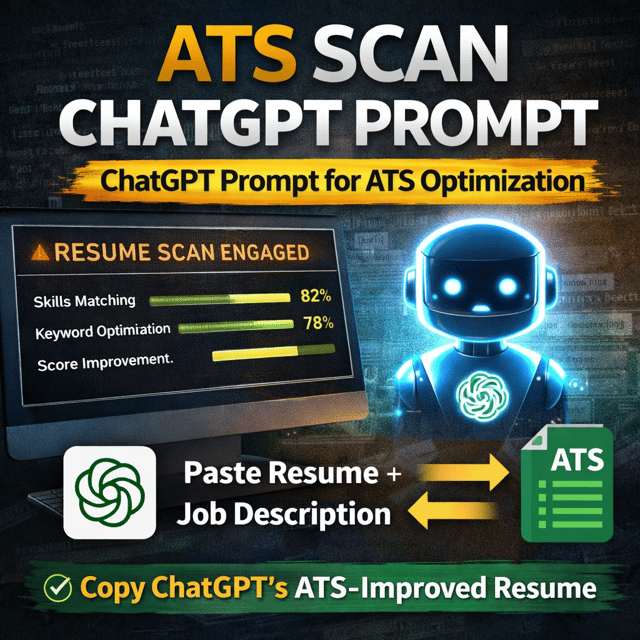
Yes — using AI for internship search is now common and genuinely effective. You can use ChatGPT-style prompts to tailor your resume to each job description, check how an ATS might scan it, draft outreach messages, and prepare for interviews. Just personalise every output, because recruiters can spot generic AI text, and your resume still needs your real projects and numbers.