Testimonials
Services
Content Creator Workbook
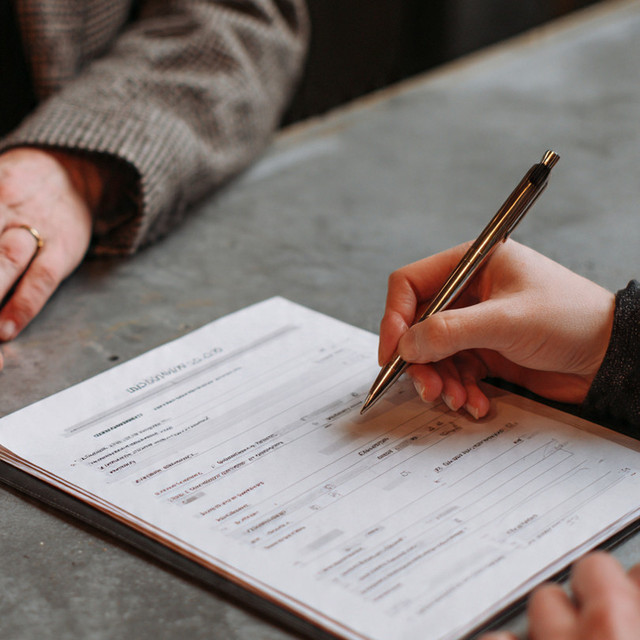
RECRUITER’S RESUME SHORTLISTING WORKBOOK
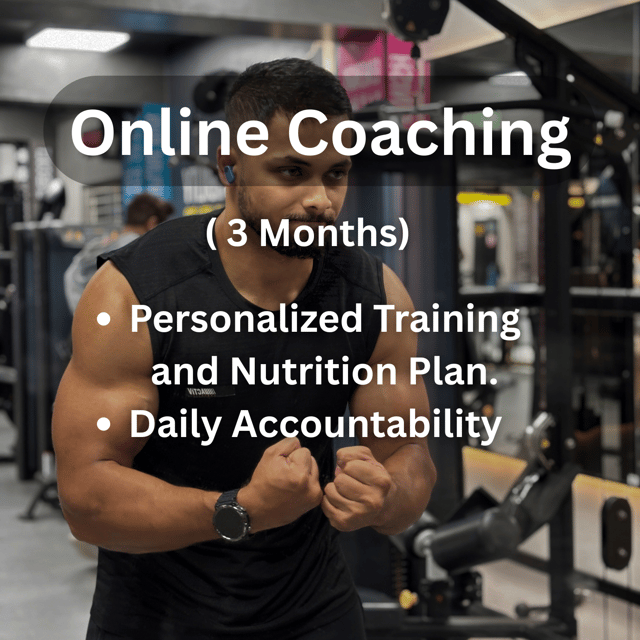
Career, Fitness & Lifestyle Consultation
About me
- India's No. 1 Junior Squatter - Powerlifting Rankings 2023https://www.openpowerlifting.org/rankings/raw/wpc-india/20-23/2023/by-squat?fbclid=PAZnRzaANvu71leHRuA2FlbQIxMQABp0skCyflSLEbsDo4lUjyUxH5BKKL_fcJKh0LvS2vU7G9mGkcUTu7-v0Ut5Ki_aem_4_7IjWdB_GRSQ_vjA2WKRw

Frequently asked questions
How to make a home workout plan that fits a 9-to-5 schedule?
Start with the number of days you can honestly commit to — three to five sessions a week is enough for most working professionals. Pick a simple split (full-body for three days, or push/pull/legs if you can manage five), choose basic compound movements, and keep sessions 30–45 minutes. Schedule workouts like fixed meetings, keep a 20-minute backup version for chaotic days, and progress reps or load slightly every week. A plan you can follow on your worst busy day beats a perfect one you quit in week two.
What is the best home workout plan if I can train only 30–45 minutes a day?
The best plan is the one that matches your available time, equipment, and recovery — not a trending routine. With limited time, prioritise 3 full-body strength sessions a week built around squats, push-ups, rows, and hip hinges, plus a daily step target. If you can train 5–6 days, a push/pull/legs split works well. Consistency and weekly progression matter far more than exercise variety.
Are home workouts effective for fat loss and muscle building, or is a gym necessary?
Yes, home workouts are effective when they include progressive overload — making exercises harder over time through extra reps, slower tempo, or added resistance. Bodyweight and dumbbell training can build muscle, and fat loss is driven mainly by a calorie-controlled diet. A gym adds heavier loading options and variety, but for most beginners and busy professionals, home training done consistently beats gym training done occasionally.
Can you actually build strength with a home workout plan without equipment?
Yes. Push-up variations, squats, lunges, glute bridges, pike push-ups, and planks build real strength when progressed systematically — slower reps, harder variations, more sets. A backpack loaded with books works as makeshift weight for squats and rows. The only real limitation appears at advanced levels, especially for pulling and heavy lower-body work, where a pair of adjustable dumbbells or resistance bands becomes a worthwhile upgrade.
Is a home workout plan PDF better than following random free videos?
A structured PDF removes the biggest failure point: decision fatigue. Instead of picking a random video each day, you get a fixed weekly schedule, defined sets and reps, and a progression path you can track and repeat. Look for one that matches your equipment, fitness level, and goal (fat loss vs muscle building), includes rest days, and tells you what to do after a missed session. Free videos are great for learning form; a plan is what builds consistency.
What should a home workout plan for women include, especially with PCOS or PCOD?
It should be built around strength training — 3 to 4 sessions a week with progressive resistance — rather than cardio alone. Add adequate protein, a moderate calorie deficit if fat loss is the goal, and proper recovery. For PCOS and PCOD, resistance training is often recommended because it can support insulin sensitivity; pair it with medical guidance, keep intensity manageable, and stay consistent. A daily step goal of 8,000–10,000 works well as a low-stress add-on.
What does a good home workout plan for a week look like?
A balanced week: Monday full-body strength, Tuesday a 30–40 minute brisk walk or cycling, Wednesday lower body and core, Thursday rest or mobility, Friday upper body, Saturday a longer walk, sport, or light cardio, and Sunday full rest. Adjust the days to your schedule — the pattern of 3 strength days, 2–3 easy movement days, and 1–2 rest days is what matters, along with 7–8 hours of sleep.
Can a home workout plan with dumbbells replace the gym?
For the first year or two of training, yes. Adjustable dumbbells cover rows, presses, squats, lunges, Romanian deadlifts, and curls with room for progressive overload, and a bench plus pull-up bar expands the options further. Advanced lifters eventually want heavier barbell loading for the lower body, but for fat loss, general strength, and physique goals, a dumbbell-based home plan done consistently is enough.
What is a weight loss plan that actually works for someone with a desk job?
A weight loss plan is simply a repeatable weekly system: a calorie deficit through food, a daily step target, 2–3 strength sessions to protect muscle, and fixed sleep. It should define portion sizes without banning your regular foods, set a realistic weekly routine around office hours, and include a weekly review of weight and habits. Aim for 0.5–1 kg of loss per week — if a plan demands perfection, it is the wrong plan.
How to plan a fat loss diet without giving up rice, roti, and weekend outings?
Build the deficit through portions and protein, not elimination. Keep roti, rice, and dal but fix the quantities, add a protein source to every meal — eggs, paneer, curd, chicken, soya, or dal — and fill half your plate with vegetables. Move fried snacks and sweets to occasional rather than daily, and plan for one social meal a week instead of pretending it will not happen. A diet that survives office lunches and family dinners always outlasts a strict one you quit in three weeks.
How to plan a fat loss workout if I can train only 4 days a week?
Put 3 strength days first — full-body or upper/lower — to protect muscle while you lose fat, and use the fourth day for low-intensity cardio or a long walk. Keep sessions around 40 minutes: compound lifts first, short rest periods, no wasted volume. Remember that the diet deficit drives fat loss; training's job is to keep muscle and shape your physique. Turning every session into punishing cardio is the fastest way to burn out.
Is a fat loss plan for women different from a fat loss plan for men?
The fundamentals — calorie deficit, enough protein, strength training, and daily steps — are the same for both. The differences lie in emphasis and practicality: plans for women often address lower-body and core focus, cycle-related energy fluctuations, and conditions like PCOS or PCOD, while plans for men usually start from higher calorie intakes and target stubborn belly fat. The structure can be identical; portions, expectations, and tracking should be individualised.
How to plan a muscle building workout and diet as a complete beginner?
Start with 3–4 full-body sessions a week built on compound movements — squats, presses, rows, and hip hinges — around 6–10 exercises total, 3 sets each. Add reps or small amounts of weight every week, keep 1–2 rest days, and sleep 7+ hours. Treat your muscle building plan and diet as one system: a small calorie surplus and roughly 1.6–2g of protein per kg of bodyweight do the muscle-building work alongside training. Beginners can expect visible changes within 8–12 weeks of consistency.
How do recruiters shortlist resumes, and why do good candidates get rejected?
Recruiters typically spend only a few seconds scanning for role fit: relevant job titles, keywords matching the job description, recent experience, and measurable results. Resumes get rejected for listing duties instead of achievements, ATS-unfriendly formatting, missing keywords, typos, and sending the same generic CV to every role. Mirror the job description's language, lead each bullet with an outcome — numbers, percentages, time saved — keep it to 1–2 pages, and tailor it for every application.
How to prepare for a job interview when you're already working full-time?
Map your experience to the top 3–4 requirements of the role, and prepare 4–5 stories in a situation-action-result format covering teamwork, conflict, failure, and achievements. Rehearse your answers aloud, prepare 2–3 questions to ask the interviewer, and do one mock round with a friend so the real conversation feels familiar. For HR rounds, decide in advance how you'll answer "why this role," salary expectations, and notice-period questions. Calm and structured beats over-rehearsed every time.