Testimonials
Services
Short Mentorship Program
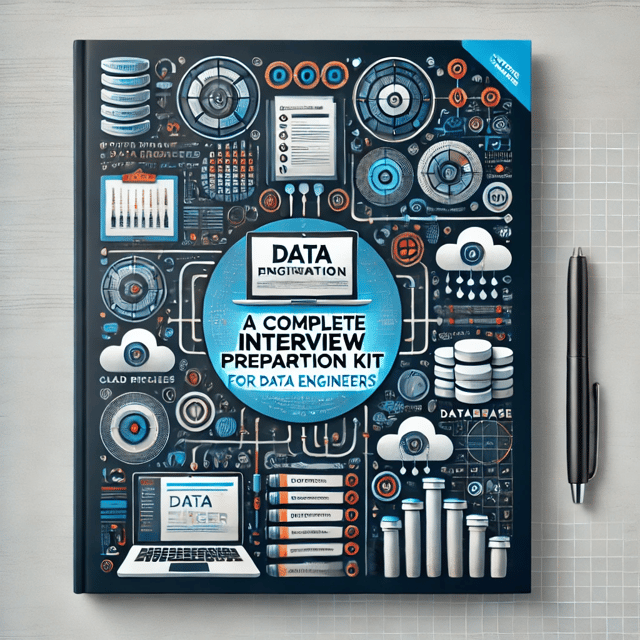
ONLY for NON TECH People - CONNECT 1:1
One on One Mentorship by Himanshu jain
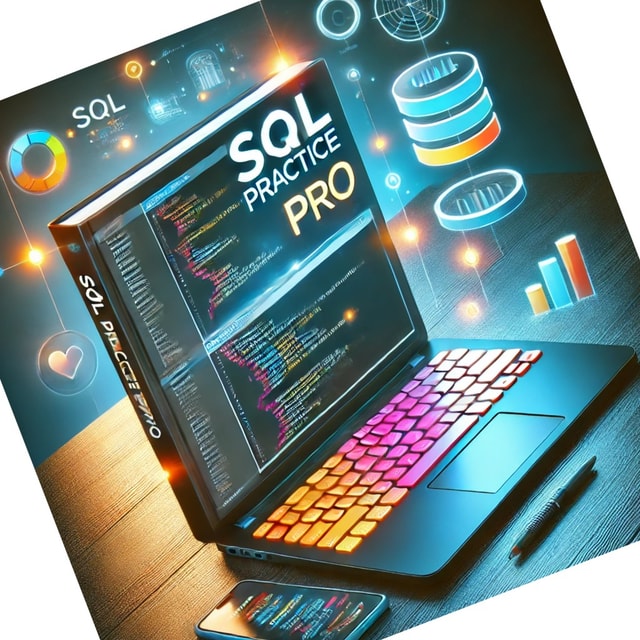
Connect 1:1 || Begin Your Data Path in India !
About me
- 𝟭𝟬% 𝒐𝒇 𝒎𝒚 𝑬𝒂𝒓𝒏𝒊𝒏𝒈𝒔 𝒂𝒓𝒆 𝒔𝒐𝒍𝒆𝒍𝒚 𝒅𝒆𝒅𝒊𝒄𝒂𝒕𝒆𝒅 𝒕𝒐 𝑷𝒐𝒐𝒓 & 𝑵𝒆𝒆𝒅𝒚 𝑷𝒆𝒐𝒑𝒍𝒆.

Frequently asked questions
How to start a data engineering career in India?
The most practical way to start a data engineering career is to first master SQL and Python, since both are non-negotiable in every data engineering role. Next, learn data modeling, databases, and ETL concepts, then pick one cloud platform — Azure, AWS, or GCP — and get hands-on with data lakes, warehouses, and pipeline tools. Add Spark for big data processing and build 2–3 end-to-end projects, such as one batch pipeline and one streaming pipeline. Once your fundamentals are solid, target junior data engineer roles or transition internally from software, analyst, or database roles, which is one of the most common routes in India.
Are data engineers in demand in India?
Yes, data engineers are in strong demand across India. Every sector — e-commerce, fintech, retail, banking, telecom, and IT services — needs professionals who can build and maintain data pipelines, and product companies and GCCs hire aggressively for these roles. With businesses moving to cloud-based analytics and real-time streaming, skilled data engineers, especially those with Spark, Kafka, and cloud expertise, often receive multiple offers and faster salary growth than many adjacent tech roles.
Is data engineering a good career?
Yes, data engineering is one of the most stable and rewarding tech careers right now. It pays on par with or better than software engineering at many product companies, faces less competition than data science, and every organization that collects data depends on data engineering to make that data usable. If you enjoy SQL, Python, backend systems, and solving problems at scale, data engineering offers a clear progression from engineer to senior, lead, and architect levels.
What does a typical data engineering career path look like?
Most people begin as a junior or associate data engineer — or move in from software development, database administration, or data analyst roles — and then progress to data engineer, senior data engineer, and lead or staff data engineer. From there, the data engineering career path usually branches into data architect, engineering manager, or specialized platform and streaming roles. In India, reaching a senior level typically takes 4–6 years, and each jump depends heavily on depth in SQL, Python, Spark, cloud platforms, and pipeline design.
What does data engineering career growth look like in India?
Data engineering career growth is faster than in many traditional IT roles. Freshers usually start as junior or associate data engineers, move into full data engineer roles within 1–2 years, and reach senior positions by 4–6 years with the right skills. Compensation jumps significantly when you move from service-based companies to product companies or GCCs, and expertise in Spark, Kafka, cloud platforms like Azure, AWS, and GCP, and pipeline optimization is what separates fast growers from the rest.
Do I need a data engineering career coach or mentor to switch into data engineering?
You can become a data engineer through self-study, but a data engineering career coach or mentor shortens the journey considerably. Someone already working as a senior data engineer can tell you exactly which skills to prioritize, review your resume from a hiring manager's perspective, run mock interviews, and help you avoid months of trial and error. This is especially useful if you are switching from a non-tech or support role, where the biggest challenge is knowing what companies actually expect, and many professionals in India book a few focused sessions with an experienced mentor instead of buying unfocused courses.
What are data engineering interview questions usually based on?
To understand what are data engineering interview questions really testing, look at five core areas: SQL (joins, window functions, query optimization), Python or Scala coding, data modeling and warehouse design, big data tools like Spark, Hadoop, and Kafka, and cloud services on Azure, AWS, or GCP. Along with these, expect scenario-based questions where you design or debug a data pipeline, a few questions on ETL concepts and data quality, and sometimes basic DSA. The weightage shifts with seniority — freshers get more fundamentals, while experienced candidates get more system design and optimization.
What are the most common data engineer interview questions for freshers?
The most common data engineer interview questions for freshers start with SQL — expect queries involving joins, GROUP BY, aggregate functions, and classic problems like finding the second-highest salary or removing duplicates. Then come basic Python questions, differences between databases and data warehouses, OLTP vs OLAP, ETL vs ELT, and simple data modeling questions like star schema. Interviewers also dig deep into any projects on your resume, so be ready to explain how you built your pipeline end to end, and a few product companies may add easy-to-medium DSA problems.
Which data engineer interview questions for 2 years experience are asked most often?
The data engineer interview questions for 2 years experience go deeper than fundamentals. Expect complex SQL with window functions and CTEs, Python coding on data manipulation, detailed questions on the projects you have delivered, and scenarios like loading incremental data, handling late-arriving records, or debugging a failing production pipeline. If your stack includes Spark or a cloud platform, prepare for questions on Spark basics such as transformations vs actions and caching, and services like Azure Data Factory or Databricks.
What are the important data engineer interview questions for 5 years experience?
The data engineer interview questions for 5 years experience focus on design and depth rather than syntax. Expect Spark internals and performance tuning (skew handling, partitioning, broadcast joins, memory management), end-to-end pipeline architecture, streaming design with Kafka and Spark Streaming, data lake and warehouse design on Azure, AWS, or GCP, and cost and job-execution optimization questions. You will also face system-design scenarios such as building a fault-tolerant pipeline at scale, plus questions on data quality, orchestration, and how you have mentored juniors or led releases.
Where can I find reliable data engineer interview questions and answers?
Look for data engineer interview questions and answers prepared by working data engineers rather than generic question banks. Good sources include structured interview preparation kits with detailed answers and real-world scenarios, SQL practice platforms, GitHub repositories, and official documentation for tools like Spark and Kafka. The most reliable material usually comes from a senior data engineer who has interviewed candidates, because the answers reflect what interviewers actually expect — not just textbook definitions.
What are the most asked big data interview questions and answers?
The most asked big data interview questions and answers revolve around Spark, Hadoop, and Kafka. For Spark, expect its architecture (driver and executors), transformations vs actions, lazy evaluation, caching, and how to fix slow or skewed jobs. For Hadoop, prepare HDFS, MapReduce, and YARN basics, and for Kafka, topics, partitions, consumer groups, and offset management. Also practice scenario questions on optimizing job execution time, handling small files, choosing between batch and streaming, and ensuring data quality — interviewers prefer answers backed by real project experience over memorized definitions.
Where can I get a big data interview questions and answers PDF for quick revision?
Several senior data engineers and mentorship platforms offer a big data interview questions and answers PDF or downloadable prep kit compiled tool-wise for Spark, Hadoop, and Kafka. When choosing one, check that it includes scenario-based questions with real interview answers rather than just a list of questions, and that it is organized by tool so you can revise quickly before interviews. A PDF works best for last-week revision — pair it with hands-on practice and at least one mock interview for the best results.