Testimonials
Services
Check-In Sessions
Discovery Call


The Mind Matters: The Roadmap to Inner Wellness!
Consistent Routine Building
Therapy: 8 Sessions
Book Your Therapy Session!
Therapy: 4 Sessions
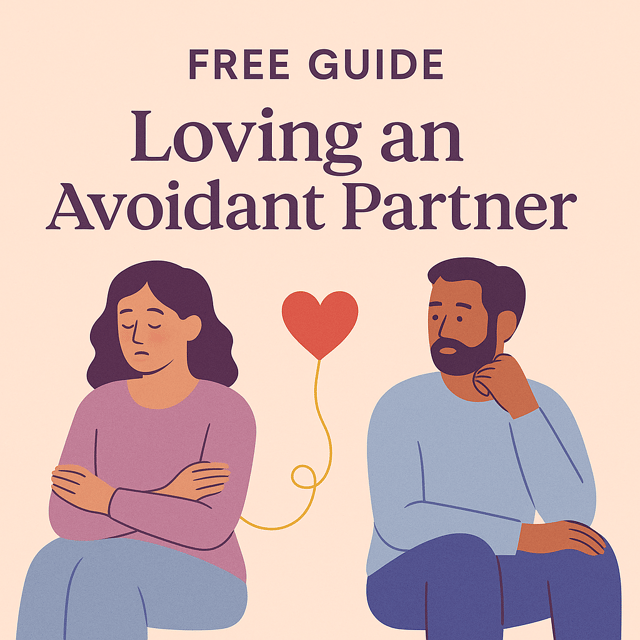
How to Love Someone with Avoidant Attachment
Couples Therapy
1:1 Coaching Call
About me
- Empower Your Superpowers by Anjali Gursahaneyhttps://www.amazon.in/Empower-Your-Superpowers-Anjali-Gursahaney/dp/9390617553

Frequently asked questions
What is the meaning of self-esteem?
Self-esteem is the overall opinion you hold about yourself — how much you value, respect, and believe in your own worth. The self-esteem meaning goes beyond confidence: confidence is about what you can do, while self-esteem is about how worthy you feel as a person. Healthy self-esteem helps you handle criticism, set boundaries, and recover from failure without feeling worthless, while low self-esteem often shows up as constant self-doubt, people-pleasing, and comparing yourself to others.
What is self-esteem in Hindi?
In Hindi, self-esteem is commonly expressed as "आत्म-सम्मान" (aatma-samman), which literally means self-respect, or "आत्म-मूल्य", meaning self-worth. It refers to the value and respect you give yourself regardless of your marks, salary, or others' approval. If your inner voice constantly says "मैं अच्छा नहीं हूँ" (I am not good enough), that is a sign of low self-esteem. It can be improved through self-acceptance, positive self-talk, and keeping small promises to yourself daily.
How to build self-esteem?
To build self-esteem, focus on small consistent actions rather than sudden motivation. Challenge negative self-talk and reframe it, keep small promises to yourself, maintain a daily wins journal, limit comparing your life to Instagram highlights, and practise saying no without guilt. If low self-worth is rooted in childhood criticism, bullying, or a toxic relationship, working with a counselling psychologist helps you untangle it much faster. Self-esteem grows through repeated evidence that you can trust yourself — consistency matters more than intensity.
What are the symptoms of burnout?
The most common symptoms of burnout are exhaustion that rest doesn't fix, feeling cynical or detached from work, irritability, brain fog, poor concentration, and a constant sense that nothing you do is enough. Physical signs include disturbed sleep, frequent headaches, low immunity, and appetite changes. Burnout builds gradually — you may start dreading Mondays, withdrawing from people, and feeling emotionally numb. If this has lasted more than a few weeks, treat it as burnout rather than "just tiredness".
How long does burnout recovery take?
There is no fixed timeline — mild burnout can improve within a few weeks of rest and boundaries, while severe burnout affecting sleep, health, and emotions can take 3–6 months or longer. Burnout recovery usually moves through stages: first deep rest and detachment, then resetting boundaries and addressing root causes, and finally rebuilding routines that prevent relapse. Recovery is rarely linear, and pushing back into the same schedule too early usually brings symptoms back, so give yourself realistic time.
How to speed up burnout recovery?
You can speed up burnout recovery by treating it like an actual recovery, not just a holiday. Prioritise genuine rest (sleep and switching off work notifications), reduce workload, fix the root cause — whether that is work pressure, perfectionism, or people-pleasing — and get support from a therapist or coach so you rebuild with a plan instead of drifting back into old patterns. Structured help like guided recovery sessions or a workbook prevents relapse. Real speed comes from removing the cause, not only resting.
How do I create a burnout recovery plan?
A simple burnout recovery plan has four parts: assess (list your symptoms, energy levels, and biggest stressors), rest (fix your sleep schedule and set digital and workload boundaries), reset (address root causes like overcommitment and self-worth patterns), and rebuild (reintroduce work gradually with breaks and realistic routines). Review your progress weekly, and if exhaustion persists beyond a few weeks, involve a mental health professional. Guided workbooks or regular check-in sessions help keep the plan on track.
What is stress management in simple words?
In simple words, stress management means noticing what is stressing you and using specific techniques to stop it from harming your body, mind, and relationships. It does not mean removing all stress — it means controlling your response: planning instead of panicking, resting before you break down, and talking instead of bottling things up. Good stress management protects your sleep, focus, and health, while poor stress management slowly turns into anxiety, burnout, and health problems.
Which stress management techniques actually work?
The stress management techniques with the strongest results are deep breathing (like box breathing), regular exercise, journaling to offload racing thoughts, time-blocking to reduce overwhelm, and short mindful breaks between tasks. Talking to a friend or therapist lowers stress faster than isolating, while late-night caffeine and doom-scrolling quietly add to it. Match the technique to the stress: breathing helps acute stress, planning helps workload stress, and therapy helps stress rooted in overthinking or relationships.
How to manage stress in the workplace?
Start by separating what you can control from what you cannot, then set clear start and finish times for your workday. Take real lunch breaks, break big projects into smaller tasks, and communicate workload limits early instead of silently absorbing extra pressure. Learn to say "I can take this up tomorrow" rather than defaulting to yes. If work stress has reached the point of exhaustion, cynicism, or constant dread, that is a burnout signal that needs professional support, not just another productivity hack.
How can students deal with exam stress and pressure?
Exam stress usually comes from pressure (self, parents, or comparison) combined with poor planning. Effective stress management for students includes breaking the syllabus into daily targets instead of last-minute marathons, using active revision like practice papers instead of re-reading, sleeping 7–8 hours because all-nighters damage memory, and taking short movement breaks between study sessions. If exam fear leads to panic, blanking out, or constant self-criticism, that is a sign to talk to a parent, teacher, or counsellor rather than pushing harder.
How to love someone with avoidant attachment?
Loving someone with avoidant attachment starts with understanding that their need for space is not rejection. Avoid chasing when they withdraw — give room and let them return, communicate your needs calmly using "I feel" statements instead of accusations, and be consistent, since avoidant partners slowly test whether closeness is safe. Appreciate their small steps towards vulnerability, and keep your own friendships and boundaries so you don't lose yourself. If the push-pull cycle is causing constant conflict, couples therapy can help both partners understand the pattern.
What is the difference between therapy and coaching?
Therapy focuses on healing — it helps you work through emotional pain, anxiety, past wounds, and mental health concerns with a trained psychologist or therapist. Coaching is future-focused — it helps you build routines, confidence, clarity, and goals when you are functioning but feeling stuck. If you are experiencing deep distress or burnout symptoms, start with therapy; if you mainly need structure and accountability, coaching works well. Some professionals are qualified in both, so a discovery call can help you figure out which fits your situation.
How to stop overthinking?
You cannot force your brain to switch off, but you can interrupt the loop: write the thoughts down to get them out of your head, set a fixed 10-minute "worry window", ask yourself whether the thought is a fact or a fear, and shift attention to a concrete task or your body through a walk or breathing. Overthinking usually feeds on uncertainty and self-doubt, so set deadlines and act on 70% clarity instead of waiting for perfect answers. If it is stealing your sleep and peace most days, therapy can help you address the deeper cause.
Does couples therapy work?
Yes, couples therapy works when both partners are willing to be honest and practise what is discussed between sessions. It is most effective for recurring fights, communication breakdowns, trust issues, and patterns where you keep having the same argument in different forms. It helps you understand each other's attachment styles and triggers instead of blaming each other. It works less well when one person joins only to "fix" the other, and going early — before resentment hardens — gives the best results; you don't need to be on the verge of a breakup to start.