Testimonials
Services
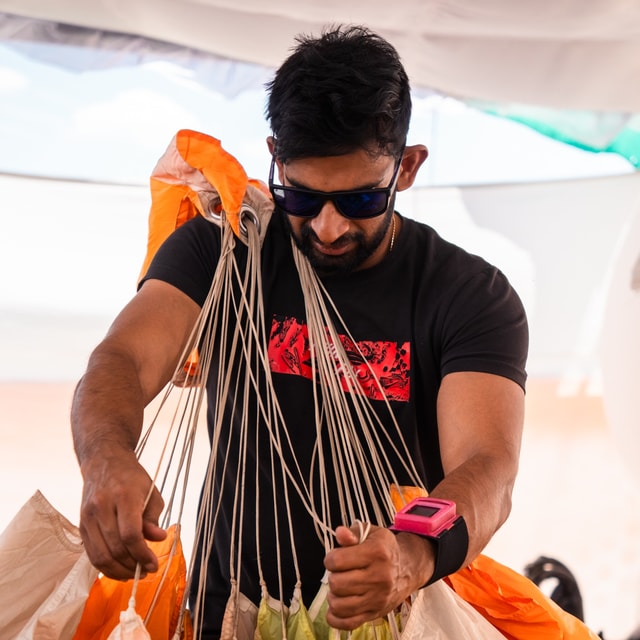
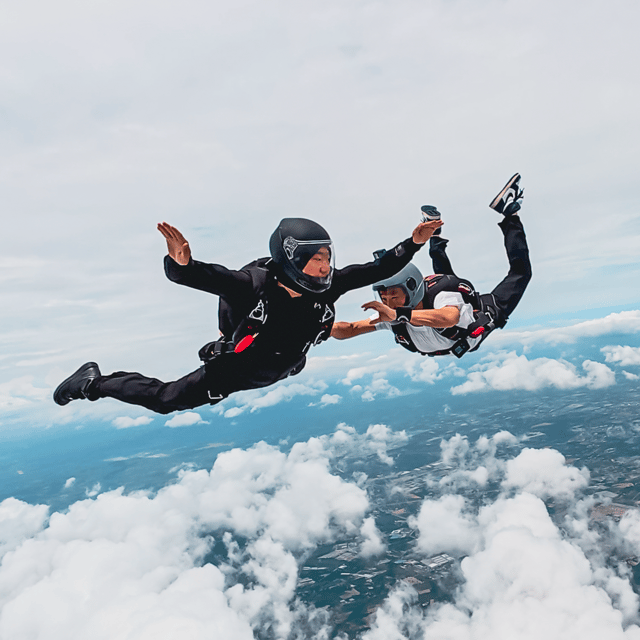
Skydiving Consultation
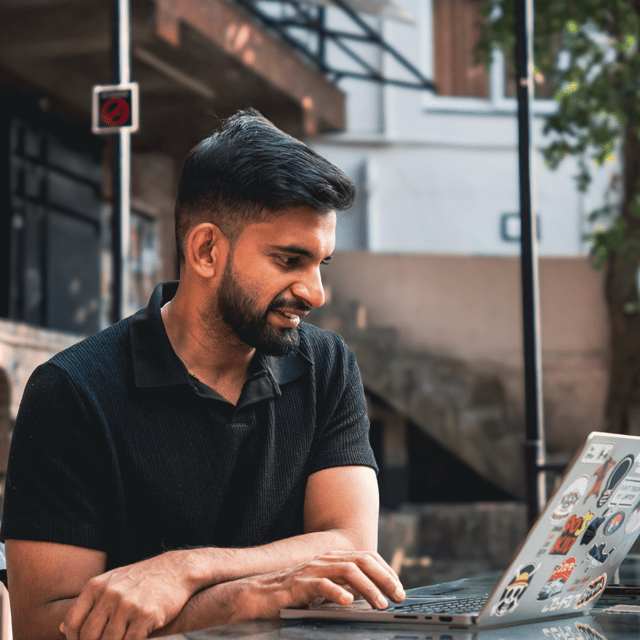
Remote Adventure Life Strategy Call
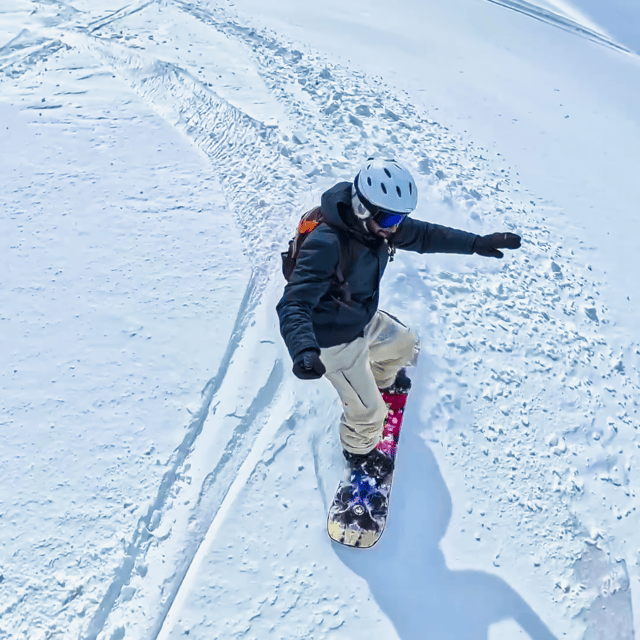
Extreme Adventure Sport Consultation
Frequently asked questions
How to get a skydiving certification?
If you are wondering how to get a skydiving certification, the standard route is the AFF (Accelerated Freefall) program. You begin with ground school covering equipment, exit technique, freefall position, and parachute control, then clear around 7–8 instructor-supervised jumps, followed by solo consolidation jumps until you reach roughly 25 jumps and qualify for your A License. You also need to meet basic requirements such as being at least 18 years old, staying within the drop zone's weight limit, and being medically fit.
What is a skydiving license called?
The beginner skydiving license is most commonly called the A License, issued under the USPA (United States Parachute Association) system that most drop zones around the world follow. Once you hold the A License, you can progress to the B, C, and D Licenses as you complete more jumps and advanced skills.
What are the skydiving certification levels?
The skydiving certification levels move from student status to the A, B, C, and D Licenses. The A License, earned after roughly 25 jumps, proves you can exit, fly, deploy, and land safely; higher licenses add skills like accuracy landings, water jumps, night jumps, and larger group formations. AFF levels 1 through 7 or 8, depending on the school, are the student stages you clear on the way to the A License.
How much does skydiving certification cost?
The skydiving certification cost depends mainly on where you train. Because AFF options in India are limited, most Indian students complete their course in Thailand or the UAE, where a full AFF course with around 25 jumps typically works out to roughly US$1,500–2,500, plus travel, stay, and repeats of any level you fail. Always budget extra jumps beyond the minimum, since almost nobody passes every level on the first attempt.
Can you get a skydiving certification in India?
Options for skydiving certification in India are still limited. A handful of drop zones — around Mysore, Dhana, Deesa, and Aamby Valley — run tandem jumps and, at times, student training, but AFF slots are seasonal and infrequent. This is why most Indian skydivers complete their certification abroad in places like Thailand or the UAE and keep practicing whenever they get jump slots back home.
Can I do my skydiving certification in Thailand?
Yes — Thailand is one of the most popular destinations for Indian skydiving students. Drop zones near Bangkok and Pattaya run AFF courses on the international student syllabus, offer reliable weather for most of the year, and cost less than training in Europe or the US, which is why many Indians choose skydiving certification in Thailand over other countries.
What is skydiving school?
A skydiving school — often called a drop zone or skydiving center — is a facility with aircraft, certified instructors, riggers, and student equipment where you can do tandem jumps and complete structured training like AFF. Before enrolling, check the instructors' certifications, the aircraft, the safety record, and whether the school follows a USPA-style student program.
How to learn skydiving?
The most common way to learn skydiving is to start with one or two tandem jumps to get comfortable with freefall, then join an AFF course where you wear your own parachute under close instructor supervision. From your first jump to becoming a licensed solo skydiver usually takes a few weeks to a few months, depending on your budget, the weather, and how often you can travel to a drop zone.
How to skydive in India?
To skydive in India, book a tandem slot at an established drop zone such as Mysore in Karnataka, Dhana in Madhya Pradesh, Deesa in Gujarat, or Aamby Valley near Pune. After a short ground briefing, you are harnessed to a certified tandem instructor and jump from roughly 8,000–10,000 feet. Slots depend heavily on weather and season, so book in advance and keep a buffer day.
How to skydive solo?
You cannot skydive solo as a complete beginner — you first complete an AFF course, clear all your student levels, and earn your A License. Most people need around 25 jumps along with demonstrated skills such as stable freefall, deploying at the correct altitude, and landing accurately before they are cleared to skydive solo.
How much does it cost to skydive in India?
A tandem skydive in India typically costs somewhere between ₹25,000 and ₹35,000 per person depending on the drop zone, jump altitude, and season, with photo and video packages charged separately. Prices change often, so confirm the current rate directly with the drop zone before booking.
How much does skydiving cost in the UAE?
A tandem skydive in the UAE, usually at Skydive Dubai over the Palm, costs roughly AED 2,000–2,500 (around ₹45,000–₹60,000) per person, with photos and video charged extra. It is one of the pricier but most scenic jumps in the world, and rates vary by season, so check current prices before planning your trip.
What is a digital nomad lifestyle?
A digital nomad lifestyle means earning your income remotely — through a job, freelancing, or your own projects — while living and travelling in different places instead of being tied to one office or city. It gives you location freedom, but it still means working full-time while handling travel, visas, and living costs on your own.
How to live a digital nomad lifestyle?
To live a digital nomad lifestyle, you need three foundations: a location-independent income, a realistic budget for travel and living costs, and simple systems for work, visas, insurance, and accommodation. Most people start by moving their current job remote or building freelance income, then test the lifestyle with one or two months of travel before committing fully.
Is being a digital nomad worth it?
If you value freedom, travel, and control over your time, being a digital nomad is worth it for many people — but it is not a permanent holiday. You still work full-time while dealing with unreliable Wi-Fi, visa paperwork, loneliness, and income that can fluctuate. It suits people who already have a stable remote income and enjoy solving problems on the move.