Testimonials
Services
Professional Connect
Design education
Design Portfolio Review
SOP review

Mindful consumption
Mastering Your Minutes : Time is on Your Side
Postgraduate opportunities after B.Des
Sustainable Fashion / Clothing
Sustainable Clothing and Enterpreneurship
Parenting

Podcasts
Ask me anything
A Question


Project discussions/Enterpreneurship/Mentoring
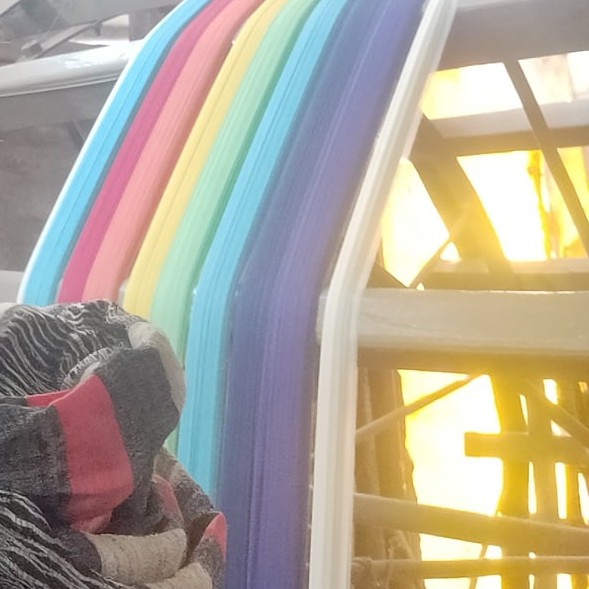
Handloom Business Mentoring
Handloom the conscious fabric it's the vitamin H
How to write a book
I intend to be better
Wardrobe re org
Word weaving / beading
Power in your wardrobe robe
Priority DM
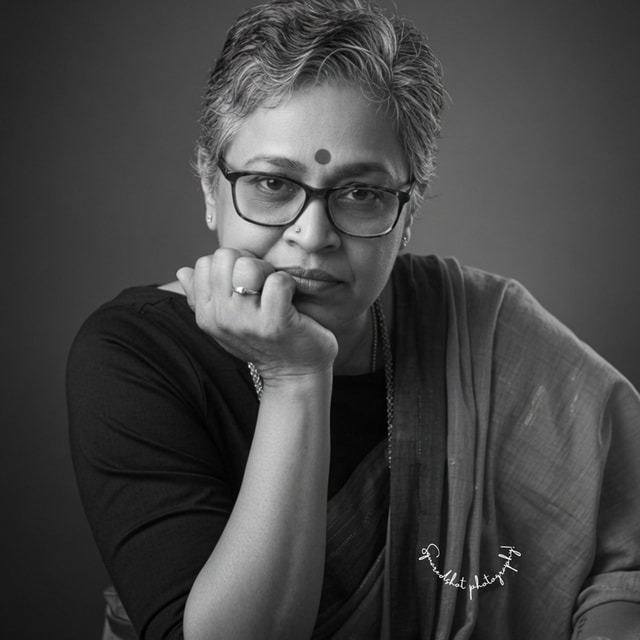
About me
- Committing 10% to the rural livelihoods
Frequently asked questions
What is handloom fabric?
Handloom fabric is cloth woven by hand on a manually operated loom, without electricity or automated machinery. India has one of the largest handloom traditions in the world, with weaver clusters in Telangana, Andhra Pradesh, West Bengal, Madhya Pradesh and Tamil Nadu. Because each piece is woven manually, handloom fabric carries slight irregularities in weave and texture, which are signs of its artisanal origin rather than flaws.
What are the most famous handloom fabrics of India?
The most celebrated handloom fabrics of India include Pochampally ikat and Gadwal from Telangana, Chanderi and Maheshwari from Madhya Pradesh, Banarasi brocades from Uttar Pradesh, Kanjeevaram from Tamil Nadu, and Jamdani and tant from West Bengal. Each region has its own motifs, weaving technique and signature drape, and many of these weaves carry GI tags that certify their regional origin.
How to identify handloom fabric?
Look closely at the weave — genuine handloom fabric shows small irregularities and slubs, while powerloom fabric is unnaturally uniform. The selvedge edges are usually neat and hand-finished, and the fabric feels softer and more breathable than mill-made equivalents. In India, authentic handloom products often carry the Handloom Mark or a GI tag, so always ask for certification when buying.
Where can I buy handloom fabric online in India?
You can buy handloom fabric online through government emporiums, weaver cooperative websites, and independent labels that source directly from weaving clusters. Before ordering, check whether the seller mentions the weave cluster, fibre content and certifications like the Handloom Mark. Starting with a small quantity helps you judge the quality before buying in bulk.
Where can I buy handloom fabric wholesale in India?
Handloom fabric wholesale sourcing works best directly from weaver cooperative societies, state handloom corporations and clusters such as Pochampally, Chanderi and Bhagalpur. National and state handloom expos are also excellent places to meet weavers face to face. Building a direct relationship with weaver groups gives you better rates, consistent quality and the assurance that artisans are paid fairly.
What is khadi fabric made of?
Khadi fabric is made from yarn that is hand-spun on a charkha and then hand-woven on a loom. The fibre is usually cotton, but khadi is also made from silk varieties like tasar, eri and muga, from wool, and from blends of these. Since both spinning and weaving are done by hand, khadi has a distinctive slubby texture and becomes softer with every wash.
How to identify khadi fabric?
Real khadi feels slightly textured on first touch, with visible slubs and an uneven hand-woven surface that smoothens after a few washes. Hold it up to the light and you will notice the irregular weave that comes from hand spinning and hand weaving. Certified khadi carries the KVIC mark, and unlike some handloom cloth made with mill-spun yarn, khadi is always handspun as well as handwoven.
How to soften khadi fabric?
Khadi softens naturally with every wash and wear. To speed this up, soak new khadi in cold water for a few hours before the first wash, use a mild detergent, and rinse with a little white vinegar or fabric conditioner. Avoid bleach, harsh scrubbing and high-heat drying, as these weaken the handspun yarn instead of relaxing it.
How to iron khadi fabric?
Iron khadi while it is slightly damp, using a medium heat setting suitable for cotton. Place a thin cotton cloth between the iron and the fabric, or press on the reverse side, so the weave and any natural dyes stay protected. Steam ironing also works well, but avoid pressing too hard on fine or loosely woven khadi.
What is the typical khadi fabric price in India?
Khadi fabric price depends mainly on the fibre, yarn count and fineness of the weave. Coarse cotton khadi is the most affordable and often starts at a few hundred rupees a metre, while fine handspun varieties, khadi silk and multicoloured weaves cost considerably more because they take far longer to spin and weave. Handspun, handwoven cloth will always cost more than mill fabric, and that difference is what sustains spinning and weaving households.
What is sustainable fashion and why is it important?
Sustainable fashion is clothing that is designed, produced, used and disposed of in ways that minimise environmental harm and treat garment workers fairly. It matters because conventional fashion consumes enormous amounts of water and energy and creates mountains of textile waste. In India, the idea is not new — handloom and khadi are sustainable by nature, relying on natural fibres, manual weaving and long-lasting construction, which places them at the heart of the country's sustainable fashion movement.
Is sustainable fashion more expensive?
Sustainable fashion often costs more upfront because it uses natural fibres, handcrafting and fair wages instead of mass production. However, well-made garments last far longer, so the cost per wear is usually lower. A practical approach is to buy fewer, better pieces — one well-woven handloom kurta that serves you for years is more economical than several fast-fashion items that lose shape after a few washes.
How to start a sustainable fashion brand?
Begin with a clear purpose — reviving a particular weave, reducing waste or creating artisan livelihoods — and build a small capsule collection around it. Source responsibly from weaver clusters, price honestly, and let your supply chain become part of your brand story. The next real challenge is how to market sustainable fashion: educate your buyers, show your process transparently, and build a community around your brand rather than just a customer base. Mentoring from someone who has built handloom and retail businesses can help you avoid costly mistakes in the early stages.
Which are the best sustainable fashion brands in India?
Sustainable fashion in India is deeply rooted in handloom and khadi, so the most credible labels are usually those working directly with weavers and artisan clusters rather than mass-producing "eco-friendly" ranges. When evaluating sustainable fashion brands in India, look for transparency about fabric sources, natural or low-impact dyes, fair artisan wages, and certifications like the Handloom Mark, GOTS or Fairtrade. A brand that tells you exactly which cluster wove your fabric is generally more trustworthy than one that only uses green-sounding language.
What are some sustainable fashion ideas for kids?
Choose soft, breathable natural fabrics like cotton khadi for children's clothing, and build a small capsule wardrobe of mix-and-match pieces instead of piles of fast fashion. Use hand-me-downs, upcycle outgrown clothes into shorts or frocks, and involve children in simple repairs and fabric care so they learn to value what they own. Kids who grow up seeing clothes mended, reused and respected naturally grow into conscious consumers.