Testimonials
Services
Reliance GET 2027 – Start Your Preparation Today
Tata Motors Complete Placement Prep Guide
IBM Preparations Material 2026
TCS NQT Preparations Book 2026
Infosys Preparation Material 2026
Accenture Preparation Materials 2026
L&T 2026 recruitment exam
Ultimate ATS Resume Guide
Ultimate Job Prep Mega Bundle 35+ Companies

Crack Top Tech Company Google, Microsoft, Amazon.
Resume Review
DSA Your Complete Coding Interview Preparation Kit
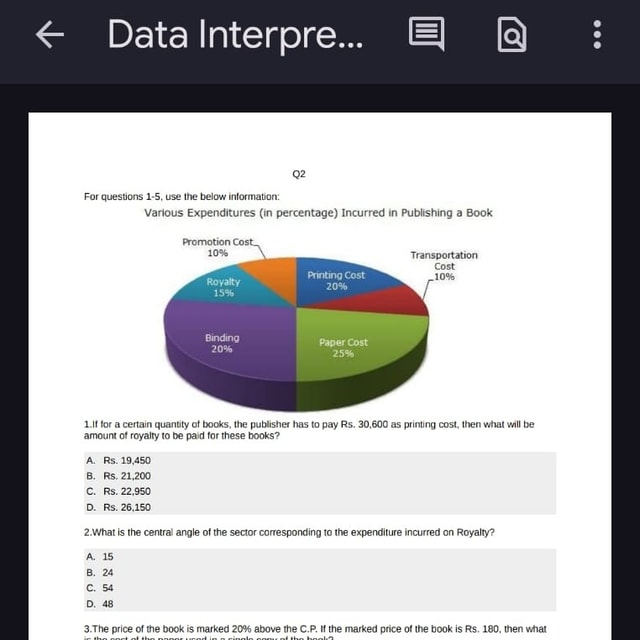
ChatGPT Prompts for Job Interview Preparation
Career Guidance
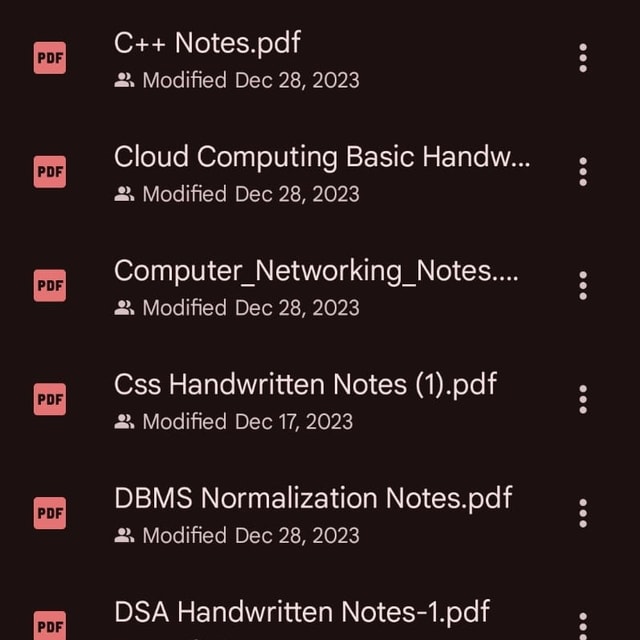
Complete HCL Preparation Material
Capgemini Complete Preparation Pack 2026
Access the Hiring Agencies Companies Use
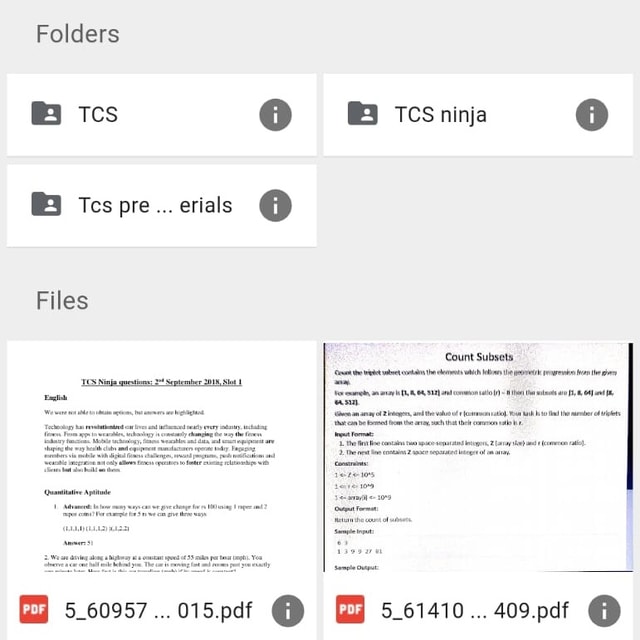
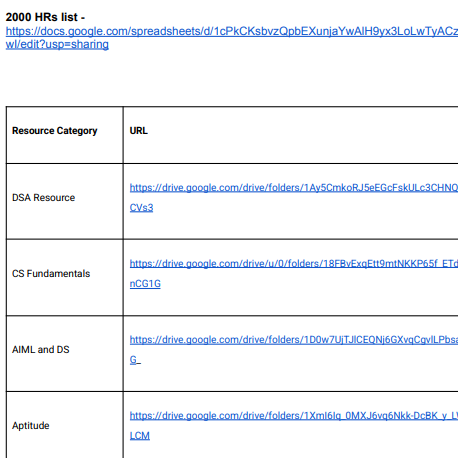
🚀 Placement Power PDF – 2026
Wipro Preparations Material 2026
📘 Internship Calendar 2026 (Government + Private)
Cognizant Preparation Materials 2026
Complete Placement Materials For 2026
Data Analyst in Just 5 Months
Internship Preparation Guide 2026
System Design Handwritten Notes
1800+ Verified HR Recruiter Contacts
About me
Frequently asked questions
Which TCS NQT preparation material is best for the 2026 drive?
The most effective TCS NQT preparation material combines the latest exam pattern, previous year questions with detailed solutions, section-wise concept notes, and 8–10 full-length mock tests. A well-organised TCS NQT preparation material PDF is convenient because you can revise concepts and practice PYQs daily in one place. Always choose material that teaches shortcuts and pattern-recognition for numerical and advanced aptitude, not just long question dumps.
When should I start preparing for the TCS NQT exam?
For structured TCS NQT preparation 2026, start around 8–10 weeks before your drive. Use the first 3–4 weeks to build basics in quantitative aptitude, reasoning, and verbal ability, the next 3–4 weeks for advanced aptitude and coding practice, and the final 2 weeks for full-length mocks and PYQs. First-time test takers and students with weak maths basics should begin even earlier.
What should a complete TCS NQT preparation guide cover for beginners?
A beginner-friendly TCS NQT preparation guide should start with concept clarity in quantitative aptitude, verbal ability, and logical reasoning, then move to advanced aptitude topics and coding practice in one language such as C++, Java, or Python. It should also explain the section-wise pattern, include solved previous year questions, and finish with a mock-test schedule. Following a week-wise plan works far better than jumping straight into random mocks.
How to prepare for an aptitude test?
Start by attempting one full-length mock to identify your weak areas, then revise core topics one by one — percentages, ratios, profit and loss, time and work, speed and distance, series, seating arrangements, and syllogisms. Finish with 20–30 timed questions daily for 3–4 weeks. Timed practice matters most, because most students who fail placement aptitude rounds lose marks to speed, not concepts.
Is it possible to clear an aptitude test without preparation?
If you are searching for how to clear an aptitude test without preparation, the honest answer is that it only works when your school-level maths and reasoning fundamentals are already strong. Some students do clear sectionals on raw ability, but most freshers lose marks to time pressure and unfamiliar question patterns. Even 2–3 weeks of PYQ practice and a few mocks can dramatically improve accuracy, so treat preparation as essential if the placement matters to you.
What does aptitude test preparation for campus placement cover?
Aptitude test preparation for campus placement covers quantitative aptitude, logical reasoning, and verbal ability, along with company-specific rounds such as coding tests, psychometric assessments, and technical MCQs. If you are also appearing for off-campus drives, your aptitude test preparation for placement should add company-wise previous papers, because patterns differ across TCS, Infosys, Wipro, Accenture, and Cognizant. Build general aptitude first, then switch to the exact patterns of the companies visiting your campus.
Which topics are most important in aptitude test preparation for IT companies?
Aptitude test preparation for IT companies should prioritise quantitative topics like percentages, profit and loss, time and work, speed and distance, permutations, and probability; reasoning topics like coding-decoding, blood relations, syllogisms, and puzzles; and verbal questions on grammar and reading comprehension. Service-based companies test speed heavily, so always practice with a timer and attempt sectional mocks for each area.
Is an aptitude test preparation PDF enough for practice?
Yes — a good aptitude test preparation PDF with concept notes, solved examples, topic-wise questions, and previous year papers is enough for most students, provided you pair it with timed mock tests. PDFs are ideal for daily revision, but maintain an error log of every mistake from mocks, because reviewing that log is what actually raises your score. Just make sure the material is updated for the current placement season.
What is an internship for college students?
An internship for college students is a short-term work opportunity, usually lasting 1–6 months, where you work on real projects at a company, government organisation, or research body while still studying. Internships can be paid or unpaid, on-site, hybrid, or remote, and they help you build practical skills, resume points, and professional contacts before graduation. Many colleges count internships toward academic credit, and strong interns often receive pre-placement offers.
How to apply for an internship for college students?
Begin with a one-page resume highlighting your projects, skills, and coursework, then shortlist openings on internship portals, company career pages, and government internship schemes. Apply with a short, customised message for each role and prepare for a basic interview or task round. Start applying 2–3 months before your semester break, and track every application in a sheet so you can follow up on time.
How do I find genuine work from home internships for students?
Search only on recognised internship portals, official company career pages, and government internship schemes instead of random Telegram or WhatsApp forwards. Watch for red flags — never pay a registration or training fee, verify the company has a real website and professional presence, and insist on a written offer letter with role, duration, and stipend. Genuine work from home internships for students also provide a mentor, structured tasks, and a certificate on completion.
Are there internships for students by the government in India?
Yes — internships for students by the government are offered through central ministries, public sector undertakings, and state government departments, each with fixed eligibility criteria and application windows. These internships are usually announced on official department websites, so you need to track notifications regularly. A combined government and private internship calendar is the easiest way to make sure you never miss a deadline.
How do I find internships for students with a stipend?
Use the stipend filter on internship and job portals, check company career pages for paid roles, and refer to curated paid-internship lists that verify stipend details for you. In India, internships for students with a stipend generally pay ₹5,000–₹20,000 per month, with technical roles at larger companies paying more. Avoid unpaid roles unless the learning or conversion potential is exceptional, and always get the stipend amount confirmed in writing.
Are there internships for students with a certificate on completion?
Yes — most genuine private companies and government internship programmes issue a certificate once you complete the agreed duration, and you should treat this as non-negotiable while applying. Internships for students with a certificate add real weight to your resume, count toward academic credit in many universities, and are often required for college documentation. Confirm in writing before joining that a certificate will be issued, and check that it mentions your duration and project work.
How much do student interns get paid in India?
Student interns in India typically earn ₹5,000–₹15,000 per month, depending on the company, city, and role. Interns at large IT services firms and MNCs often receive ₹20,000–₹40,000 per month, while startup and NGO internships may pay less or offer only a certificate and experience. Some government internships are unpaid but add strong resume value, so weigh learning and full-time conversion potential along with the stipend before accepting.