Testimonials
Services
1:1 Live Call – Personalized SAP Career & Guidance
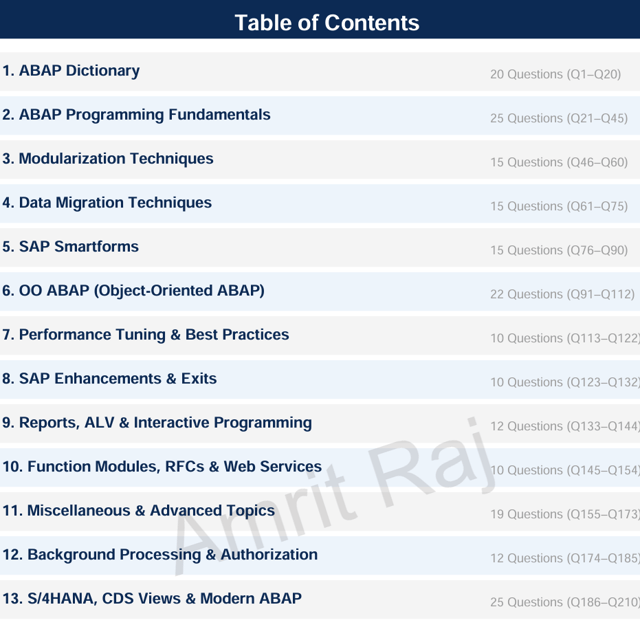
Top 200+ Interview Questions and Answers for ABAP

SAP Ui5 & Fiori on VS-Code and BAS with OData

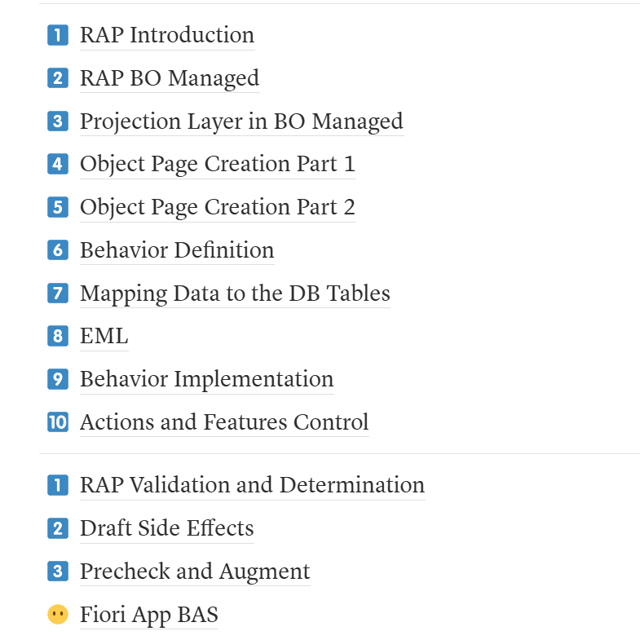
ABAP on HANA Package EBooks
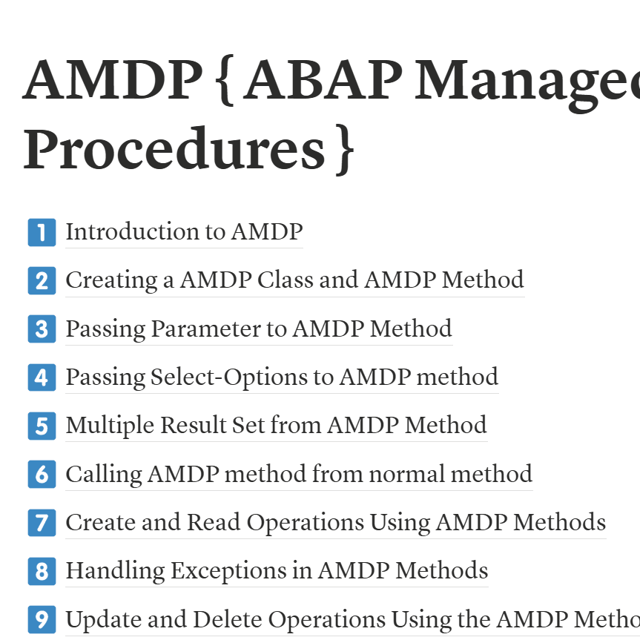
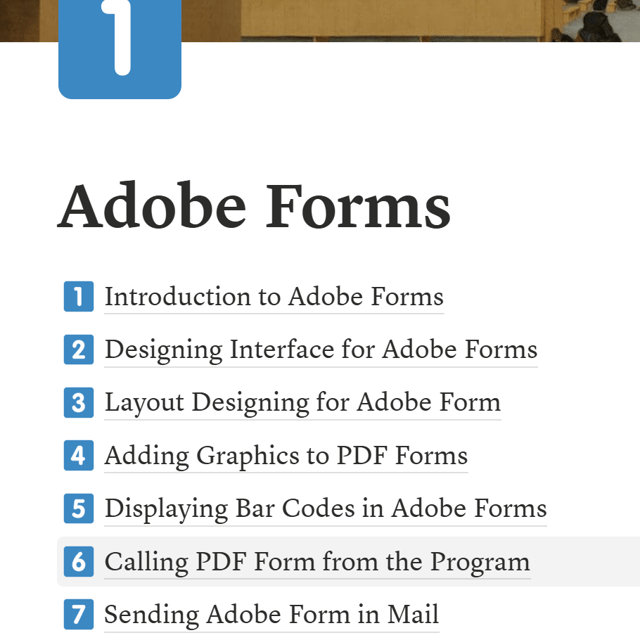
Complete ABAP Programming EBook
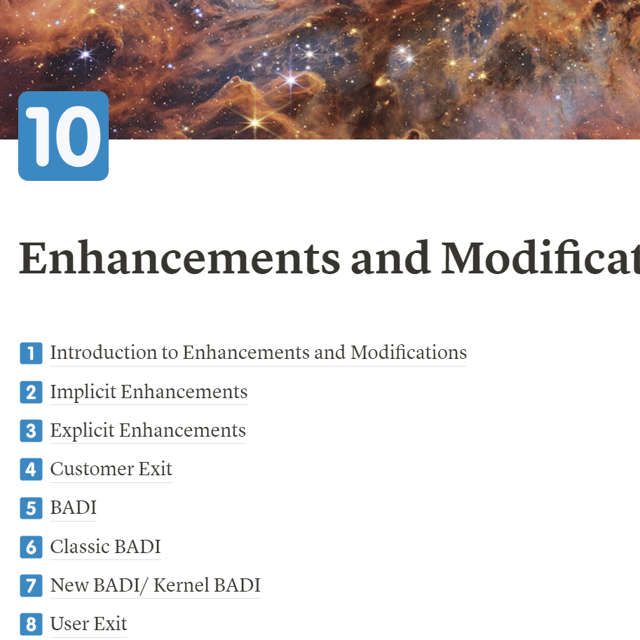
SAP Enhancements & Modifications
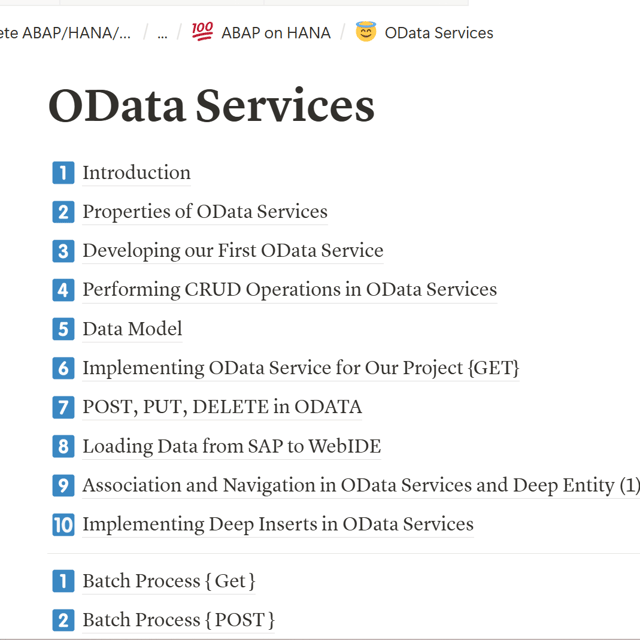
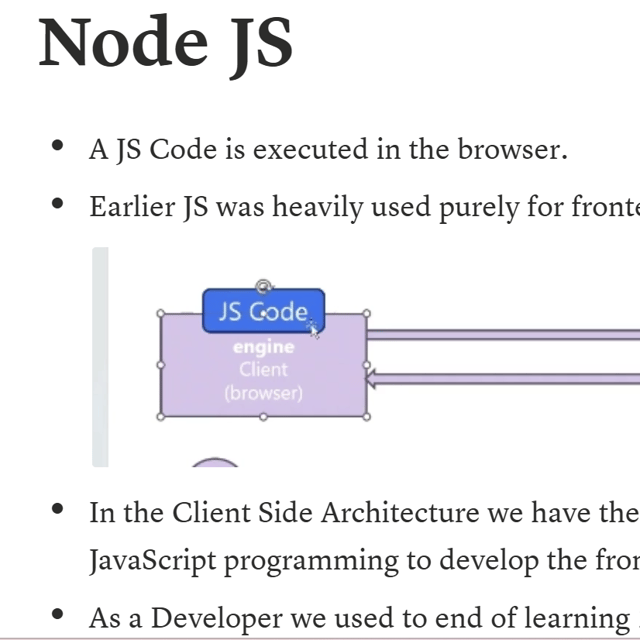
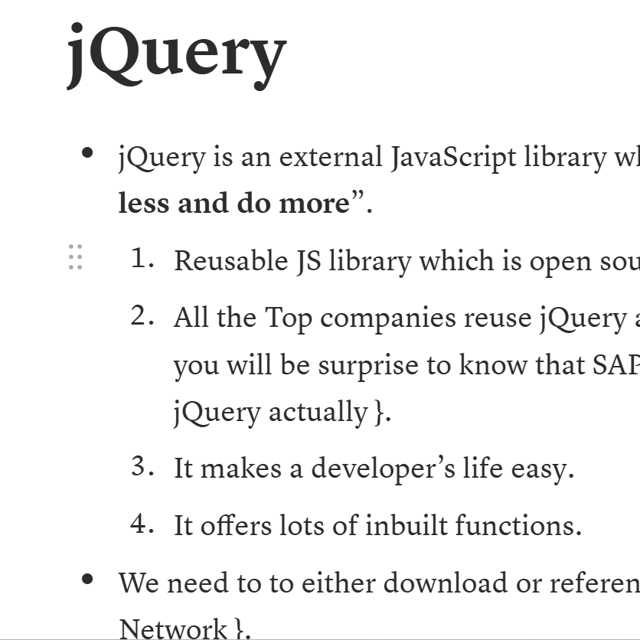
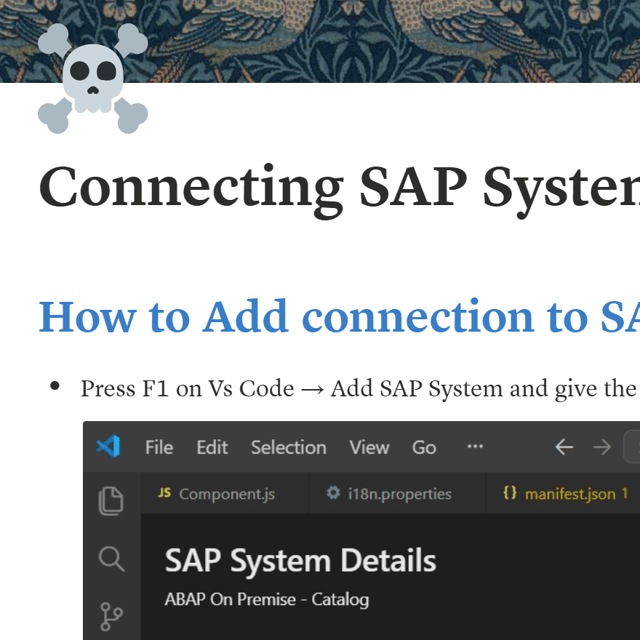
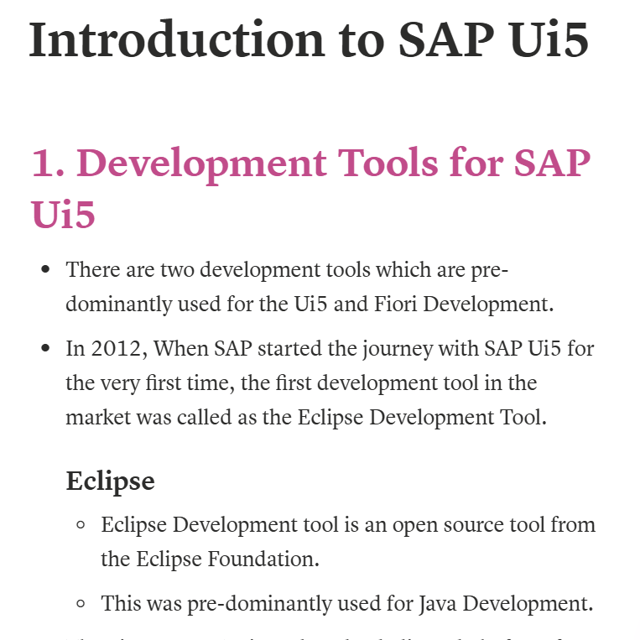
Development Tools for SAP Ui5 and HTML5
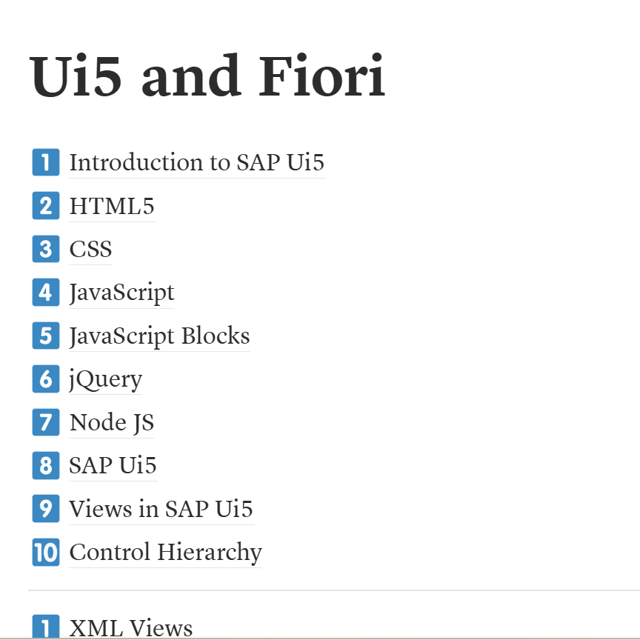
SAP Ui5 & Fiori Complete EBook for Interview
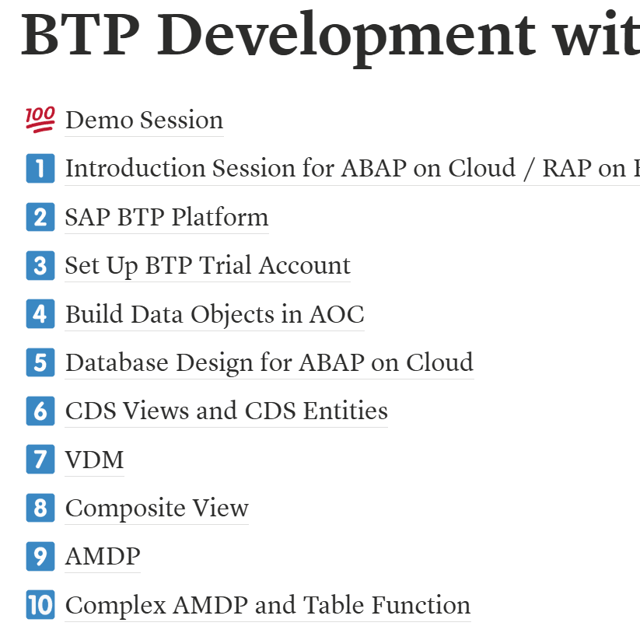
Complete BTP RAP Development End to End EBook
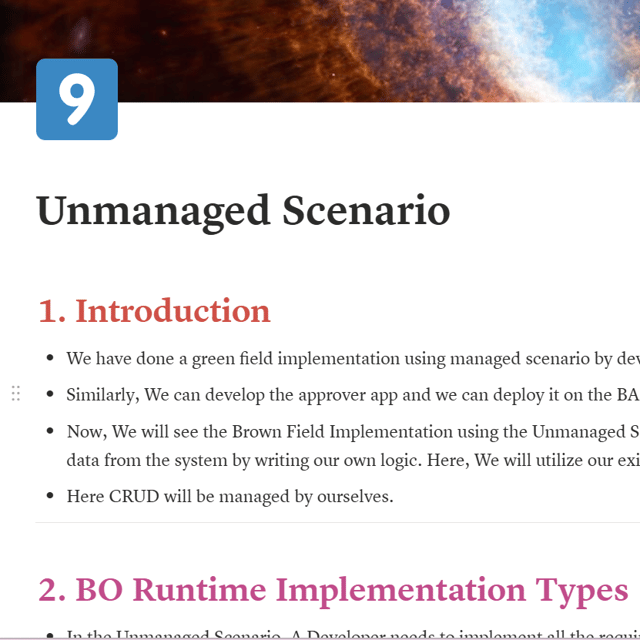
ABAP Programming Package EBooks
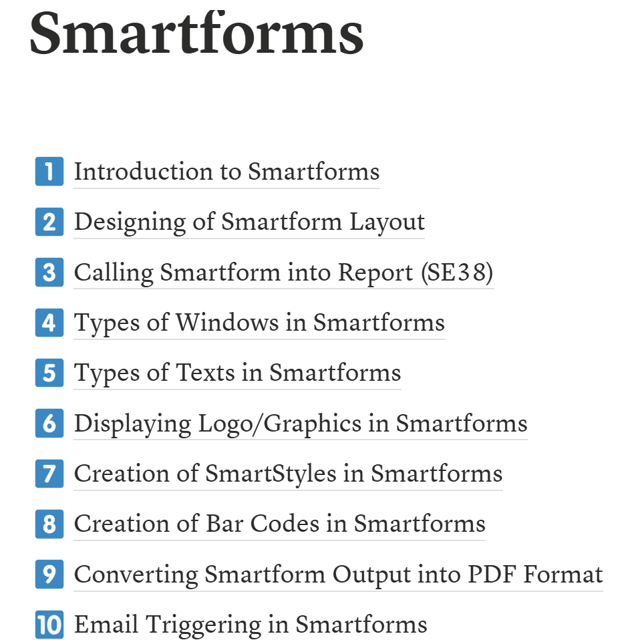
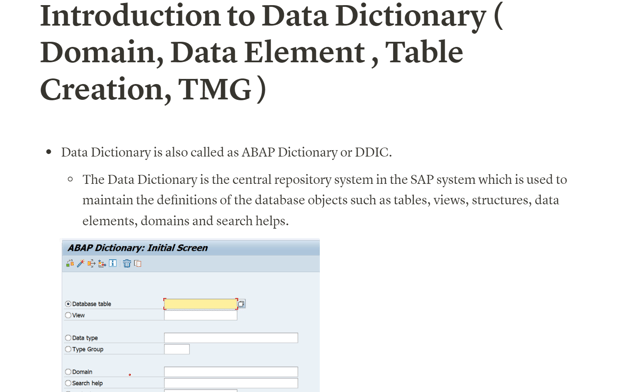
Complete Data Dictionary Ebook in SAP ABAP
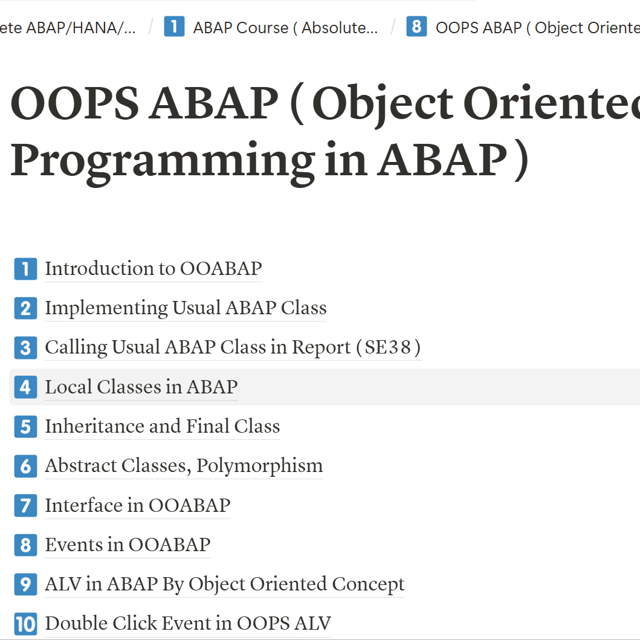
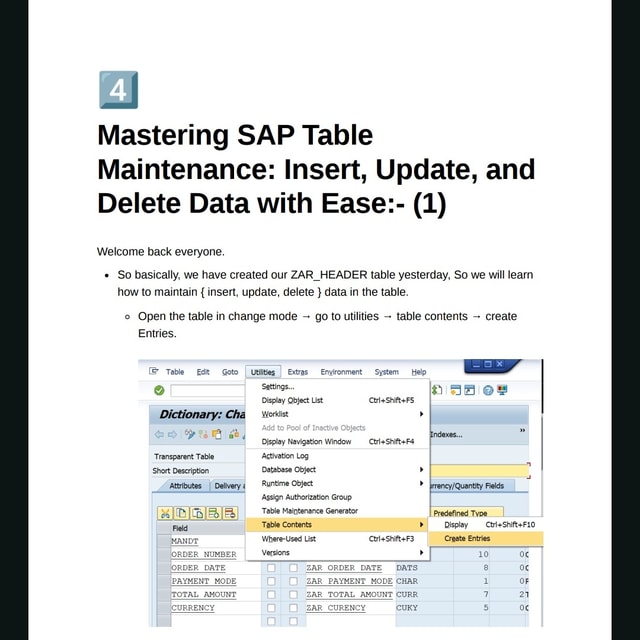
Complete Data Dictionary(DDIC) Comprehensive Notes
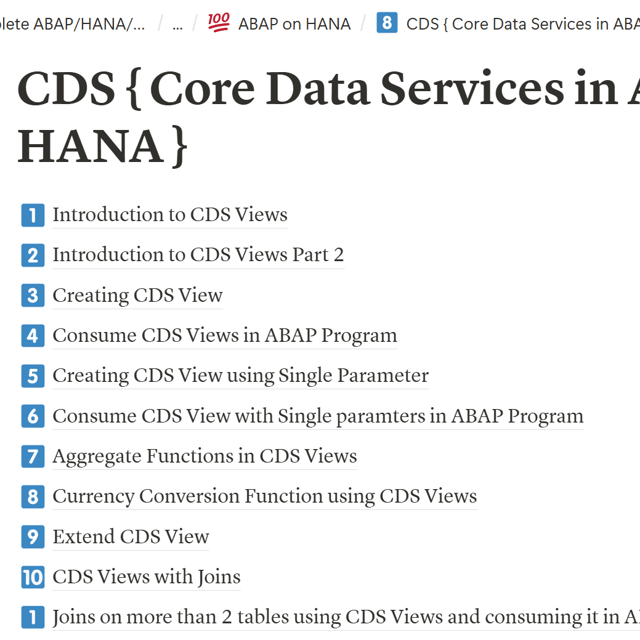
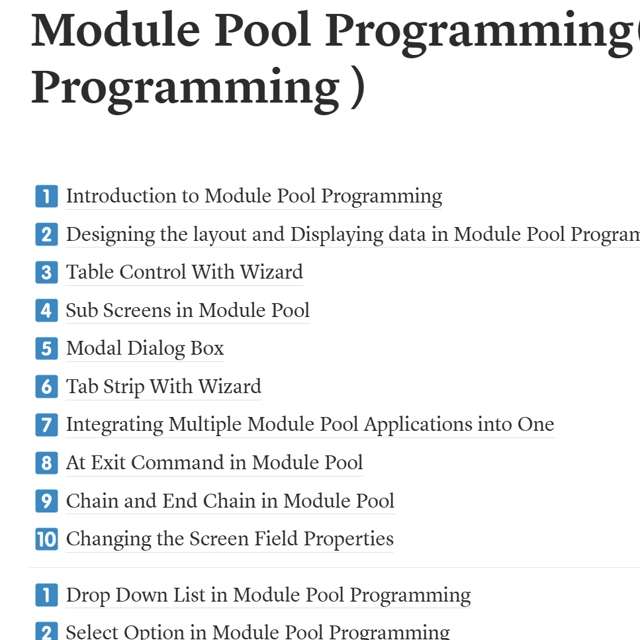
SAP ABAP Learning from Scratch Self Paced Course
ABAP on Cloud with RESTful Programming on BTP
About me
Frequently asked questions
How to learn SAP ABAP as a complete beginner?
Start with a clear roadmap: understand what ABAP does inside an SAP system, then master the Data Dictionary, internal tables, modularization, reports, and debugging before moving to Object-Oriented ABAP, enhancements, and finally CDS views and ABAP on HANA concepts. Practice on a real system — an SAP BTP trial account with the ABAP environment, or Eclipse with ADT — because hands-on work is what makes concepts stick. A structured self-paced SAP ABAP course with videos and notes, combined with 1–2 hours of daily practice for three to four months, is usually enough to reach a job-ready level for fresher roles.
What is the SAP ABAP full form?
The SAP ABAP full form is Advanced Business Application Programming. It is SAP's own high-level programming language used to build reports, interfaces, forms, enhancements, and custom business logic on SAP systems such as ECC and S/4HANA. Since ABAP powers almost every custom development in SAP landscapes, it remains one of the most in-demand skills for SAP technical careers.
What is an SAP ABAP developer and what does the role involve?
An SAP ABAP developer is the technical expert who builds and maintains custom code on SAP systems. The role involves writing reports and ALVs, developing interfaces and OData services, creating CDS views, enhancing standard SAP functionality, fixing production defects, and optimizing performance. On S/4HANA projects, the role now extends to ABAP on HANA skills such as code pushdown, AMDP, and RAP-based development for Fiori apps, so strong SQL and data-modelling abilities matter as much as classic ABAP syntax.
Which SAP ABAP course should a beginner start with?
Choose a SAP ABAP course that teaches topics in a logical sequence — Data Dictionary, ABAP syntax, internal tables, modularization, debugging, Object-Oriented ABAP, file interfaces, and enhancements — and includes practice exercises, downloadable notes, and interview preparation. Self-paced courses with recorded videos suit students and working professionals who need flexibility, while live batches suit learners who prefer fixed schedules and doubt-clearing sessions. Make sure the syllabus also covers CDS views and ABAP on HANA topics, because most S/4HANA openings in India expect them.
How can freshers get SAP ABAP jobs in Pune and other Indian IT hubs?
Pune (Hinjewadi, Kharadi, Magarpatta) is one of India's biggest SAP hiring hubs, with IT services majors and global capability centres hiring ABAP talent throughout the year. Most SAP ABAP jobs for freshers come through mass recruiters such as TCS, Infosys, Wipro, Accenture, Capgemini, and Deloitte, along with off-campus drives and referrals. Strengthen your chances with solid ABAP fundamentals, a few demo projects built on a trial system, well-prepared interview answers, and an active LinkedIn network with SAP mentors and recruiters.
Which SAP ABAP interview questions are asked most frequently?
The most frequently asked SAP ABAP interview questions cover internal table types and operations, JOIN vs FOR ALL ENTRIES, modularization techniques, control break statements, ALV reports, BDC, SmartForms and Adobe Forms, BAPIs, user exits, BADIs, and debugging scenarios. For S/4HANA openings, expect questions on CDS views, OData services, performance tuning and code pushdown, new ABAP syntax, and RAP. Interviewers in India often make candidates write short logic live, so practice coding rather than only reading theory.
How to concatenate in SAP ABAP?
You can concatenate in SAP ABAP using three main methods: the CONCATENATE statement (CONCATENATE lv_first lv_second INTO lv_full SEPARATED BY space), the && operator (lv_full = lv_first && lv_second), and string templates such as |{ lv_first } { lv_second }|, which also support formatting options. Remember that CONCATENATE removes trailing spaces unless you add RESPECTING BLANKS — a detail that frequently appears in ABAP interviews and in real file-processing code.
What is SAP ABAP on HANA and how to learn ABAP on HANA?
SAP ABAP on HANA is the modern ABAP development approach where data-heavy logic is pushed down to the in-memory HANA database using CDS views, AMDP, and set-based SQL instead of processing large volumes in ABAP loops. To learn ABAP on HANA, first solidify core ABAP and SQL, then move to CDS view modelling, performance analysis tools like SQL Monitor and SAT, AMDP, and finally RAP for building transactional Fiori applications. Practising on a free SAP BTP trial account with the ABAP environment, using Eclipse with ADT as your IDE, is the most practical way to build these skills.
Which ABAP on HANA interview questions for experienced candidates are most common?
Common ABAP on HANA interview questions for experienced candidates focus on code pushdown and its benefits, CDS views vs AMDP, Open SQL vs native SQL, performance tuning case studies using ST05 and SQL Monitor, new syntax such as inline declarations, REDUCE, and FILTER, plus OData service design and RAP. Prepare specific project stories — for example, how you improved a slow report by replacing nested loops with set-based logic — because experienced rounds test real scenarios rather than textbook definitions.
Is an ABAP on HANA certification worth it?
An ABAP on HANA certification is worth it for freshers because it validates fundamentals and helps with shortlists, but for developers with project experience, hands-on proof — CDS views, RAP applications, performance work — carries more weight in interviews. SAP's official ABAP development certification and the ABAP RESTful Application Programming Model certification are the relevant options. The strongest profile combines a certification with self-built demo projects on a trial system so you can show working code, not just a badge.
How to learn SAP BTP from scratch?
Start by understanding what SAP BTP is — SAP's cloud platform for integration, extension, automation, and application development — and then create a free SAP BTP trial account to explore the cockpit, subaccounts, and services hands-on. A practical learning order is: BTP basics and navigation, then CAP (Cloud Application Programming) or ABAP RAP depending on your background, SAPUI5/Fiori for the front end, and Integration Suite for connectivity scenarios. Combine one structured learning resource — official learning journeys, YouTube tutorials, or a mentor-led self-paced course — with daily hands-on practice, because BTP skills are built in the console, not by watching videos alone.
What is SAP BTP used for?
SAP BTP is used for building and extending cloud applications, integrating SAP and non-SAP systems, automating workflows, managing and analysing data, and applying AI and GenAI scenarios on top of SAP landscapes. Typical real-world uses include extending S/4HANA without modifying the core (the clean-core strategy), building side-by-side applications with CAP or RAP, exposing and governing APIs, and hosting Fiori applications. For developers, this makes BTP skills like RAP, CAP, and Integration Suite some of the most future-proof in the SAP ecosystem.
What is the SAP BTP full form?
The SAP BTP full form is Business Technology Platform. It brings together database and data management, analytics, application development, integration, and AI capabilities in a single cloud offering, and it is the successor to the earlier SAP Cloud Platform (SCP) branding. When you see BTP in job postings or course titles, it refers to skills on this platform — CAP, RAP, SAPUI5 deployment, Integration Suite, and related services.
What is SAP BTP Integration Suite?
SAP BTP Integration Suite is SAP's cloud integration middleware — the successor to SAP PI/PO — used to connect SAP and third-party applications across cloud and on-premise landscapes. It includes Cloud Integration (iFlows for routing, mapping, and monitoring), API Management, event-based capabilities, and Trading Partner Management for B2B scenarios. Consultants moving from PI/PO find that their integration concepts transfer directly, and iFlow development is currently one of the most in-demand integration skills in the Indian market.
How to create an SAP BTP trial account and complete the SAP BTP cockpit login?
To create an SAP BTP trial account, sign up on SAP's BTP free trial page with your email (a personal email works — no company account is required), verify the email, choose a trial region, and wait for provisioning to complete. The SAP BTP cockpit login uses those same credentials: open the cockpit, sign in, and you will land on your global account, where you can create a subaccount and enable services such as the ABAP environment, CAP tooling, or Integration Suite for practice. Log in periodically, since trial accounts that stay inactive for long stretches can be deleted by SAP and may need to be rebuilt.